
Troubleshoot Your 1898 The Crown Cork Cap and Crown Soda Machine 1892 and ✓: What's Wrong?
A smoothly running carbonated drink filling machine is the backbone of any beverage production line. When this crucial piece of equipment experiences problems, it can lead to significant downtime, lost revenue, and even product spoilage. Understanding the common issues that can arise and how to troubleshoot them is essential for maintaining efficient operations and ensuring the consistent quality of your carbonated beverages.The most common problems with carbonated drink filling machines include inconsistent fill levels, excessive foaming, leaks, and issues with the carbonation process itself. Troubleshooting often involves checking pressure settings, inspecting seals and valves, verifying proper gas mixing, and ensuring the machine is clean and well-maintained. Addressing these issues promptly can minimize downtime and maintain product quality.
In this blog post, I'll guide you through common troubleshooting steps to help you diagnose and resolve problems with your carbonated drink filling machine. From understanding the basics of the filling process to identifying potential culprits behind those frustrating inconsistencies, we’ll cover everything you need to know to keep your production line flowing smoothly. Whether you’re a seasoned operator or new to the beverage industry, this guide will provide valuable insights and practical solutions.
Why is My Fill Level Inconsistent?
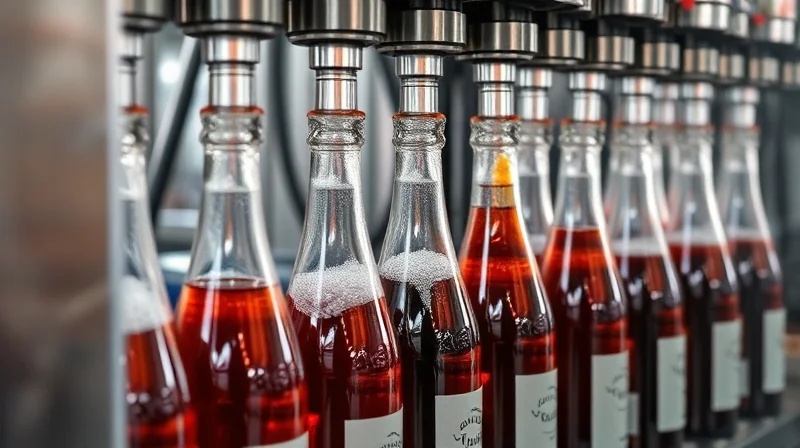
One of the most frequent headaches for carbonated beverage producers is inconsistent fill levels. This not only affects the visual appeal of your product but can also lead to legal compliance issues if the fill level falls below the declared volume. Pinpointing the cause of these inconsistencies is the first step towards a solution.Inconsistent fill levels in carbonated drink filling machines are often caused by variations in pressure, issues with the filling nozzles, or problems with the container handling system. Checking and adjusting pressure settings, cleaning or replacing nozzles, and ensuring proper synchronization of the filling process can help resolve these issues.
Here's a breakdown of potential causes and how to address them:
- Pressure Fluctuations: Carbonated beverage filling relies on precise pressure control. Variations in the pressure of the incoming liquid or the counter-pressure in the bottle can significantly impact fill levels. Use pressure gauges to monitor the pressure at various points in the system and adjust accordingly. Optimal Corrosion Control Treatment Evaluation Technical ... ✓
- Nozzle Issues: Clogged, damaged, or misaligned filling nozzles are a common culprit. Inspect each nozzle for blockages or wear. Clean the nozzles regularly and replace them if necessary. Ensure that the nozzles are properly aligned with the bottles to prevent spillage and uneven filling.
- Container Handling System Problems: If the containers are not properly positioned or if the conveyor belt speed is inconsistent, it can lead to fill level variations. Check the timing of the container handling system and make sure that the bottles are securely held during the filling process.
- Foaming: Excessive foaming during filling can displace liquid, leading to underfilling. This is often linked to high temperatures or insufficient counter-pressure.
Is Excessive Foaming Ruining My Product?
Excessive foaming during the filling process is a common problem that can lead to significant product waste, reduced filling efficiency, and inconsistent fill levels. Understanding the factors that contribute to foaming and implementing effective solutions is crucial for maintaining a smooth and profitable production line.Excessive foaming during carbonated drink filling can be caused by high temperatures, low counter-pressure, or agitation of the liquid. Cooling the beverage, increasing counter-pressure, and optimizing the filling process to minimize agitation can help reduce foaming.
Here's what might be causing the bubbles and how to tackle them:
- Temperature: The warmer the liquid, the more CO2 it releases, leading to increased foaming. Ensure that the beverage is chilled to the optimal temperature before filling. Consider using a pre-chiller to maintain a consistent temperature.
- Counter-Pressure: Counter-pressure helps to keep the CO2 dissolved in the liquid during filling. Insufficient counter-pressure allows the CO2 to escape rapidly, causing foaming. Increase the counter-pressure in the bottle before filling.
- Agitation: Excessive agitation during filling can also promote foaming. Minimize turbulence by using smooth, laminar flow filling nozzles and avoiding sudden changes in direction of the liquid flow.
- CO2 Purity: Impurities in the CO2 can act as nucleation sites, promoting bubble formation. Technical Guidance for Calculating Scope 3 Emissions ✓ Ensure that you are using high-quality, food-grade CO2.
- Dirty Equipment: Residue from cleaning agents or other contaminants can also increase foaming. Regularly clean and sanitize the filling machine and all associated equipment.
Why is My Machine Leaking?
Leaks in a carbonated drink filling machine are not only wasteful but can also pose a safety hazard and indicate underlying mechanical problems. Identifying the source of the leak and addressing it promptly is essential for preventing further damage and ensuring a safe working environment.Leaks in carbonated drink filling machines are frequently caused by worn seals, damaged hoses, or loose connections. Regularly inspecting and replacing seals, tightening connections, and repairing or replacing damaged hoses can prevent and resolve leaks.
Here's how to hunt down those pesky leaks:
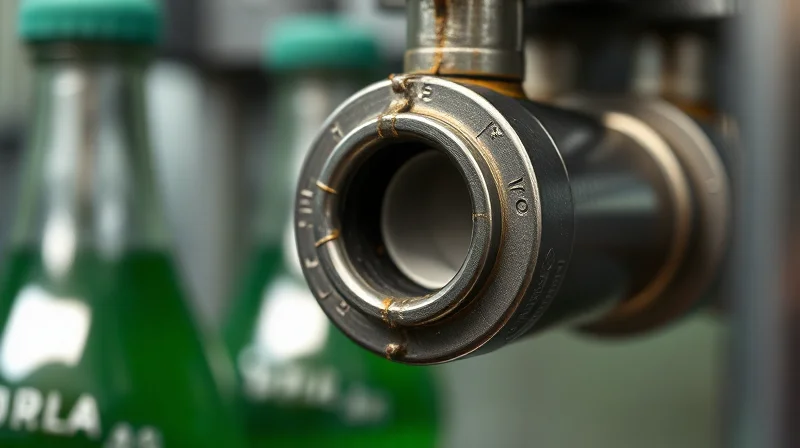
- Inspect Seals and Gaskets: These are often the first point of failure. Look for cracks, tears, or signs of wear. Replace any damaged seals or gaskets immediately. Make sure you are using the correct type of seal for the specific application.
- Check Hoses and Fittings: Hoses can become brittle and crack over time, while fittings can loosen due to vibration. Inspect all hoses for signs of wear and tear. Tighten any loose fittings and replace any damaged hoses.
- Examine Valves: Leaks can also occur in valves due to worn or damaged internal components. Disassemble and inspect the valves regularly. Replace any worn parts or the entire valve if necessary.
- Pressure Test: If you're having trouble locating the leak, you can perform a pressure test on the system. Pressurize the system and use a soapy water solution to identify the source of the leak.
Is the Carbonation Process Working Correctly?
Proper carbonation is essential for delivering the crisp, refreshing taste that consumers expect from carbonated beverages. Problems with the carbonation process can result in flat or inconsistently carbonated drinks, leading to customer dissatisfaction and product rejection. Understanding the factors that influence carbonation and troubleshooting potential issues is crucial for maintaining product quality.Issues with carbonation in carbonated drink filling machines can stem from problems with the CO2 supply, inadequate mixing, or incorrect temperature. Ensuring a consistent CO2 supply, optimizing mixing processes, and maintaining the correct temperature can improve carbonation.
Let's get to the bottom of your carbonation issues:
- CO2 Supply: Ensure that you have a sufficient supply of CO2 and that the pressure is adequate. Check the CO2 regulator and make sure it is functioning properly. Consider using a CO2 purity analyzer to verify the quality of the CO2.
- Mixing: Proper mixing is essential for dissolving the CO2 into the liquid. Check the mixer and make sure it is operating at the correct speed. Ensure that the mixer blades are clean and in good condition.
- Temperature: As mentioned earlier, temperature plays a critical role in carbonation. The colder the liquid, the more CO2 it can absorb. Maintain the beverage at the optimal temperature throughout the carbonation process.
- Saturation Time: Allow sufficient time for the CO2 to fully dissolve into the liquid. Experiment with different saturation times to find the optimal setting for your product.
- Equipment Calibration: Regularly calibrate the carbonation equipment to ensure accurate measurements and consistent results.
| Problem | Possible Causes | Troubleshooting Steps |
|---|---|---|
| Inconsistent Fill Levels | Pressure fluctuations, nozzle issues, container handling problems, foaming | Check pressure, clean/replace nozzles, adjust container handling, reduce foaming |
| Excessive Foaming | High temperature, low counter-pressure, agitation, CO2 purity, dirty equipment | Cool beverage, increase counter-pressure, minimize agitation, use pure CO2, clean equipment |
| Leaks | Worn seals, damaged hoses, loose connections, valve problems | Inspect/replace seals, tighten connections, replace hoses, check valves |
| Poor Carbonation | Insufficient CO2 supply, inadequate mixing, incorrect temperature, short saturation time | Check CO2 supply, optimize mixing, maintain correct temperature, increase saturation time |

Conclusion
Troubleshooting a carbonated drink filling machine can seem daunting, but by understanding the common issues and following a systematic approach, you can effectively diagnose and resolve problems. Remember to prioritize preventative maintenance, regularly inspect your equipment, and keep detailed records of your findings. By taking these steps, you can minimize downtime, maintain product quality, and ensure the smooth operation of your beverage production line. Don't hesitate to consult with qualified technicians or equipment manufacturers for assistance with complex issues.FAQ: Carbonated Drink Filling Machine Troubleshooting
How often should I perform preventative maintenance on my carbonated drink filling machine?
Preventative maintenance should be performed regularly, ideally on a weekly or monthly basis, depending on the machine's usage and the manufacturer's recommendations. This includes cleaning, lubrication, and inspection of critical components such as seals, hoses, and nozzles.
What tools do I need for basic troubleshooting?
Essential tools for basic troubleshooting include pressure gauges, wrenches, screwdrivers, cleaning brushes, lubricants, and a multimeter for electrical testing. It's also helpful to have a supply of spare seals, hoses, and fittings on hand.
How can I prevent foaming during filling?
To prevent foaming, ensure that the beverage is chilled to the optimal temperature, maintain adequate counter-pressure in the bottle, minimize agitation during filling, and use high-quality, food-grade CO2. Regular cleaning of the equipment is also crucial.
What should I do if I can't identify the source of a leak?
If you're unable to locate the leak, perform a pressure test on the system. Pressurize the system and apply a soapy water solution to potential leak points. The soapy water will bubble at the source of the leak. If the leak persists, consult with a qualified technician.



