
Carbonated Drink Filling Machine: Is It Right For You?
A carbonated drink filling machine is likely the right choice for your business if you are currently manually filling carbonated drinks, experiencing significant production bottlenecks, or aiming to scale your operations while maintaining consistent product quality and carbonation levels. The investment offers efficiency, precision, and ultimately, a more profitable and scalable business model.
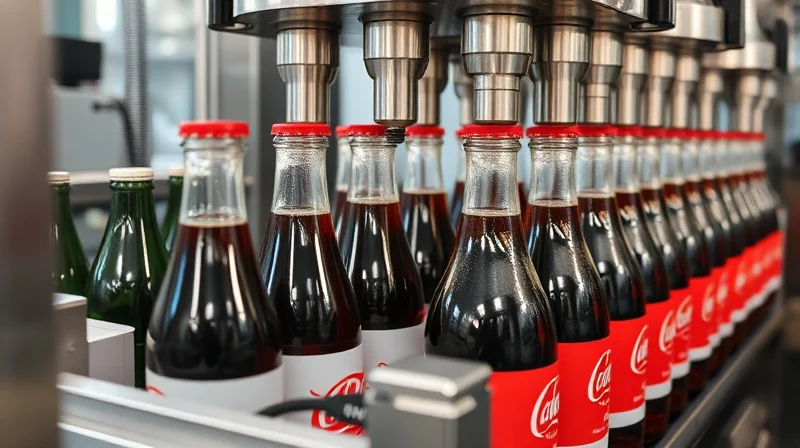
What Types of Carbonated Drink Filling Machines Are Available?
Understanding the different types of carbonated drink filling machines is the first step in making an informed decision. Each type has its own set of advantages and disadvantages, making it suitable for different production scales and types of beverages. Factors like the level of carbonation, the type of container (bottle or can), and the desired filling speed all play a role in determining the best machine for your needs.
There are several types of carbonated drink filling machines, including gravity fillers, pressure fillers, and counter-pressure fillers (also known as isobaric fillers). Counter-pressure fillers are generally preferred for highly carbonated beverages as they minimize CO2 loss.
Gravity Fillers
Gravity fillers are the simplest type of filling machine. They rely on gravity to transfer the liquid from a tank into the container. While they are relatively inexpensive, they are not ideal for carbonated beverages as they can lead to significant CO2 loss and inconsistent fill levels. This is because the pressure inside the bottle is lower than the pressure of the liquid, causing the CO2 to escape.Pressure Fillers
Pressure fillers use pressurized tanks to force the liquid into the containers. This method is better suited for carbonated beverages than gravity filling, as it helps to maintain some of the carbonation. However, it can still result in CO2 loss, especially with highly carbonated drinks. Greenhouse Gas Inventory Guidance Direct Fugitive Emissions from ... ✓.Counter-Pressure (Isobaric) Fillers
Counter-pressure fillers, also known as isobaric fillers, are the gold standard for filling carbonated beverages. They work by pressurizing the container to the same pressure as the liquid before filling. This ensures that there is no pressure difference between the liquid and the container, minimizing CO2 loss and maintaining the desired carbonation level. These machines are more complex and expensive than gravity or pressure fillers, but they offer superior performance for carbonated drinks. A detailed explanation of counter-pressure filling. The Isobaric filling process works by first sealing the bottle and then injecting CO2 to pressurize the bottle to match the pressure in the filling tank. Then the filling valve opens and the product flows into the bottle. Finally, the pressure is slowly released to prevent foaming.Choosing the Right Type
The best type of carbonated drink filling machine for your business depends on several factors:- Carbonation Level: Highly carbonated drinks require counter-pressure fillers.
- Production Volume: Higher volumes may justify the investment in a more automated and efficient machine.
- Budget: Gravity fillers are the cheapest, while counter-pressure fillers are the most expensive.
- Container Type: Some machines are better suited for bottles, while others are better for cans.
| Type of Filler | Cost | Carbonation Level | Production Speed | Pros | Cons |
|---|---|---|---|---|---|
| Gravity Filler | Low | Low | Slow | Inexpensive, Simple | High CO2 loss, Inconsistent fill levels |
| Pressure Filler | Medium | Medium | Medium | Better than gravity for carbonation | Still some CO2 loss |
| Counter-Pressure (Isobaric) Filler | High | High | Fast | Minimal CO2 loss, Consistent fill levels | Most expensive, Complex |
What Are the Key Features to Look For in a Carbonated Drink Filling Machine?
Beyond the basic type of filling machine, several key features can impact its performance and suitability for your specific needs. These features include the filling speed, the accuracy of the fill levels, the ease of cleaning and maintenance, and the level of automation. Consider these aspects carefully when evaluating different machines.
Key features to look for include filling speed (bottles per minute), fill accuracy (consistent volume), ease of cleaning (CIP compatibility), and level of automation (manual, semi-automatic, or fully automatic).
Filling Speed
The filling speed, typically measured in bottles or cans per minute (BPM/CPM), is a crucial factor for businesses with high production volumes. Faster machines can significantly increase output, but they also tend to be more expensive. Consider your current and projected production needs when evaluating filling speed.Fill Accuracy
Consistent fill levels are essential for product quality and customer satisfaction. Inaccurate filling can lead to overfilling (wasting product) or underfilling (dissatisfying customers). Look for machines with precise filling mechanisms and adjustable fill levels.Ease of Cleaning and Maintenance
Hygiene is paramount in the food and beverage industry. Carbonated drink filling machines should be easy to clean and sanitize to prevent contamination. Look for machines with smooth surfaces, minimal crevices, and Clean-In-Place (CIP) compatibility Sanitation Standard Operating Procedures ✓. Regular maintenance is also essential to keep the machine running smoothly. Choose a machine with readily available spare parts and clear maintenance instructions.Level of Automation
Filling machines come in various levels of automation, from manual to fully automatic. Manual machines require significant operator involvement, while automatic machines can operate with minimal supervision. The level of automation you need depends on your budget, production volume, and labor costs. Automatic machines are a bigger investment but can significantly reduce labor costs and increase efficiency.Other Important Features
- Container Compatibility: Ensure the machine can handle the types of bottles or cans you use.
- CO2 Management: Look for features that minimize CO2 loss during filling.
- Safety Features: Safety features are crucial to protect operators from injury.
- Control System: A user-friendly control system makes it easier to operate and monitor the machine.
What Are the Benefits of Using a Carbonated Drink Filling Machine?
Investing in a carbonated drink filling machine offers numerous benefits, from increased production efficiency to improved product quality. Understanding these benefits can help you justify the investment and make a compelling case for upgrading your filling process.
Benefits include increased production speed and volume, improved fill accuracy and consistency, reduced CO2 loss, enhanced hygiene and sanitation, and lower labor costs due to automation.
Increased Production Speed and Volume
One of the most significant benefits of using a filling machine is the increased production speed and volume. Machines can fill bottles or cans much faster than manual filling, allowing you to meet growing demand and scale your business.Improved Fill Accuracy and Consistency
Filling machines ensure consistent fill levels, which is crucial for product quality and customer satisfaction. Consistent fill levels also help you comply with labeling regulations Food Labeling Guide (pdf) ✓.Reduced CO2 Loss
Counter-pressure fillers minimize CO2 loss, ensuring that your beverages retain their desired carbonation level. This results in a better-tasting product and reduces the need for over-carbonation.Enhanced Hygiene and Sanitation
Modern filling machines are designed for easy cleaning and sanitation, reducing the risk of contamination and ensuring product safety. This is particularly important for businesses that are subject to strict food safety regulations.Lower Labor Costs
Automated filling machines require less operator involvement, reducing labor costs and freeing up employees to focus on other tasks. This can significantly improve your bottom line, especially for businesses with high labor costs.Scalability
A carbonated drink filling machine provides a scalable solution for your business. As your production needs grow, you can easily increase your output by adding more machines or upgrading to a faster model.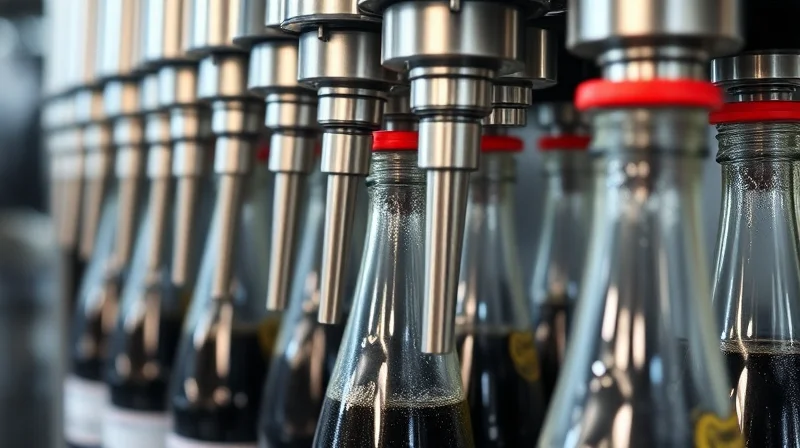
What Are the Potential Drawbacks and Considerations?
While the benefits of using a carbonated drink filling machine are significant, it's important to be aware of the potential drawbacks and considerations. These include the initial investment cost, the space requirements, the maintenance requirements, and the need for trained operators. Weighing these factors carefully will help you determine if a filling machine is the right choice for your business.
Potential drawbacks include the initial investment cost, the space required for the machine, the ongoing maintenance needs, the requirement for trained operators, and the potential for downtime if the machine malfunctions.
Initial Investment Cost
The initial investment cost of a filling machine can be significant, especially for counter-pressure fillers. However, it's important to consider the long-term return on investment (ROI), including increased production volume, reduced labor costs, and improved product quality.Space Requirements
Filling machines can be quite large, especially automated models. Make sure you have enough space in your facility to accommodate the machine and allow for easy access for maintenance and cleaning.Maintenance Requirements
All filling machines require regular maintenance to keep them running smoothly. This includes cleaning, lubrication, and replacement of worn parts. Factor in the cost of maintenance and the potential for downtime when evaluating different machines.Need for Trained Operators
Operating a filling machine requires trained personnel who understand the machine's operation and maintenance procedures. Provide adequate training to your employees to ensure safe and efficient operation.Potential for Downtime
Like any piece of machinery, filling machines can break down, resulting in downtime and lost production. Choose a machine from a reputable manufacturer with a good track record for reliability and readily available spare parts.
Conclusion
Choosing the right carbonated drink filling machine is a critical decision for any business involved in producing carbonated beverages. By understanding the different types of machines available, the key features to look for, and the potential benefits and drawbacks, you can make an informed decision that will help you increase production efficiency, improve product quality, and scale your business. Consider your specific needs, budget, and production volume when evaluating different machines, and don't hesitate to seek expert advice to ensure you choose the best machine for your needs. Remember to consider Water Treatment Systems and Labeling Machines as part of your complete beverage production line. For further information, consider checking Beverage Industry Magazine for industry trends.FAQ
What is the difference between a pressure filler and a counter-pressure filler?
A pressure filler uses pressurized tanks to force liquid into containers, while a counter-pressure filler pressurizes the container to the same pressure as the liquid before filling, minimizing CO2 loss. Counter-pressure fillers are better for highly carbonated drinks.
How much does a carbonated drink filling machine cost?
The cost varies widely depending on the type of machine, its features, and its capacity. Gravity fillers are the least expensive, while counter-pressure fillers are the most expensive. Prices can range from a few thousand dollars for a manual machine to hundreds of thousands of dollars for a fully automated system.
What maintenance is required for a carbonated drink filling machine?
Regular maintenance includes cleaning, lubrication, and replacement of worn parts. Some machines are CIP compatible, which simplifies the cleaning process. Follow the manufacturer's recommendations for maintenance procedures and schedules. Industrial Cleaning Solutions might be useful.
Can I fill both bottles and cans with the same machine?
Some machines are designed to handle both bottles and cans, while others are specific to one type of container. Check the machine's specifications to ensure it is compatible with the containers you use.



