Beverage water treatment systems

UF Mineral Water Purification System

Engineer a UF water purification system for mineral-water projects that need turbidity control, suspended-solids reduction, hollow-fiber membrane filtration, and stable filler-feed quality without automatically stripping the dissolved-mineral profile.

Stable bottle handlingStable bottle handling
Quick changeoverQuick changeover

Get a Quote

Since 1995 · CE & ISO 9001 · 150+ countries

Built for beverage packaging project teams

Water report reviewRFQ-defined utilitiesUF processPermeate target basisFAT sample checks
CE documentation prepared by scopeQuality files available with the project file setBottle transfer stabilityPressure-sensitive water-treatment stock
Total cost of ownership

Stabilize mineral-water feed quality before filling starts.

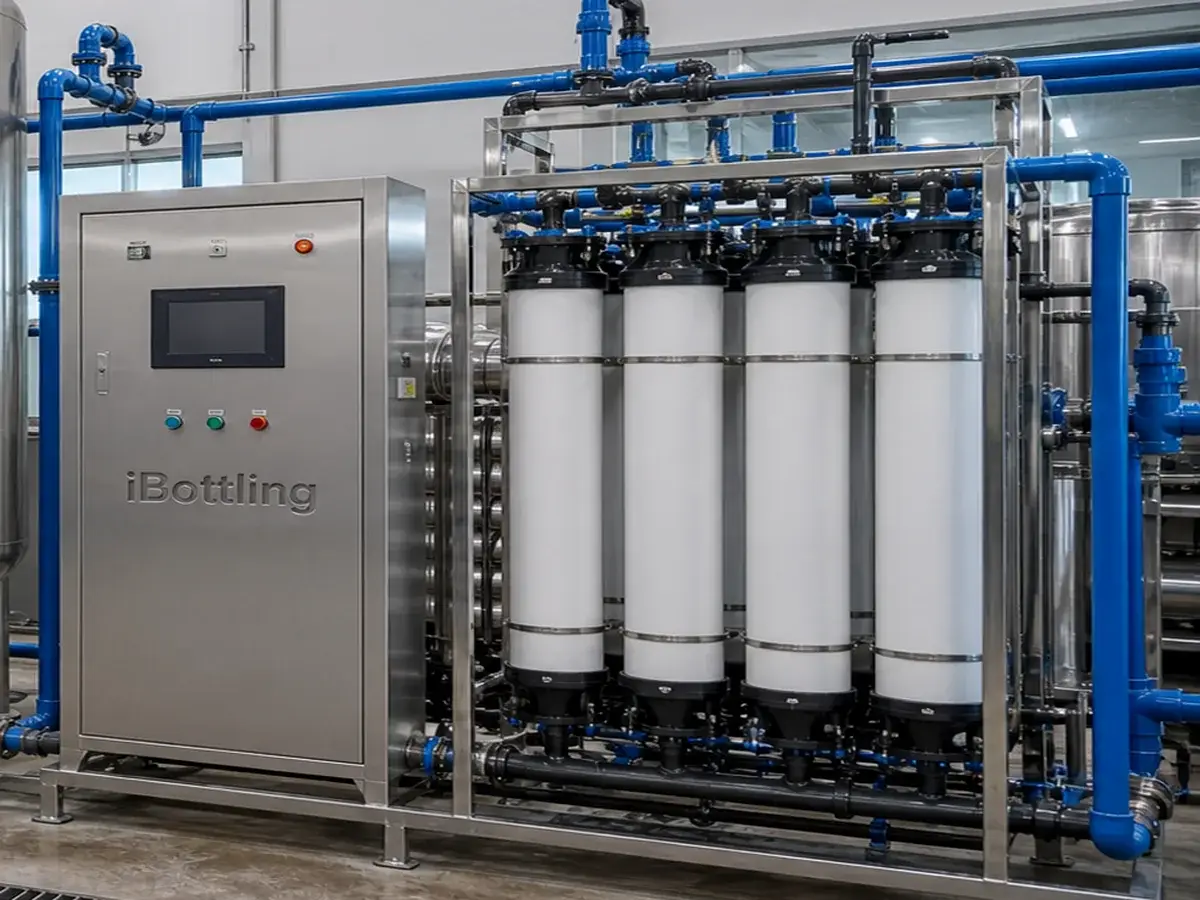
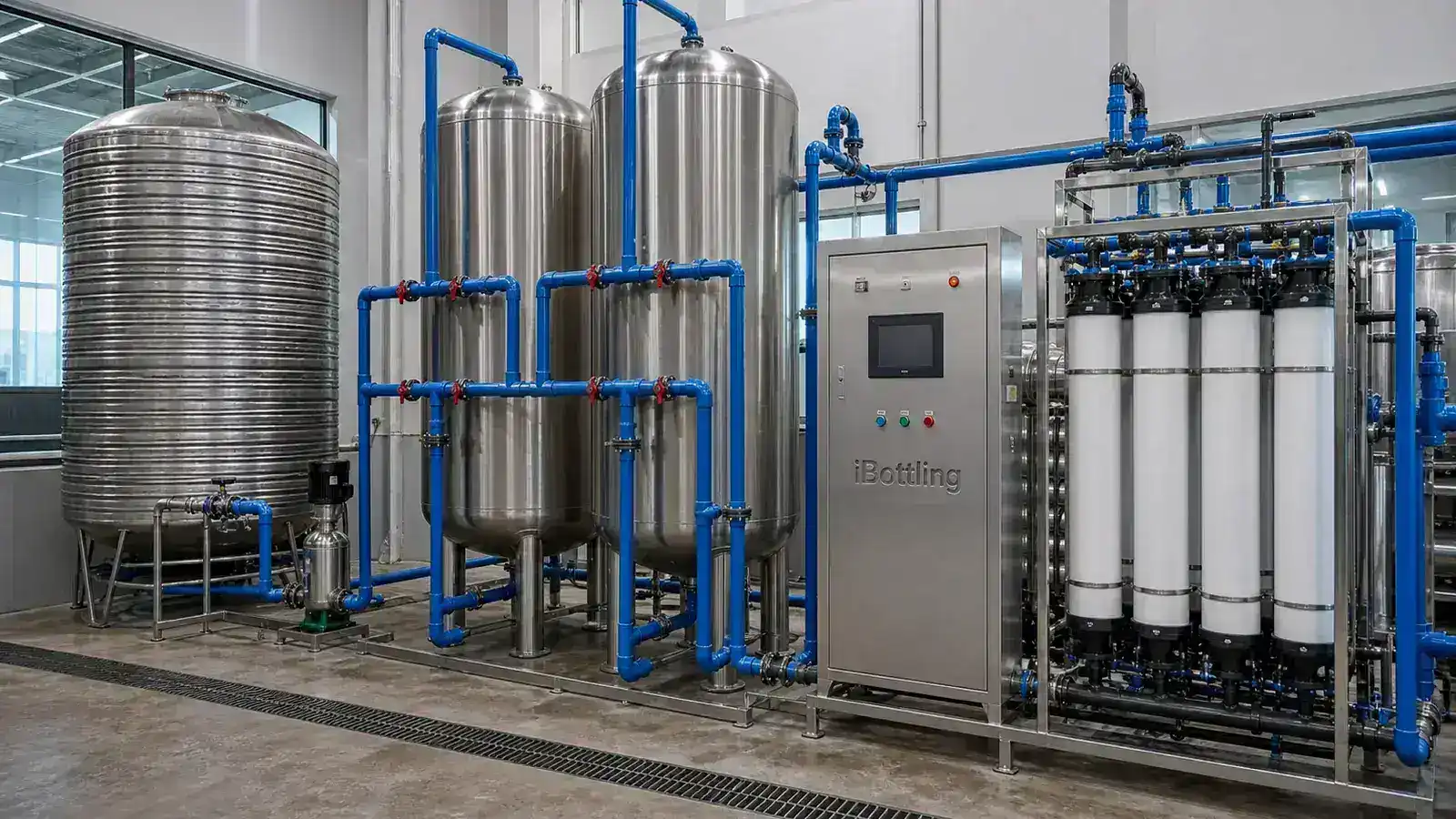
A UF mineral-water room is selected from the water report, turbidity variation, pretreatment load, UF membrane train, backwash route, storage volume, and downstream filler demand. A domestic 100 m³/h UF reference confirms the process sequence: source-water pump, quartz sand filter, activated carbon filter, PP security filter, UF main machine, automatic flushing/back-flushing, and pressure/level protection. Final capacity, membrane count, recovery, pump model, footprint, and utility load remain RFQ-defined. For complete-line context, compare the water-room scope with Water Bottling Solutions .


RFQ-definedoutput
Nominal RFQ-defined configuration; final accepted capacity depends on water temperature, raw-water report, membrane selection, and recovery target.
Projectdependent
Permeate target, recovery, and salt rejection remain RFQ-defined until water analysis and FAT sampling basis are agreed.
UF Mineral Water Purification System rated output equipment

UF mineral-water system — sized from water report to filler demand

Nominal configuration
RFQ-defined / 2 TPH UF basis
Process modules
Pretreatment, security filter, UF membrane skid, backwash interface
Water-quality basis
Raw-water report and target filtrate quality review
Quotation basis
RFQ-defined utilities, footprint, recovery, controls, and acceptance tests
Water Report Review
RFQ Utility Basis

Global Project Support

FAT Sample Checklist

Built around the water report.

This UF mineral-water page is for plants that want turbidity and suspended-solids control while preserving the mineral profile. The configuration starts from water analysis, pretreatment load, backwash route, storage volume, and the filler’s hourly draw pattern.

Pretreatment path clarity

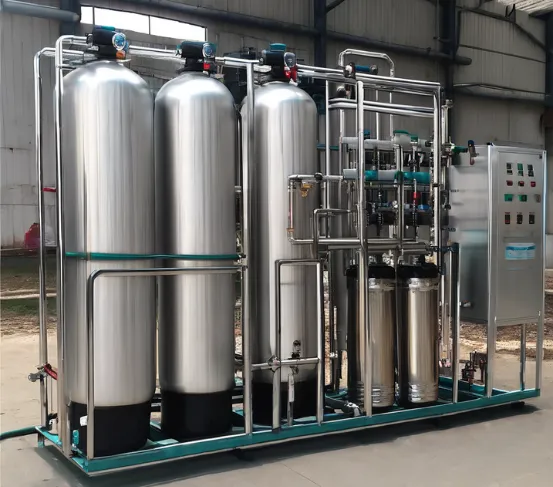
Sand or multimedia filtration and activated carbon protect the UF membrane train from suspended solids, organics, and chlorine risk.

UF duty discipline

Pressure, flux, recovery, and filtrate target are reviewed from raw-water data, not copied from a catalogue.

Plant-room access

Storage, drains, power, control cabinet, and service clearance are reviewed before quotation release.

Application Control Points.

Capacity basis

Nominal output is confirmed against water temperature, raw-water report, recovery target, and membrane selection.

Utility basis

Power, pressure, footprint, control package, filtrate quality, and storage interface remain RFQ-defined.

Service basis

Backwash access, cartridge replacement, and membrane cleaning route are checked before layout release.

The Core: Condition. Protect. Pressurize. Separate. Store. Feed.

The sourced UF process chain runs from source water pump through quartz sand filter, activated carbon filter, PP sediment/security filter, UF main machine, automatic flushing/back-flushing, storage, and filler handoff. The page keeps membrane count, output, recovery, and water-quality guarantee RFQ-defined. The treated-water outlet should be coordinated with the PET Bottle Water Filling Machine so rinser demand and filler speed do not outrun the storage buffer.
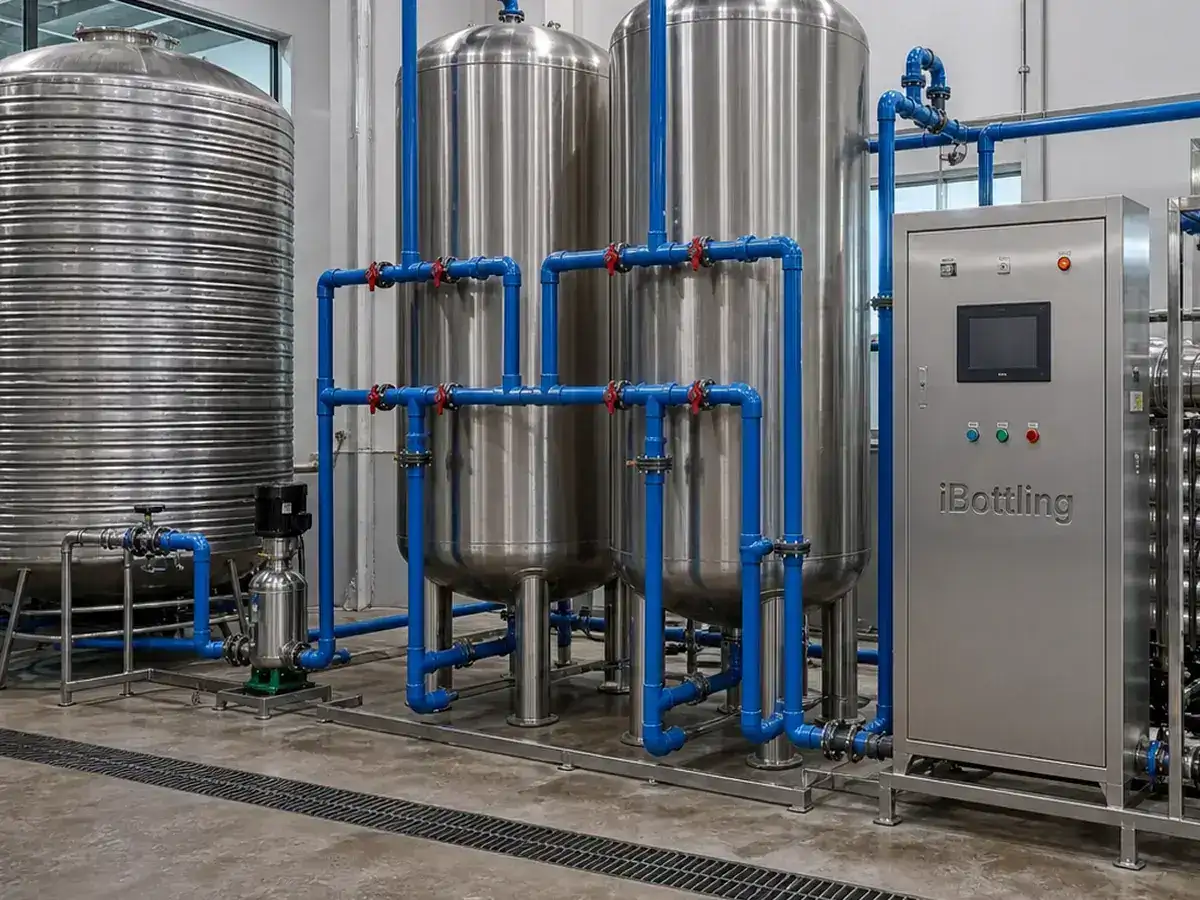
incoming feed stage for UF water treatment showing raw water entry pretreatment and security filtration

Pretreatment feed

  • Raw-water data defines whether quartz sand, multimedia, activated carbon, softening, or additional protection is required.
  • The pretreatment path reduces suspended solids, chlorine risk, odor, and particulate load before the security filter.
  • A 5 μm security filter protects the high-pressure pump and membrane vessels from fine particles that can shorten service life.
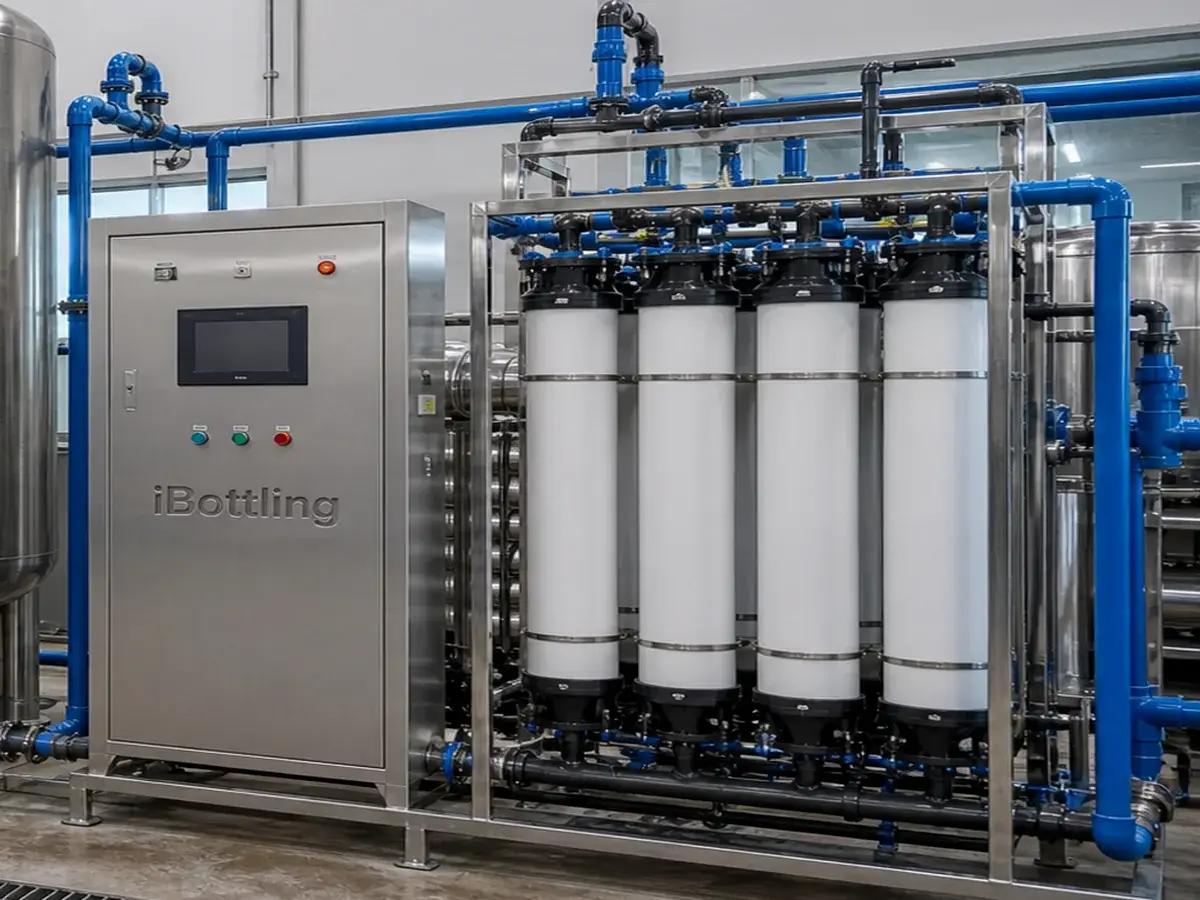
core action stage of UF mineral-water UF water treatment with high-pressure pump and membrane separation

UF membrane barrier

  • The high-pressure pump raises feed pressure into the UF operating window selected during RFQ.
  • UF membrane modules filter suspended solids, colloids, and turbidity risk; membrane count, flux, backwash cycle, and microbiological guarantee remain RFQ-defined.
  • Conductivity, pressure, and flow checks give operators a basis for startup, flushing, cleaning, and service decisions.
exit handoff stage for RFQ-defined UF water purification showing treated filtrate routed to storage or filling

Permeate integration

  • Permeate can feed a storage tank, rinsing demand, ingredient-water point, or PET water filler after line demand is confirmed.
  • Utilities, drains, room footprint, and operator access are reviewed on the layout before the project file is released.
  • Acceptance records should tie water report, target quality, operating settings, and downstream demand to the same quotation file.

RFQ Configuration Inputs.

Specification basis before quotation

Raw-water report · target filtrate quality · RFQ-defined utilities · FAT sampling checklist

Compliance & Project File Scope

  • ConformityDocuments prepared only for the quoted electrical, safety, and water-treatment scope
  • Water basisRaw-water report, target filtrate quality, and sampling method remain part of the project file
  • Machine safetyGuards, emergency stop access, electrical cabinet, and service routes reviewed to site standard
  • Plant environmentRoom drainage, ventilation, chemical handling, and maintenance access confirmed before release

The quoted UF mineral-water UF file set ties water-report assumptions, RFQ-defined utilities, filtrate target, FAT sampling, and operator handover notes to the exact configuration reviewed for the buyer.

RFQ-defined components and serviceable modules

UF mineral-water projects depend on source-water discipline, so the quotation names the pretreatment package, pump duty, membrane train, instruments, service access, and acceptance records that protect filtrate quality for the downstream line.

  • Control platform — PLC, relay, HMI, or instrument package selected to match site maintenance capability and voltage policy.

  • Pumps and wetted parts — model, material, seal basis, and installed power remain RFQ-defined until duty point is fixed.

  • Pretreatment vessels — media, valve package, and backwash routine are selected from the raw-water report and room layout.

  • UF membrane train — membrane model, vessel count, recovery, and cleaning provisions are locked only in the quotation file.

ItemSpecification
ItemUF mineral-water UF candidate
Model seriesRFQ-defined / RFQ-defined nominal UF
Process trainPretreatment + 5 μm security + high-pressure pump + RO
Feed-water rangeCity water or treated inlet candidate
Permeate targetBeverage process water candidate
Recovery / reject
Membrane package
Controls / instruments
Footprint / utilitiesCompact skid planning

Plant Integration & Layouts.

The UF layout starts with raw-water entry, sand/carbon pretreatment, security-filter access, UF skid service clearance, backwash discharge, mineral-water buffer storage, and a controlled route to the filler. A domestic 100 m³/h reference uses source-water pump, quartz sand filter, activated carbon filter, 5 μm PP sediment filtration, UF main machine, and automatic flushing/back-flushing logic; this page keeps all project output values RFQ-defined.
DWG REF: ADH-water-treatment-PLANT-01
5 gallon filling line equipment layout reference with monoblock and process flow arrangement
water-treatment waste & uptime

Protect membrane life, water balance, and downstream filling stability.

Liner and water-treatment waste

Pretreatment loading, recovery target, backwash routing, and flushing practices are reviewed together so the UF skid supports line stability without unsupported claims about microbiological guarantees or utility savings. Backwash and storage decisions also affect downstream packaging rhythm, so finished-water stability should be checked before selecting Shrink Sleeve Labeling Machine or other high-speed packaging modules.

Reel-change uptime

Roll access, web-path visibility, and saved recipes shorten recovery after water-treatment-roll change or bottle-family changeover.

Application zone in context.

For a UF mineral-water project, the quotation must prove the water path: source-water report, pretreatment media, 5 μm security-filter basis where used, UF membrane train, backwash/CIP access, pressure protection, storage volume, and filler-feed handoff.
Acceptance proof basis — Acceptance proof basis — raw-water report, filtrate sample, operating log, FAT checklist, and line-integration handover for UF mineral-water UF
Exported to 150+ Countries24/7 Rapid Response SupportTurnkey Engineering Services

Get a Quote for This Machine

Since 1995 · CE & ISO 9001 · 150+ countries

FAQ — UF mineral-water UF water treatment essentials

What raw-water data is needed before sizing a RFQ-defined UF system?
Share conductivity or TDS, turbidity, temperature, hardness or scaling risk, chlorine or oxidant condition, target filtrate quality, operating hours, and downstream storage or filling demand.
Is the RFQ-defined output guaranteed on every project?
No. The RFQ-defined water-treatment is used as the nominal configuration basis. Accepted output is RFQ-defined after the raw-water report, water temperature, membrane selection, recovery target, pretreatment scope, and FAT acceptance basis are reviewed.
What does a UF process normally include?
A typical configuration uses raw-water feed, booster pumping, quartz sand or multimedia filtration, activated carbon filtration, 5 μm security filtration, a high-pressure pump, UF membrane separation, and filtrate storage or line integration.
Can this system feed a PET bottled-water line?
Yes, when the filtrate flow, storage volume, rinsing demand, filler capacity, and utility envelope are checked together. Final integration details remain project-dependent.
Which parameters stay RFQ-defined?
Membrane quantity, pump model, installed power, operating pressure, recovery, desalination, product-water conductivity, footprint, controls, CIP, ozone or UV, and certification scope all remain RFQ-defined until quotation.