Carbonated Drink Filling Machine: Top 5 Tips for Optimal Performance?
Running a beverage production line can be a complex and demanding operation. When it comes to carbonated drinks, the filling machine is the heart of your process. A well-maintained and properly operated filling machine is essential for ensuring consistent product quality, minimizing downtime, and maximizing your overall efficiency. Neglecting this crucial piece of equipment can lead to costly repairs, production delays, and even product spoilage. Therefore, understanding how to optimize its performance is paramount to your success.The top 5 tips for optimizing the performance of your carbonated drink filling machine include: 1) Implementing a rigorous preventative maintenance schedule; 2) Ensuring proper cleaning and sanitation procedures are followed; 3) Regularly calibrating and adjusting the filling heads; 4) Training your operators on best practices and troubleshooting; and 5) Monitoring key performance indicators (KPIs) to identify potential issues early.
In this post, I'll share my top 5 tips for ensuring your carbonated drink filling machine operates at peak performance. These tips are based on years of experience working with beverage producers and will help you avoid common pitfalls, reduce downtime, and improve the overall efficiency of your production line. Let’s dive in and explore these crucial aspects of machine maintenance and operation.
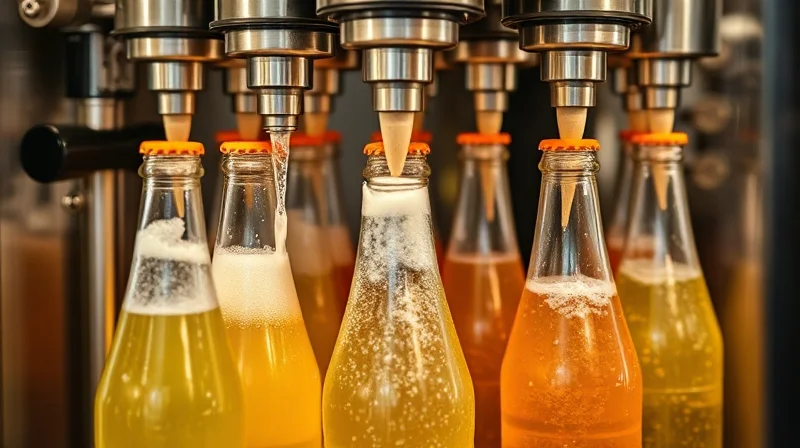
Why is Preventative Maintenance So Important for Carbonated Drink Filling Machines?
Think of your carbonated drink filling machine as a finely tuned race car. Just like a race car needs regular maintenance to perform optimally, your filling machine requires a proactive maintenance schedule to prevent breakdowns and ensure consistent performance. Ignoring preventative maintenance is like driving that race car without changing the oil – eventually, something will break down, and the repairs will be costly.Preventative maintenance is crucial for carbonated drink filling machines because it minimizes downtime, extends the machine's lifespan, and ensures consistent product quality. Regular inspections, lubrication, and parts replacement can prevent costly repairs and production delays.
Here's why preventative maintenance is so vital:
- Minimizes Downtime: Regular maintenance helps identify and address potential problems before they lead to breakdowns.
- Extends Machine Lifespan: Proper lubrication and timely parts replacement reduce wear and tear, extending the life of your investment.
- Ensures Consistent Product Quality: Well-maintained filling heads deliver accurate and consistent fills, ensuring your product meets quality standards.
- Reduces Repair Costs: Addressing small issues early can prevent them from escalating into major, expensive repairs.
- Daily Inspections: Check for leaks, loose connections, and any unusual noises.
- Regular Lubrication: Lubricate all moving parts according to the manufacturer's recommendations.
- Parts Replacement: Replace worn or damaged parts, such as seals, gaskets, and nozzles, on a regular basis. N 8900.410 - Clarification of Inspection and Overhaul Requirements ... ✓
- Calibration: Regularly calibrate the filling heads to ensure accurate fills.
How Do You Properly Clean and Sanitize a Carbonated Drink Filling Machine?
In the beverage industry, hygiene is paramount. A carbonated drink filling machine that isn't properly cleaned and sanitized can become a breeding ground for bacteria and other contaminants, potentially compromising the safety and quality of your product. Think of it this way: you wouldn't want to drink from a dirty glass, and neither would your customers.Proper cleaning and sanitation are essential for carbonated drink filling machines to prevent contamination, maintain product quality, and comply with food safety regulations. This involves using appropriate cleaning agents, following a strict cleaning schedule, and verifying the effectiveness of the sanitation process.
Here are some key steps for cleaning and sanitizing your filling machine:
- Use Approved Cleaning Agents: Only use cleaning agents that are specifically designed for use in food and beverage processing equipment. Allowed Detergents and Sanitizers for Food Contact Surfaces and ... ✓
- Follow a Strict Cleaning Schedule: Establish a regular cleaning schedule and stick to it. This should include daily, weekly, and monthly cleaning tasks.
- Disassemble and Clean Components: Disassemble the filling heads and other components for thorough cleaning.
- Rinse Thoroughly: Rinse all parts thoroughly with potable water after cleaning to remove any traces of cleaning agents.
- Sanitize After Cleaning: Sanitize all surfaces that come into contact with the product using an approved sanitizer.
- Verify Sanitation Effectiveness: Regularly test for microbial contamination to ensure that your sanitation procedures are effective.
Are Your Filling Heads Calibrated Correctly?
Accurate filling is crucial for several reasons. Underfilling can lead to customer dissatisfaction and potential legal issues, while overfilling can result in product waste and messy spills. Your carbonated drink filling machine's filling heads are the key to achieving consistent and accurate fills, but they need to be calibrated regularly.Regular calibration of filling heads on a carbonated drink filling machine is essential for ensuring accurate fill volumes, minimizing product waste, and maintaining consistent product quality. This involves using calibrated measuring devices and adjusting the filling parameters according to the manufacturer's specifications.
Here's how to ensure your filling heads are properly calibrated:
- Use Calibrated Measuring Devices: Use calibrated scales or volumetric measuring devices to check the fill volume of each filling head.
- Follow Manufacturer's Instructions: Consult the manufacturer's manual for specific calibration procedures.
- Adjust Filling Parameters: Adjust the filling parameters, such as filling time, pressure, or nozzle opening, as needed to achieve the desired fill volume.
- Regularly Monitor Fill Accuracy: Continuously monitor fill accuracy and make adjustments as needed to maintain consistent fills.
- Document Calibration Procedures: Keep a record of all calibration procedures, including the date, time, and results.
How Well Are Your Operators Trained on the Machine?
Even the most advanced carbonated drink filling machine is only as good as the people operating it. Properly trained operators are essential for ensuring efficient operation, preventing breakdowns, and troubleshooting problems. Investing in comprehensive training for your operators is an investment in the overall success of your production line.Well-trained operators are crucial for the efficient and safe operation of a carbonated drink filling machine. Training should cover machine operation, maintenance, troubleshooting, and safety procedures to minimize downtime and ensure consistent product quality.
Here's what your operator training program should include:
- Machine Operation: Teach operators how to properly start, operate, and shut down the machine.
- Maintenance Procedures: Train operators on basic maintenance tasks, such as lubrication and cleaning.
- Troubleshooting: Equip operators with the knowledge and skills to identify and troubleshoot common problems.
- Safety Procedures: Emphasize the importance of safety and train operators on all relevant safety procedures.
- Emergency Procedures: Ensure operators know what to do in case of an emergency.
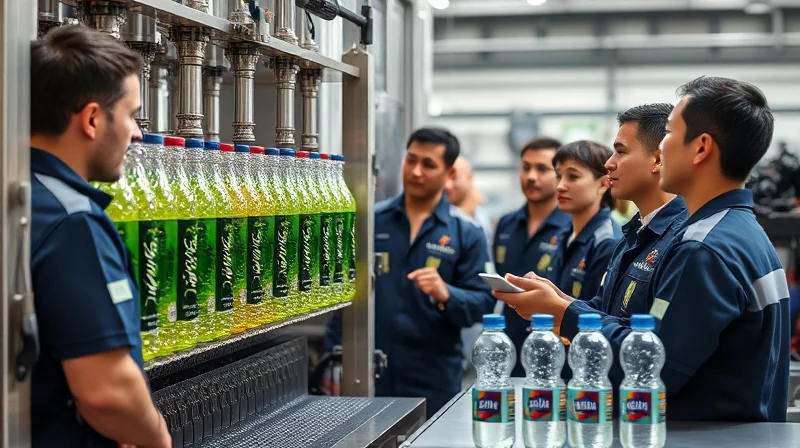
Are You Monitoring Key Performance Indicators (KPIs)?
Monitoring KPIs is like having a dashboard that provides real-time insights into the performance of your carbonated drink filling machine. By tracking key metrics, you can identify potential problems early, optimize your processes, and improve overall efficiency.Monitoring Key Performance Indicators (KPIs) such as fill accuracy, downtime, and production rate is essential for optimizing the performance of a carbonated drink filling machine. Analyzing these metrics allows for identifying potential issues, improving efficiency, and reducing waste.
Here are some important KPIs to monitor:
- Fill Accuracy: Track the fill volume of each filling head to ensure consistent fills.
- Downtime: Monitor the amount of time the machine is out of operation due to breakdowns or maintenance.
- Production Rate: Track the number of bottles or cans filled per hour.
- Waste Rate: Monitor the amount of product wasted due to spills, overfills, or other issues.
- Energy Consumption: Track the amount of energy consumed by the machine.
| KPI | Description | Importance |
|---|---|---|
| Fill Accuracy | Consistency of fill volume in each container. | Ensures customer satisfaction and avoids legal issues. |
| Downtime | Time the machine is not operational. | Reduces production output and increases costs. |
| Production Rate | Number of units filled per hour. | Maximizes output and efficiency. |
| Waste Rate | Amount of product wasted during filling. | Minimizes product loss and environmental impact. |
Conclusion
Optimizing the performance of your carbonated drink filling machine is essential for ensuring consistent product quality, minimizing downtime, and maximizing your overall efficiency. By implementing a rigorous preventative maintenance schedule, ensuring proper cleaning and sanitation procedures, regularly calibrating the filling heads, training your operators, and monitoring key performance indicators, you can keep your machine running smoothly and avoid costly problems. Remember that a well-maintained machine is a profitable machine. By following these tips, you can ensure that your filling machine operates at peak performance for years to come. Remember to consult with the manufacturer's guidelines and seek professional assistance when needed. Troubleshooting Common Filling Machine Problems
FAQ
How often should I perform preventative maintenance on my carbonated drink filling machine?
The frequency of preventative maintenance depends on the machine's usage and the manufacturer's recommendations. However, a good rule of thumb is to perform daily inspections, weekly cleaning, monthly lubrication, and annual comprehensive maintenance.
What are the most common causes of downtime for carbonated drink filling machines?
The most common causes of downtime include mechanical failures, electrical problems, sensor malfunctions, and issues with the filling heads. Regular maintenance and proper operation can help prevent these issues.
What type of cleaning agents should I use to clean my carbonated drink filling machine?
You should only use cleaning agents that are specifically designed for use in food and beverage processing equipment and are approved by relevant regulatory bodies. Avoid using harsh chemicals that could damage the machine or contaminate the product.