



Non-contact date coding systems

CO2 Laser Date Coding Machine for Bottles

Permanent non-contact CO2 coding for beverage bottles that need readable date, batch, or QR marks without ink consumables, with substrate fit, code-window control, and trigger timing resolved around the real line before FAT.

No ink consumablesNo ink consumables
Line-synced codingLine-synced coding

Get a Quote

Since 1995 · CE & ISO 9001 · 150+ countries

Built for beverage-line traceability teams

Code sample reviewSubstrate validationWavelength selectionCE documentation planQuality file available
≥30W / ≥40W supplier bands9.3 / 10.6 μm optionsNon-contact permanent codingRecipe and message backup
Total cost of ownership

Control the cost of unreadable codes, ink consumables, and coder stoppages.

A CO2 laser coder only performs well when substrate fit, wavelength choice, stand-off distance, trigger timing, enclosure access, and discharge inspection are engineered as one system. Chengwei’s W6000 packet supports beverage-line date coding with ≥30W and ≥40W CO2 configurations, 9.3 μm and 10.6 μm wavelength routes, material-dependent line-speed bands up to 0-200 m/min, and compact modular installation, but the final guarantee is still resolved against your bottle surface, code size, line speed, and mounting geometry before FAT.

Published line-speed band
0-200m/min
The Chengwei W6000 packet lists 0-100, 0-150, and 0-200 m/min production-line bands with an explicit material-dependency note; the quotation basis is still reset by substrate, code size, and encoder signal quality.
Wavelength set
9.3 / 10.6μm
The Chengwei packet positions 9.3 μm for PET beverage work and 10.6 μm for different materials such as glass bottles after sample marking review.
CO2 Laser Date Coding Machine for Bottles | Traceability Marking Station rated output equipment

CO2 Laser Date Coding Machine — configured for substrate, message set, and line speed

Marking method
Flying CO2 laser, non-contact coding
Substrate families
PET bottles, glass bottles, cartons, and beverage-oriented traceability packs after sample review
Wavelength options
9.3 μm and 10.6 μm
Source-power band
≥30W and ≥40W supplier packet bands
Code Sample FAT
Substrate Validation
Recipe Backup Plan
Commissioning Support Plan

Built around the code window.

The laser station is organized around readability rather than label transfer: the product must present a stable code window, the head must stay in the right focal zone, and the final mark must leave enough contrast for downstream verification. Chengwei’s packet reinforces that with modular installation, a movable bracket, and aided focus finding rather than a one-size-fits-all mounting claim.

Surface-fit review

Bottle, glass, carton, and similar packaging materials are screened first so the 9.3 μm or 10.6 μm route and the ≥30W / ≥40W source band match the real coding surface.

Trigger stability

Encoder and sensor timing hold the message in the right window even when conveyor speed or bottle pitch changes.

Operator-safe access

Head position, HMI visibility, aided focus finding, and guarding keep message change, cleaning, and daily verification inside the operator working zone.

Coding Control Points.

Substrate match

Wavelength, stand-off distance, and message size are chosen around the real coding surface, not a generic sample.

Signal timing

Sensor trigger and encoder feedback keep the code event synchronized with bottle or pack travel.

Verification

Readable contrast, line clearance, and reject logic are confirmed before the code station is accepted into routine production.

The Core: Present. Register. Mark. Verify. Discharge.

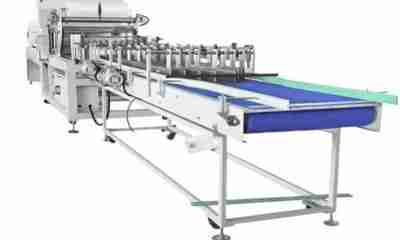
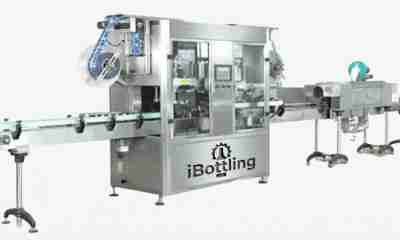
The coding sequence is engineered as a single event: product presentation, code-window registration, trigger confirmation, beam application, readability review, and discharge flow are coordinated so the mark lands in the intended zone and the line keeps moving. Chengwei’s packet explicitly supports automatic encoder and product-detector recognition, so the practical workflow starts with stable handoff from an adhesive labeler or sleeve labeler , then clear routing toward shrink wrapping or camera inspection.

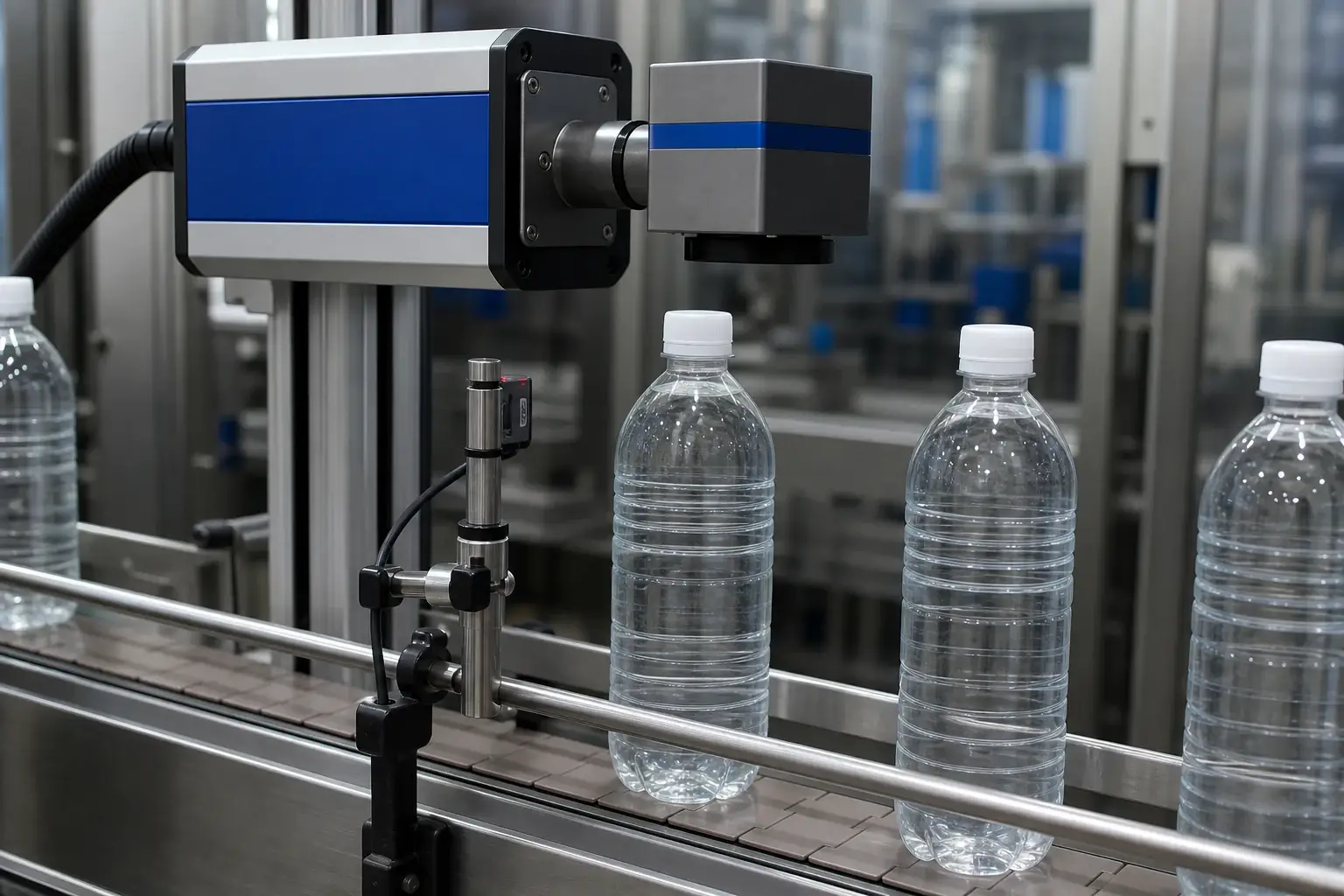
CO2 laser coding head and controller positioned for code-window register on a moving bottle or pack line.

Product register

  • Guide hardware and trigger devices stabilize the code window before the message is fired.
  • Encoder feedback keeps message position tied to real conveyor travel.
  • Register checks confirm that decoration seams, bottle curves, or carton folds do not cut through the intended code area.
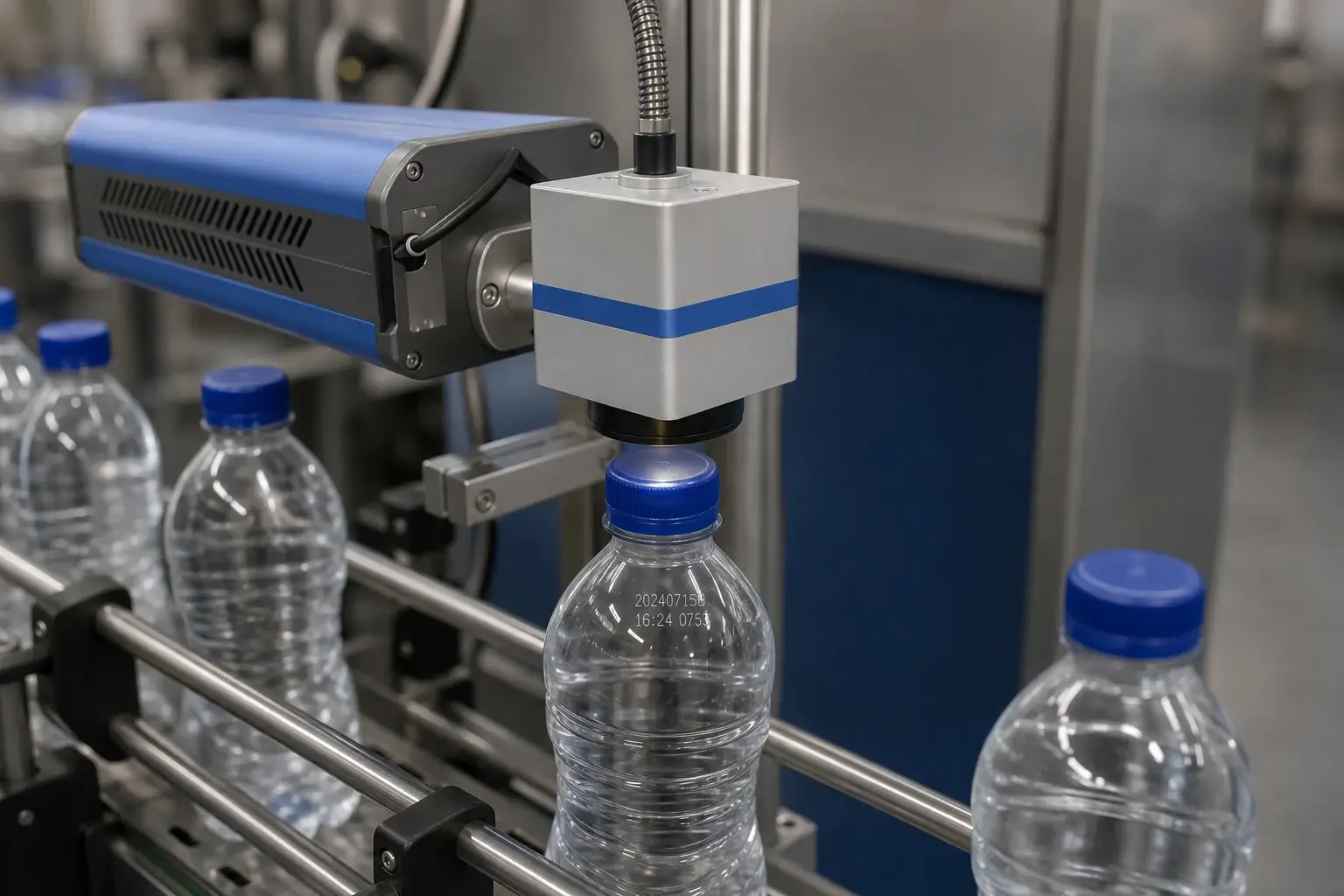
CO2 laser code application zone showing beam head alignment and message application hardware beside the conveyor.

Code application

  • Wavelength, source power, and focal distance are selected to suit PET bottle, glass bottle, carton, or similar approved substrate families shown in the Chengwei packet.
  • Message application remains non-contact, so no ink, ribbon, or solvent change is introduced into the line.
  • Sample message review confirms text, batch code, QR readability, and the required contrast at working speed.
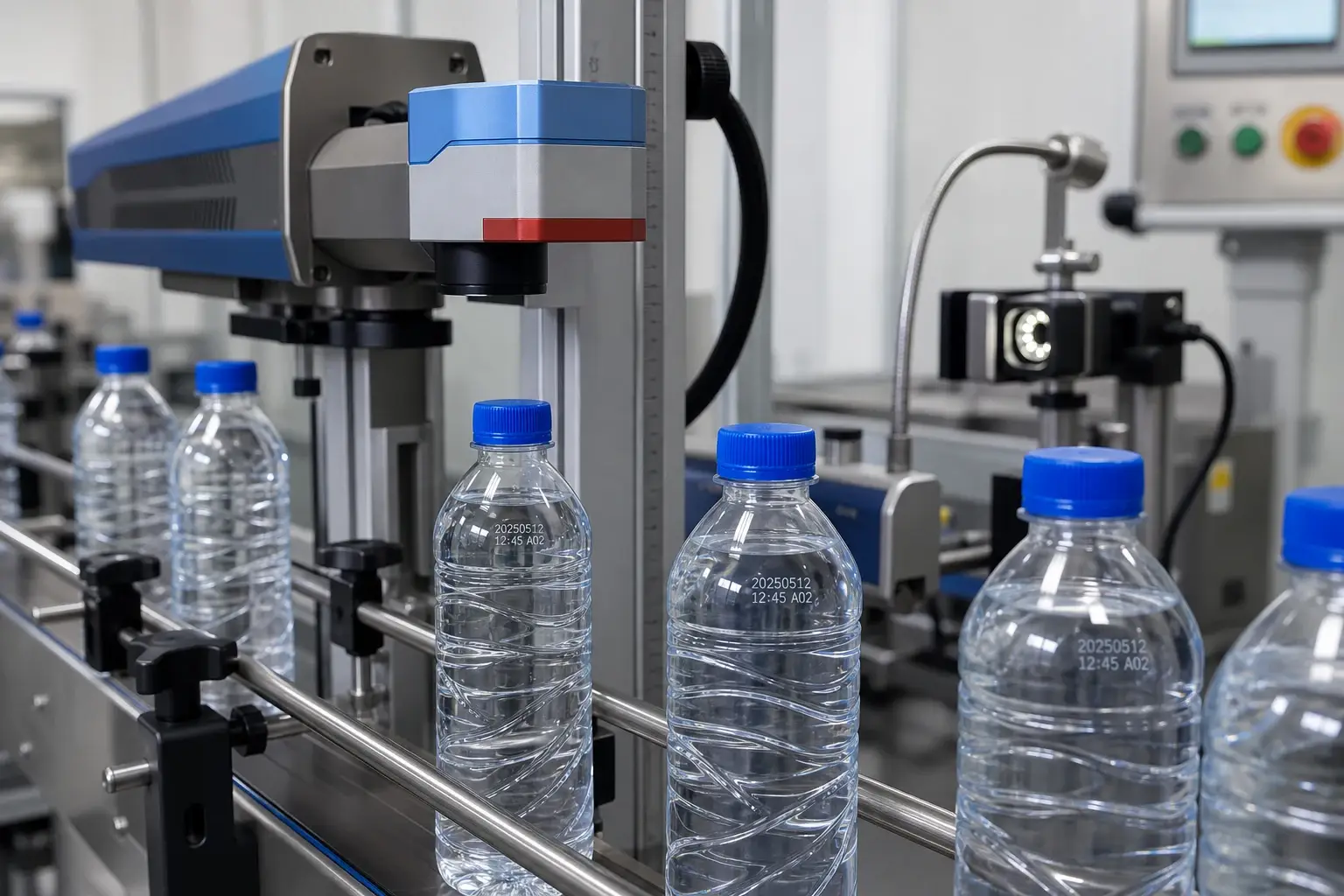
CO2 laser coder exit and inspection/discharge area prepared for readability check and downstream transfer.

Exit & inspection

  • Discharge spacing leaves room for operator checks, camera verification, or reject logic where required.
  • Readability inspection stays visible so poor contrast or wrong message content is caught before packing.
  • Supplier-packet setup guidance keeps mechanical setting around 30 minutes and line-change work around 20 minutes when the bracket, trigger, and focus basis have already been approved for the product family.

Configuration Inputs.

Specification basis before quotation

Sample message validation · substrate check · wavelength selection · FAT checklist

Compliance & Global Standards

  • ConformityCE documentation prepared for the quoted coding scope
  • Quality systemQuality documentation available with the project file set
  • Machine safetyGuarding, interlocks, warning logic, and fume-extraction allowances reviewed to site standard
  • Plant environmentMounting column, enclosure, and operator clearance selected for the packaging-room duty

The quoted laser file set ties CE and laser-safety documents, guarding notes, substrate checks, message validation, and sample-mark acceptance records to the exact coding setup reviewed during FAT, including the labeling and pack-out interfaces shared with an adhesive labeler , a sleeve labeler , or downstream wrap handling .

Core machine architecture from the Chengwei W6000 packet

This supplier packet does not prove a brand-by-brand global BOM. What it does prove is the machine architecture that buyers should review before quotation: sealed RF CO2 laser source, dual-axis galvanometer, integrated controller with 10-inch screen, red-light focus support, movable bracket, and the trigger / encoder basis that holds the coding window in place.

  • Sealed RF CO2 laser source Chengwei’s packet identifies a sealed metal radio-frequency CO2 laser generator as the core marking source for non-contact coding duty.

  • Dual-axis galvanometer The packet calls for a high-precision double-d scanning system to keep the mark synchronized with the moving product and the approved coding window.

  • Integrated controller + 10-inch screen The supplier packet names a highly integrated motherboard with embedded 10-inch screen and WIN CE operating system for job creation, preview, and task selection.

  • Movable bracket + aided focus finding The packet’s installation story depends on a movable bracket and aided focus-finding system so the head can be mounted, shifted, and re-focused around the real line condition.

ItemSpecification
Model seriesFlying CO2 laser coding platform
Output rangeChengwei packet lists material-dependent production-line bands at 0-100, 0-150, and 0-200 m/min; final project basis remains RFQ-defined from substrate, code size, and encoder quality
Container rangePET bottles, glass bottles, cartons, and selected packaging surfaces after sample marking review
Label dimensionsText, date, batch, serial, QR, barcode, and shift codes within the approved code window and contrast requirement
Wavelength options9.3 μm for PET-oriented beverage work; 10.6 μm for different approved material routes such as glass bottle projects
Source power
Marking mode
Controller & trigger
ChangeoverSupplier packet targets 2-minute task creation, 20-minute line change, and 30-minute mechanical setting when the approved bracket and product basis are already defined

Plant Integration & Layouts.

These layout references reserve head stand-off distance, controller reach, extraction allowance, trigger-mount positions, movable-bracket travel, and downstream verification space before the GA drawing is finalized.

DWG REF: LASER-CODE-PLANT-01
5 gallon filling line equipment layout reference with monoblock and process flow arrangement
Consumables & uptime

Reduce consumables, unreadable marks, and rework loops at the coding station.

Non-consumable marking

CO2 coding removes ink, ribbon, and solvent replenishment from the routine maintenance plan when the substrate and wavelength are matched correctly.

Readable code recovery

Stable code-window registration, controller recipes, and inspection access shorten recovery after a message change, bottle change, or line restart.

Coding zone in context.

Acceptance for a laser coding station should verify contrast on the real substrate, code-window stability at speed, message accuracy, trigger response, and inspection visibility before the line is released.
Acceptance proof basis — Acceptance proof basis — sample-message marking, code-window checks, and readability review for CO2 coding
Exported to 150+ Countries24/7 Rapid Response SupportTurnkey Engineering Services

Get a Quote for This Machine

Since 1995 · CE & ISO 9001 · 150+ countries

CO2 laser bottle coder and laser date coder

A bottle coder marks the production date, expiry date and batch number on every bottle or cap. This CO2 laser date coder marks the surface with a laser beam instead of ink, so there are no ink or solvent consumables and the code is permanent.

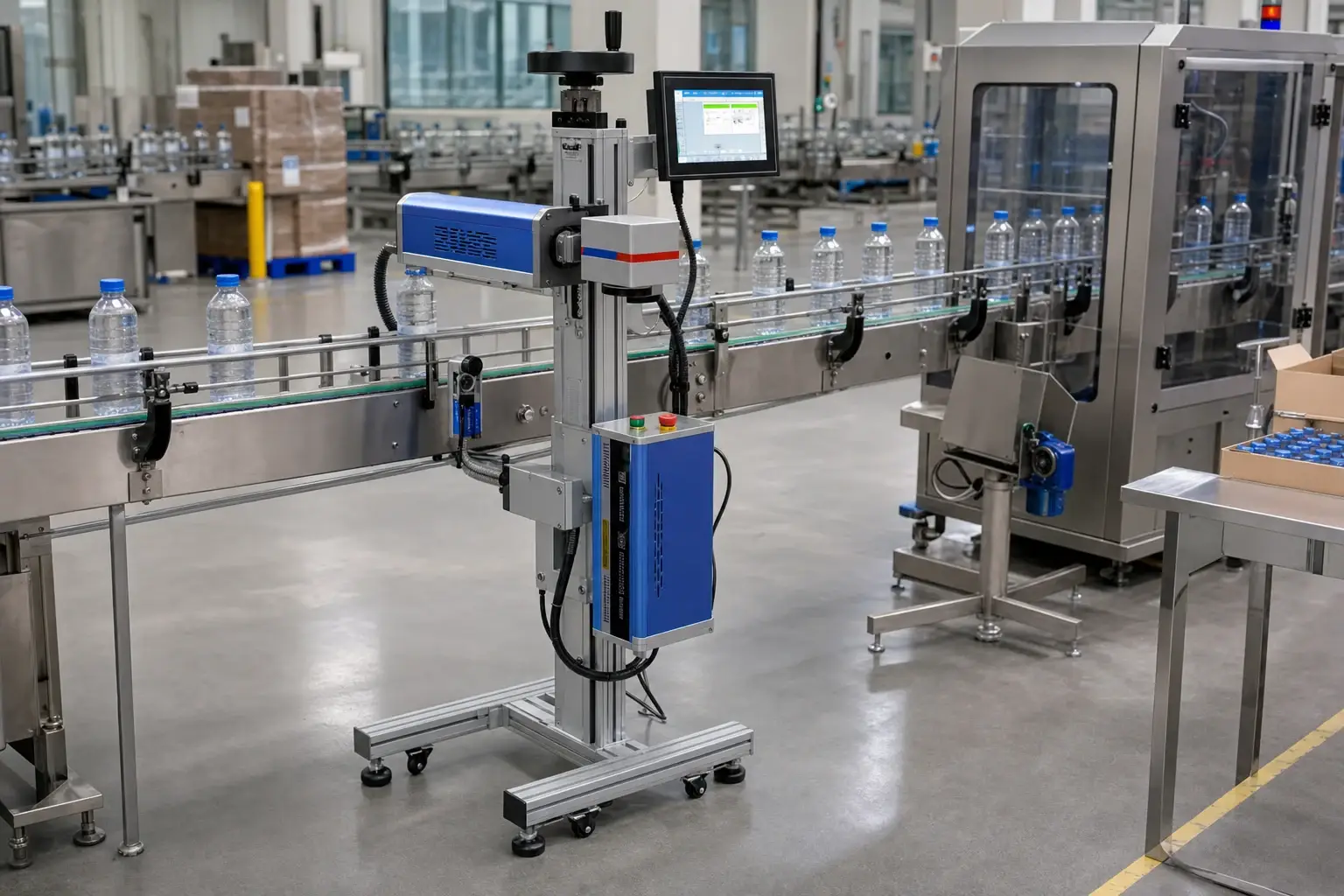
The CO2 laser coder is mounted on the conveyor after the capper or the labeler, for example after an OPP labeling machine on a water or CSD line, or after a hot juice filling machine on a juice line. Message set, substrate and line speed are confirmed before quotation.

FAQ — CO2 laser coding essentials

What substrates can it code in beverage projects?
Chengwei’s local packet supports review for PET bottles, glass bottles, cartons, and similar packaging surfaces shown in its sample set. The final usable substrate list is still locked only after sample marking confirms contrast, edge quality, and readability under the agreed message size.
How is wavelength selected?
Chengwei’s packet shows two routes: 9.3 μm and 10.6 μm. PET beverage work typically starts from 9.3 μm, while 10.6 μm remains available for different approved materials such as glass bottles after sample testing.
What throughput basis is used before quotation?
The Chengwei packet lists material-dependent production-line bands at 0-100, 0-150, and 0-200 m/min. The accepted quotation basis is still tied to substrate response, code size, line speed, and encoder signal quality during FAT.
What does changeover involve?
Chengwei’s packet says application setting and task creation can be completed in about 2 minutes and line change in about 20 minutes when the approved bracket, focus, and product family are already defined. In practice, changeover still includes message selection, code-window checks, and a quick sample-mark review before restart.
Can it integrate with labeling, wrapping, and inspection equipment?
Yes. The coder can be integrated after adhesive or sleeve labeling, before shrink wrapping or case packing, and alongside camera verification or reject gates. The line layout must reserve safe access, movable-bracket travel, extraction allowance, and a stable trigger point.
What is the difference between a laser bottle coder and an inkjet coder?
A laser bottle coder marks the bottle, cap or label with a laser beam, so it needs no ink, solvent or make-up fluid and the code cannot smudge. An inkjet coder sprays ink onto the surface and needs regular ink supply and cleaning.