3
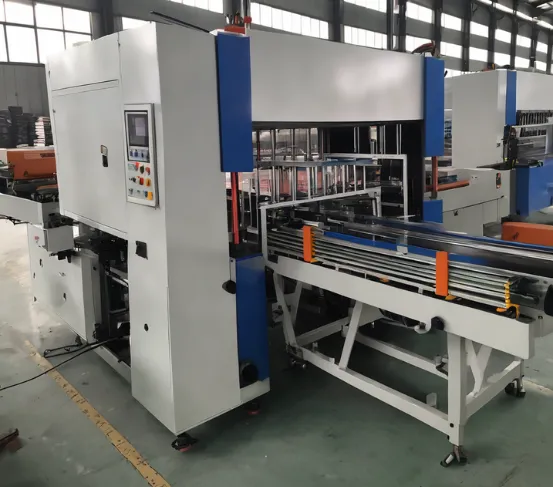
Common conveyor families for beverage lines: air, table-top chain, and modular belt.
Beverage line integration
Air conveyor, side guide, accumulation, merge, and table-top transfer modules keep bottles or cans moving between filler, labeler, packer, and palletizer. Conveyor length, elevation, lane count, merge logic, throughput basis, and changeover behavior stay RFQ-defined until the project layout and handoff checks are validated.
Since 1995 · CE & ISO 9001 · 150+ countries
Trusted by beverage line engineering reviews
Conveyor systems look simple until they start absorbing downstream pauses, merge pressure, and layout compromises. The buyer problem is stable bottle spacing, safe access, and predictable handoff between machine islands without forcing manual carry or repeated rework. In practice, buyers are usually validating 4 handoff checks and at least 5 layout variables before scope is locked.

 Sample review before release
 2-Year Quality Warranty
 Overseas Engineer Support Available
 Handoff checklist before shipment
A conveyor system is a coordination device as much as it is a transport device. The best layout keeps containers oriented, protects spacing, and preserves access to upstream and downstream machines without creating dead zones of unused floor or unsafe operator reach.
PET neck rings and side guides keep bottles stable through straight runs, curves, and vertical transitions.
Buffer tables and controlled zones absorb micro-stops so the line does not cascade into avoidable jams.
Handoff height, merge pressure, width, and sensor positions stay RFQ-defined and layout-verified.
3
Common conveyor families for beverage lines: air, table-top chain, and modular belt.
4
Decision checks for each handoff: spacing, orientation, recovery, and access.
RFQ
Length, height, lane count, guide width, and control zoning remain project-specific.
The conveyor path is validated from upstream exit to downstream infeed with each handoff checked for spacing, orientation, and restart recovery.


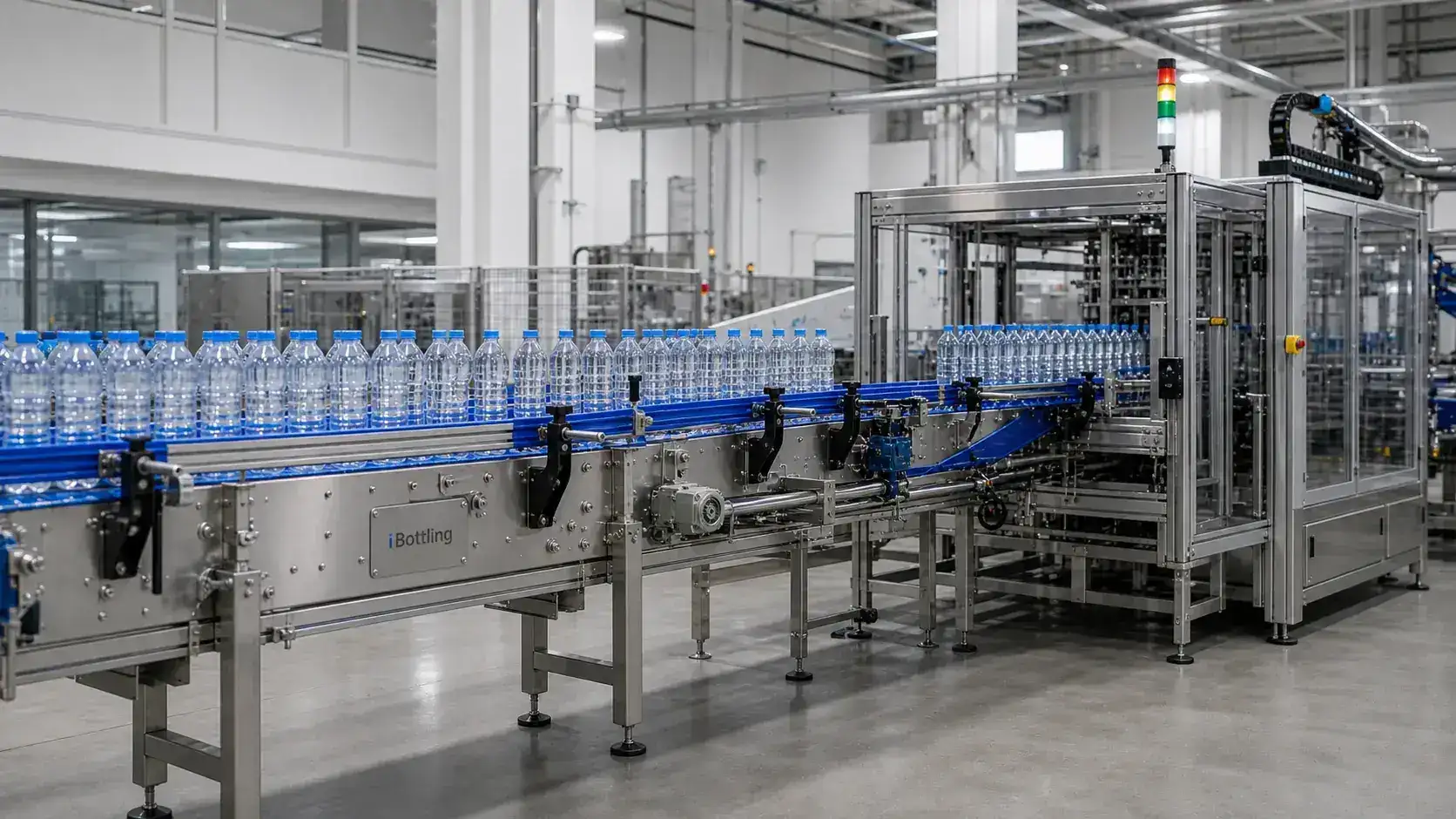
The quoted conveyor file set ties guarding notes, control logic, access review, and acceptance records to the approved line map and the downstream interfaces typically shared with an automatic carton packing machine or automatic bottle palletizer .
Electrical, sensing, and drive selections stay catalog-driven so the conveyor can be maintained with traceable spares, clean zone logic, and service documentation that still matches the approved line map.
| Item | Specification |
|---|---|
| Line role | |
| Container support | |
| Transfer geometry | |
| Controls and sensing | |
| Output basis | Quoted only after container sample review, approved layout, downstream interface map, and the agreed acceptance run for spacing, recovery, and operator access. |
| RFQ-defined fields | Length, elevation, lane count, guide width, discharge height, control zoning, and service clearance remain RFQ-defined until the project layout is frozen. |
| Utilities and guarding | Power, compressed air, panel placement, guarding notes, and lockout access stay tied to the factory sheet and the approved machine interfaces. |
| Acceptance records | FAT should document spacing stability, merge control, restart recovery, reject handling, and downstream handoff before the conveyor scope is released for shipment. |
| Item | Air conveyor | Table-top chain | Modular belt | Accumulation | Merge / discharge |
|---|---|---|---|---|---|
| Line role | Wet-end neck-guided transfer from blower or filler discharge. | Stable bottle or can carry between machine islands. | Supported-base transport where a broader carrying surface is safer. | Buffer zone that absorbs micro-stops without manual carry resets. | Low-pressure release into labeler, packer, or palletizer infeed. |
| Container support | PET neck-ring guidance when bottle spacing is the first risk. | Base-supported handling with rails sized to the approved container family. | Wider support for heavier bottles, packs, or longer transfer spans. | Controlled back-pressure logic matched to bottle family and lane width. | Release geometry tied to downstream width, height, and access side. |
| Transfer geometry | Elevated or overhead routing with approved entry and exit heights. | Straights, curves, and short elevation changes around the packaging block. | Longer transport, incline, or wider-body routing where supported carry matters. | Table or zone layout sized around dwell time and stop-recovery behavior. | Single-lane or multi-lane combine path locked by the final GA drawing. |
| Controls and sensing | Guide pressure, blower balance, and presence sensing stay line-specific. | Photoeyes, VFD sections, and lane-presence inputs hold stable handoff timing. | Synchronized drives and occupancy logic protect orientation through turns. | Zone release recipe prevents bottle pressure spikes during downstream pauses. | Merge timing, queue release, and jam response are validated at FAT. |
| Output basis | Quoted only after container sample review, approved layout, downstream interface map, and the agreed acceptance run for spacing, recovery, and operator access. | ||||
| RFQ-defined fields | Length, elevation, lane count, guide width, discharge height, control zoning, and service clearance remain RFQ-defined until the project layout is frozen. | ||||
| Utilities and guarding | Power, compressed air, panel placement, guarding notes, and lockout access stay tied to the factory sheet and the approved machine interfaces. | ||||
| Acceptance records | FAT should document spacing stability, merge control, restart recovery, reject handling, and downstream handoff before the conveyor scope is released for shipment. | ||||
Place the conveyor after filling, labeling, coding, or bundling and before case transport, weighing, inspection, or palletizing. Confirm 2 discharge-direction options, 1 approved GA drawing, infeed accumulation, operator access, and reject route before layout sign-off. Related line modules include Automatic Carton Packing Machine , Bottle Labeling Machines , and Automatic Bottle Palletizer Machine .

The layout should protect the container body from scuffing, tipping, and unnecessary pressure during transfers.
Finished packs should leave with stable spacing for coding, inspection, secondary packaging, or palletizing.
The conveyor should prove stable spacing, safe access, and recoverable handoff under the real bottle family and downstream layout before anyone promises line speed.
Since 1995 · CE & ISO 9001 · 150+ countries

Complete beverage line engineering from treatment to packaging.
OEM-grade beverage lines — treatment, filling, blow molding, and packaging systems engineered for uptime, cleanability, and export commissioning.
HK: Chevalier House, 45-51 Chatham Road S.
Shanghai: Hope Business Bldg, No. 655, Fengzhou Rd.
Shenzhen: Overseas Friendship Bldg, No. 12 Yingchun Rd.
+86 (755) 8314-3479