
Carbonated Drink Filling Machine: How Can You Keep It Running Smoothly?
A carbonated drink filling machine is the heart of any beverage production line, responsible for accurately and efficiently filling bottles or cans with your favorite fizzy drinks. These machines are complex pieces of equipment, and neglecting their maintenance can lead to costly downtime, reduced production capacity, and even compromise the quality of your product. Proper maintenance isn't just about fixing things when they break; it's about preventing breakdowns in the first place and maximizing the lifespan of your investment. From small-scale operations to large industrial plants, understanding the ins and outs of carbonated drink filling machine maintenance is crucial for profitability and operational efficiency.Regular maintenance of a carbonated drink filling machine involves daily, weekly, monthly, and annual checks. These checks include cleaning and sanitizing all contact surfaces, inspecting and replacing worn seals and gaskets, lubricating moving parts, verifying fill accuracy, and calibrating sensors. Following a consistent maintenance schedule prevents breakdowns, ensures product quality, and extends the machine's lifespan.
In this comprehensive guide, I'll walk you through the essential maintenance tasks for your carbonated drink filling machine. We'll cover everything from daily cleaning procedures to troubleshooting common issues, ensuring that your machine operates at peak performance for years to come. Let's dive in and explore the best practices for keeping your production line flowing smoothly!
Why is Regular Cleaning and Sanitization So Important?
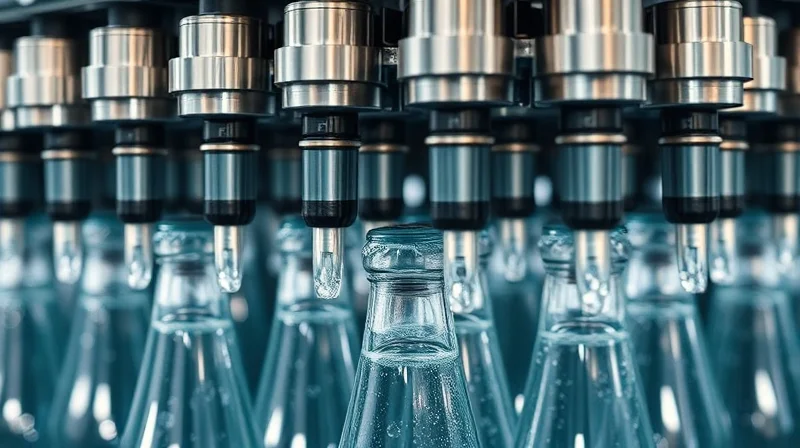
Maintaining a clean and sanitized carbonated drink filling machine is paramount for several reasons. First and foremost, it ensures the safety and quality of your product. Residue buildup can harbor bacteria and contaminants, leading to spoilage and potential health risks. Secondly, cleanliness directly impacts the machine's efficiency. Clogged nozzles and dirty sensors can lead to inaccurate fills and inconsistent carbonation levels. Finally, regular cleaning prevents corrosion and wear, extending the lifespan of critical components.Regular cleaning and sanitization of a carbonated drink filling machine are crucial for product safety, machine efficiency, and longevity. Dirty machines can harbor bacteria, cause inaccurate fills, and lead to corrosion.
Daily Cleaning Procedures
- Flush the System: At the end of each production day, flush the entire system with clean, potable water. This removes any remaining product and prevents residue buildup.
- Clean Filling Heads: Disassemble and clean the filling heads thoroughly. Pay special attention to nozzles and valves, ensuring they are free from obstructions. Guide to good manufacturing practice for medicinal products, part I✓
- Wipe Down Exterior Surfaces: Wipe down all exterior surfaces with a food-grade sanitizer. This includes the machine's frame, control panel, and any other areas that may come into contact with product or personnel.
Weekly Sanitization
Once a week, perform a more thorough sanitization of the entire system. This involves using a stronger sanitizing solution to eliminate any remaining bacteria or contaminants. Follow the manufacturer's instructions carefully when using sanitizing chemicals.- Circulate Sanitizing Solution: Circulate a sanitizing solution through the entire system for the recommended contact time.
- Rinse Thoroughly: After sanitizing, rinse the system thoroughly with clean water to remove any traces of the sanitizing solution.
Choosing the Right Cleaning Products
Selecting the right cleaning and sanitizing products is essential. Use only food-grade cleaners and sanitizers that are compatible with the materials used in your carbonated drink filling machine. Avoid using harsh chemicals that could damage the machine's components. California Retail Food Code✓. Always follow the manufacturer's instructions for dilution and application.How Often Should You Inspect and Replace Worn Parts?
Regular inspection and replacement of worn parts are crucial for preventing unexpected breakdowns and maintaining optimal performance of your carbonated drink filling machine. Identifying and addressing wear and tear early on can save you time and money in the long run. This proactive approach minimizes downtime and ensures the consistent quality of your carbonated beverages.Inspect and replace worn parts on your carbonated drink filling machine regularly (weekly, monthly, and annually). Key components to monitor include seals, gaskets, o-rings, filters, and worn tubing.
Key Components to Inspect
- Seals and Gaskets: These are critical for preventing leaks and maintaining pressure. Inspect them regularly for cracks, wear, or deformation. Replace them as needed.
- O-Rings: Similar to seals and gaskets, O-rings are used to create airtight seals in various parts of the machine. Check them for wear and tear and replace them promptly.
- Filters: Filters are essential for removing impurities from the product and preventing clogs. Inspect them regularly and replace them according to the manufacturer's recommendations.
- Tubing and Hoses: Check tubing and hoses for cracks, kinks, or leaks. Replace them as needed to maintain proper flow and pressure. Example of supplier for food-grade tubing
Creating a Maintenance Schedule
Develop a detailed maintenance schedule that outlines the frequency of inspections and replacements for each component. This schedule should be based on the manufacturer's recommendations and your own experience with the machine. A well-defined schedule ensures that all critical components are inspected and maintained regularly.| Component | Inspection Frequency | Replacement Frequency |
|---|---|---|
| Seals and Gaskets | Weekly | Monthly or as needed |
| O-Rings | Weekly | Monthly or as needed |
| Filters | Monthly | Every 3 months or as needed |
| Tubing and Hoses | Monthly | Annually or as needed |
Record Keeping
Maintain detailed records of all inspections and replacements. This helps you track the performance of individual components and identify any recurring issues. Good record-keeping is invaluable for troubleshooting and planning future maintenance activities. Records Management Reference Manual for Illinois State ... ✓.What About Lubrication and Mechanical Adjustments?
Proper lubrication and mechanical adjustments are essential for ensuring the smooth and efficient operation of your carbonated drink filling machine. Lubrication reduces friction and wear on moving parts, while mechanical adjustments ensure that the machine is properly aligned and calibrated. Neglecting these tasks can lead to increased wear and tear, reduced efficiency, and even machine failure.Lubricate moving parts of your carbonated drink filling machine regularly with food-grade lubricants. Adjust mechanical components like conveyors and filling heads to maintain proper alignment and prevent jams.
Lubrication
Lubricate all moving parts of the carbonated drink filling machine regularly with food-grade lubricants. This includes bearings, gears, and chains. Use the type of lubricant recommended by the manufacturer. Applying the correct lubricant minimizes friction, reduces wear, and extends the lifespan of these components. Importance of Food-Grade Lubricants- Identify Lubrication Points: Consult the machine's manual to identify all lubrication points.
- Use the Correct Lubricant: Use only food-grade lubricants that are compatible with the machine's components.
- Apply Lubricant Regularly: Follow the manufacturer's recommendations for lubrication frequency.
Mechanical Adjustments
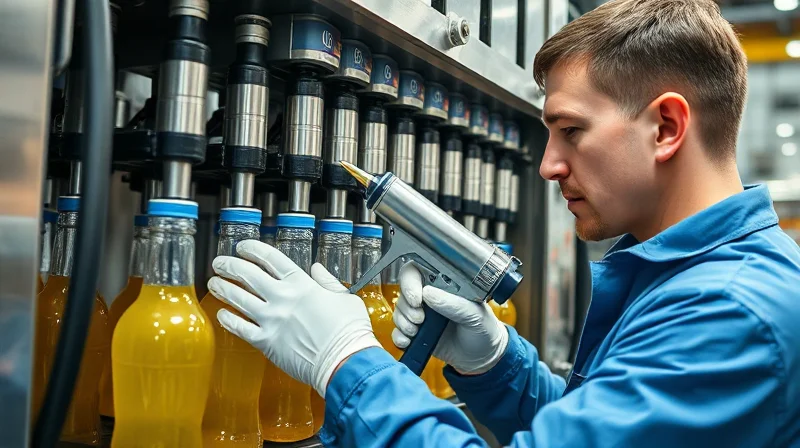
Regularly check and adjust mechanical components such as conveyors, filling heads, and sensors. Ensure that these components are properly aligned and calibrated. Misalignment or improper calibration can lead to jams, inaccurate fills, and other problems.- Conveyor Alignment: Ensure that the conveyor is properly aligned to prevent bottles or cans from tipping over.
- Filling Head Adjustments: Adjust the filling heads to ensure accurate and consistent fills.
- Sensor Calibration: Calibrate sensors regularly to ensure accurate readings.
Addressing Common Mechanical Issues
Be prepared to address common mechanical issues such as loose belts, worn chains, and misaligned components. Regular inspections and timely repairs can prevent these issues from escalating into more serious problems. Keep a supply of spare parts on hand to minimize downtime.What Are Some Common Troubleshooting Tips?
Even with regular maintenance, you may encounter occasional problems with your carbonated drink filling machine. Knowing how to troubleshoot common issues can help you resolve problems quickly and minimize downtime. This section will provide some practical troubleshooting tips to keep your production line running smoothly.Troubleshoot common issues with your carbonated drink filling machine by checking for leaks, clogs, sensor errors, and pressure imbalances. Refer to the machine's manual for specific troubleshooting steps.
Common Issues and Solutions
- Leaks: Check for leaks around seals, gaskets, and fittings. Tighten loose connections or replace worn seals.
- Clogs: Clogs can occur in nozzles, filters, and tubing. Clean or replace clogged components.
- Sensor Errors: Check sensor connections and calibration. Replace faulty sensors.
- Pressure Imbalances: Ensure that the pressure is within the recommended range. Check pressure regulators and relief valves. Guide on pressure regulation in beverage filling
Using the Machine's Manual
Always refer to the machine's manual for specific troubleshooting steps. The manual will provide detailed information on the machine's components, operation, and troubleshooting procedures. Familiarize yourself with the manual before attempting any repairs.When to Call a Professional
Some problems may be beyond your ability to resolve. If you are not comfortable performing certain repairs or if the problem persists despite your efforts, it is best to call a qualified technician. Attempting to repair complex issues without the proper training and equipment can damage the machine and void the warranty.
Remote Monitoring Systems
Consider using remote monitoring systems. These systems allow you to track the machine's performance in real-time and receive alerts when potential problems are detected. Remote monitoring can help you identify issues early on and prevent costly breakdowns.Conclusion
Maintaining a carbonated drink filling machine requires a proactive and consistent approach. By following the tips outlined in this guide, you can ensure that your machine operates at peak performance, minimizes downtime, and produces high-quality carbonated beverages. Remember to prioritize regular cleaning and sanitization, inspect and replace worn parts, lubricate moving components, and troubleshoot common issues promptly. With proper care and attention, your carbonated drink filling machine will serve you reliably for years to come.FAQ
How often should I clean my carbonated drink filling machine?
You should perform a basic cleaning at the end of each production day and a more thorough sanitization once a week.
What type of lubricant should I use on my filling machine?
Always use food-grade lubricants that are specifically designed for use in food processing equipment. Consult your machine's manual for specific recommendations.
How can I prevent leaks in my filling machine?
Regularly inspect seals, gaskets, and fittings for wear and tear. Replace worn components promptly and tighten any loose connections.
What do I do if my filling machine is not filling accurately?
Check for clogs in nozzles and filters. Calibrate the filling heads and sensors to ensure accurate measurements.



