Increase Bottling Efficiency: Is a 1898 The Crown Cork Cap and Crown Soda Machine 1892 and ✓ Right for You?
The beverage industry is a dynamic and competitive landscape. For businesses producing carbonated drinks, efficiency isn't just a buzzword – it's the key to profitability and growth. From minimizing waste to maximizing output, every aspect of the production process counts. One of the most critical components of a successful bottling operation is the carbonated drink filling machine. These machines are designed to precisely and quickly fill bottles or cans with carbonated beverages, ensuring consistent quality and minimizing downtime. But how do you know if investing in a carbonated drink filling machine is the right move for your business? Investing in a carbonated drink filling machine can significantly boost bottling efficiency. These machines offer precise filling, reduced waste, and faster production speeds, leading to increased profitability and consistent product quality. They are designed to handle the complexities of carbonated beverages, ensuring minimal foaming and optimal carbonation levels, ultimately improving overall operational effectiveness.A carbonated drink filling machine increases bottling efficiency by automating the filling process, reducing manual labor, minimizing spillage, and ensuring consistent fill levels. This leads to faster production cycles, reduced waste, and improved product quality, ultimately boosting profitability.
In this post, we'll delve into the world of carbonated drink filling machines, exploring their benefits, different types, and key considerations for choosing the right one for your specific needs. We'll also examine how these machines contribute to overall operational efficiency and profitability. By the end of this article, you'll have a comprehensive understanding of whether a carbonated drink filling machine is the right investment for your business.

What Are the Key Benefits of Using a Carbonated Drink Filling Machine?
Investing in a carbonated drink filling machine offers a multitude of advantages, from enhanced productivity to improved product quality. Understanding these benefits is crucial for making an informed decision about whether to incorporate one into your bottling line. Let's explore some of the most significant advantages.Key benefits of using a carbonated drink filling machine include increased production speed, reduced product waste, improved fill accuracy, consistent product quality, and minimized labor costs. These advantages contribute to enhanced profitability and operational efficiency.
Here's a breakdown of the key benefits:
- Increased Production Speed: Automated filling machines can significantly increase the number of bottles or cans filled per hour compared to manual filling methods. This is particularly important for businesses looking to scale up production to meet growing demand. Speed Safety Camera Program Planning and Operations Guide✓
- Reduced Product Waste: Precise filling mechanisms minimize spillage and overfilling, reducing product waste and saving money on raw materials. This precision also ensures consistent fill levels, enhancing the overall consumer experience.
- Improved Fill Accuracy: Carbonated drink filling machines are designed to deliver consistent and accurate fill levels, ensuring that each bottle or can contains the correct amount of product. This is essential for maintaining product quality and complying with labeling regulations.
- Consistent Product Quality: By minimizing exposure to air and controlling the filling process, these machines help maintain the carbonation level and overall quality of the beverage. This is especially important for carbonated drinks, where maintaining the fizz is crucial.
- Minimized Labor Costs: Automating the filling process reduces the need for manual labor, freeing up employees to focus on other tasks. This can lead to significant cost savings over time.
- Improved Hygiene: Modern filling machines are designed with hygiene in mind, featuring easy-to-clean surfaces and enclosed filling systems that minimize the risk of contamination. Food Safety Standards for Beverage Production
What Types of Carbonated Drink Filling Machines Are Available?
The market offers a variety of carbonated drink filling machines, each designed with specific features and capabilities. Understanding the different types available is crucial for selecting the machine that best suits your production needs and budget. Let's explore some of the most common types.Common types of carbonated drink filling machines include gravity fillers, pressure fillers, counter pressure fillers, and volumetric fillers. Each type utilizes a different filling mechanism and is suited for specific types of carbonated beverages and production volumes.
Here's a look at the different types of machines:
- Gravity Fillers: These machines rely on gravity to fill the bottles. They are relatively simple in design and are often used for non-carbonated beverages or beverages with low carbonation levels.
- Pressure Fillers: Pressure fillers use pressure to force the beverage into the bottles. They are suitable for beverages with moderate carbonation levels.
- Counter Pressure Fillers: These machines are specifically designed for highly carbonated drinks. They maintain a consistent pressure inside the bottle during the filling process, minimizing foaming and ensuring accurate fill levels. This is the most common type of filler for carbonated beverages like soda and sparkling water.
- Volumetric Fillers: Volumetric fillers measure the volume of liquid being dispensed into each bottle. They can be used for both carbonated and non-carbonated beverages and are known for their accuracy and consistency.
| Type of Filler | Suitable for | Advantages | Disadvantages |
|---|---|---|---|
| Gravity Filler | Non-carbonated or low-carbonation beverages | Simple design, low cost | Not suitable for highly carbonated drinks |
| Pressure Filler | Moderately carbonated beverages | Faster filling speed than gravity fillers | May result in foaming with highly carbonated drinks |
| Counter Pressure Filler | Highly carbonated drinks | Minimizes foaming, ensures accurate fill levels | More complex design, higher cost |
| Volumetric Filler | Both carbonated and non-carbonated beverages | High accuracy and consistency | Can be more expensive than other types |
What Factors Should I Consider When Choosing a Carbonated Drink Filling Machine?
Selecting the right carbonated drink filling machine requires careful consideration of several key factors. Making the wrong choice can lead to inefficiencies, increased costs, and compromised product quality. Let's explore the essential factors to keep in mind when making your decision.Factors to consider when choosing a carbonated drink filling machine include production volume, beverage type, bottle/can size, level of automation, budget, maintenance requirements, and available space. Evaluating these factors ensures the selected machine aligns with your specific operational needs.
Here's a list of factors to consider:
- Production Volume: How many bottles or cans do you need to fill per hour or day? Choose a machine that can handle your current and projected production volume.
- Beverage Type: What type of carbonated beverage are you filling? Different machines are designed for different levels of carbonation.
- Bottle/Can Size: What size bottles or cans will you be filling? Ensure the machine can accommodate the sizes you need.
- Level of Automation: Do you need a fully automated machine or a semi-automatic one? Fully automated machines require less manual labor but are typically more expensive.
- Budget: How much are you willing to spend on a filling machine? Consider the initial cost, as well as ongoing maintenance and operating costs.
- Maintenance Requirements: What are the maintenance requirements for the machine? Choose a machine that is easy to maintain and has readily available spare parts.
- Available Space: How much space do you have available in your facility? Choose a machine that fits comfortably within your available space.
How Can I Optimize My Bottling Line for Maximum Efficiency?
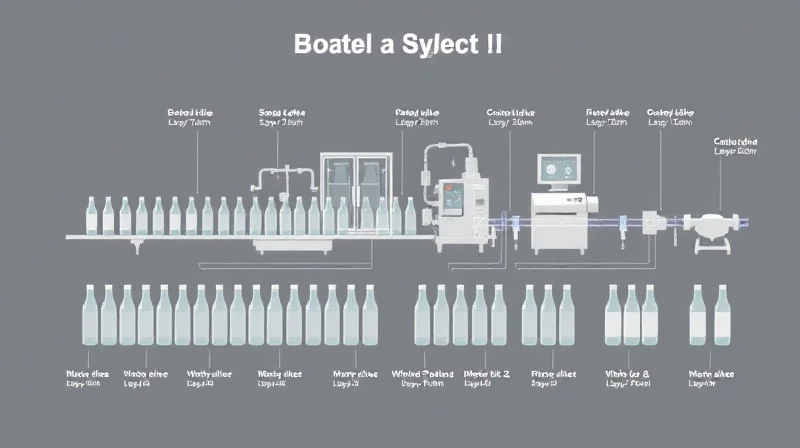
Investing in a carbonated drink filling machine is just one piece of the puzzle. To achieve maximum efficiency, you need to optimize your entire bottling line. This involves streamlining processes, minimizing downtime, and ensuring that all components work together seamlessly. Let's explore some strategies for optimizing your bottling line.Optimizing a bottling line for maximum efficiency involves implementing preventative maintenance programs, streamlining material handling, optimizing machine settings, training operators effectively, and regularly monitoring performance metrics to identify and address bottlenecks.
Here are some tips for optimizing your bottling line:
- Implement a Preventative Maintenance Program: Regular maintenance is essential for keeping your carbonated drink filling machine and other equipment running smoothly. Implement a preventative maintenance program to identify and address potential problems before they lead to downtime. NCI Best Practices for Biospecimen Resources ✓
- Streamline Material Handling: Optimize the flow of materials through your bottling line to minimize delays and bottlenecks. This may involve using conveyors, automated guided vehicles (AGVs), or other material handling equipment.
- Optimize Machine Settings: Ensure that your carbonated drink filling machine and other equipment are properly calibrated and adjusted to maximize efficiency and minimize waste.
- Train Operators Effectively: Properly trained operators are essential for running your bottling line efficiently and safely. Provide comprehensive training to all operators on the proper use and maintenance of the equipment.
- Monitor Performance Metrics: Regularly monitor key performance indicators (KPIs) such as fill accuracy, production speed, and downtime to identify areas for improvement.
Conclusion
Investing in a carbonated drink filling machine can be a game-changer for businesses in the beverage industry. By automating the filling process, these machines offer a range of benefits, including increased production speed, reduced product waste, improved fill accuracy, and minimized labor costs. However, choosing the right machine requires careful consideration of factors such as production volume, beverage type, and budget. By optimizing your entire bottling line and implementing best practices for maintenance and operation, you can maximize the efficiency and profitability of your bottling operation. Ultimately, a well-chosen and properly maintained carbonated drink filling machine is a valuable asset for any business looking to thrive in the competitive beverage market.What is the difference between a pressure filler and a counter pressure filler?
A pressure filler uses pressure to force the beverage into the bottles and is suitable for moderately carbonated drinks. A counter pressure filler maintains a consistent pressure inside the bottle during filling, minimizing foaming and ensuring accurate fill levels for highly carbonated beverages.
How often should I perform maintenance on my carbonated drink filling machine?
The frequency of maintenance depends on the machine's usage and manufacturer's recommendations. However, a general rule is to perform daily visual inspections, weekly cleaning, and monthly preventative maintenance tasks. Consult your machine's manual for specific guidelines.
What are some common problems that can occur with carbonated drink filling machines?
Common problems include foaming, inconsistent fill levels, leaks, and machine downtime. These issues can often be resolved through proper maintenance, calibration, and operator training.
How can I reduce foaming during the filling process?
Using a counter pressure filler is the most effective way to reduce foaming. Other strategies include chilling the beverage, reducing the filling speed, and ensuring proper CO2 saturation levels.
References
- Rd 13 Award Booklet-CRAFT final.xlsx ✓
- Productivity Improvement at a Soft Drink Manufacturing Company: A ... ✓
- 1898 The Crown Cork Cap and Crown Soda Machine 1892 and ✓
- Improving Productivity of Industrial Soda-Filling Machine using PLC ...
- Beverage (Carbonated Drinks) - Pasteurisation/Sterilisation