
Liquid Filling Systems
High-precision filling machines for water, carbonated soft drinks, hot-fill juices, canned beverages, and industrial liquids. PET, glass, aluminum can, and HDPE formats from 250ml to 19L. Each machine configuration is reviewed for compatibility with your product, container format, and production volume requirements.
Why Liquid Filling Systems
iBottling filling machines deliver precise fill volumes, high uptime, and hygienic design across the widest range of liquid products. From still water to aerosol propellants, each filling platform is engineered for its specific product class. Machine types include gravity fillers, pressure fillers, hot-fill systems, piston fillers, and flow-meter-based fillers — each selected based on liquid characteristics, container format, and production targets.
Filling Machine Types
Select the right filling technology for your product. Each machine type is optimized for specific liquid characteristics, container formats, and production volumes.
🏭
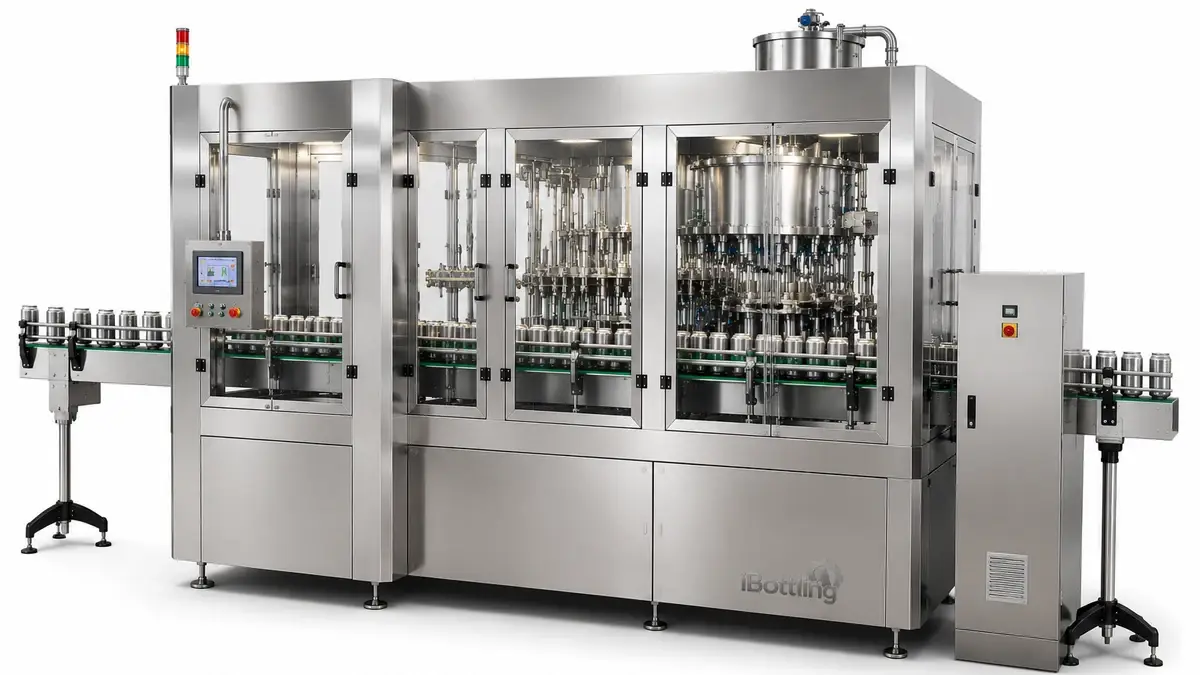
PET Water Filling
High-output PET water filling systems for still and sparkling water. Rinse-fill-cap monoblock integration for 250ml to 19L formats.
🥤
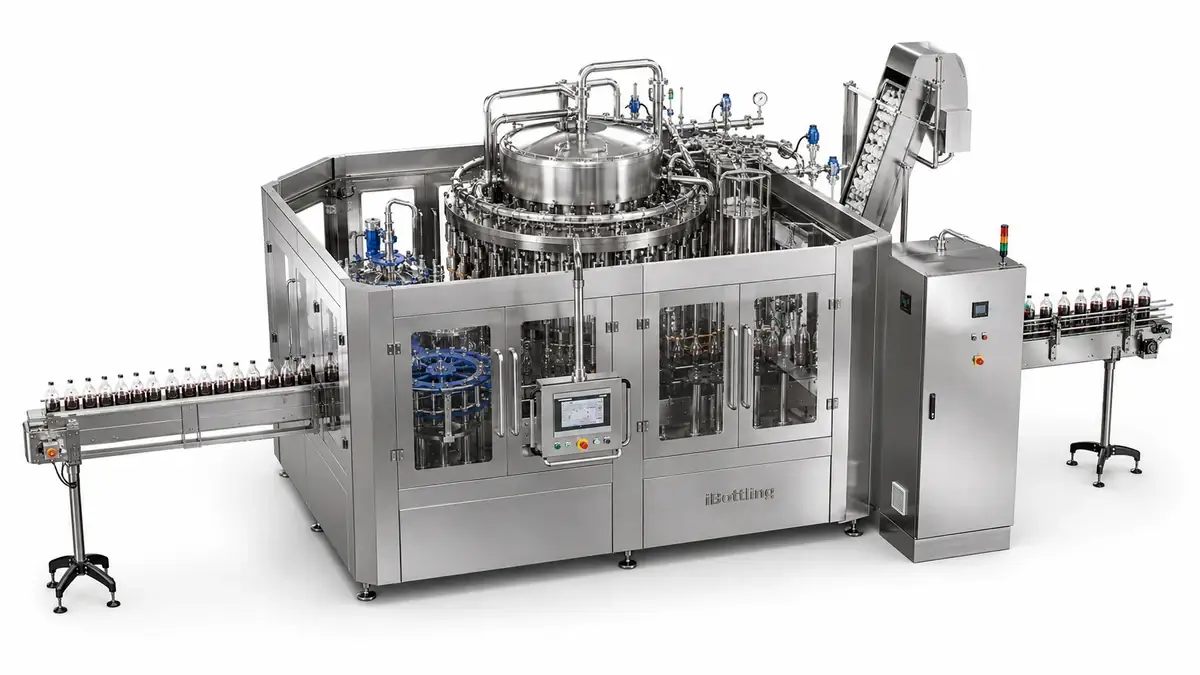
Carbonated Drink Filling
PET CSD filling machines with controlled carbonation and pressure-fill technology for sodas, sparkling water, and carbonated beverages.
🧃
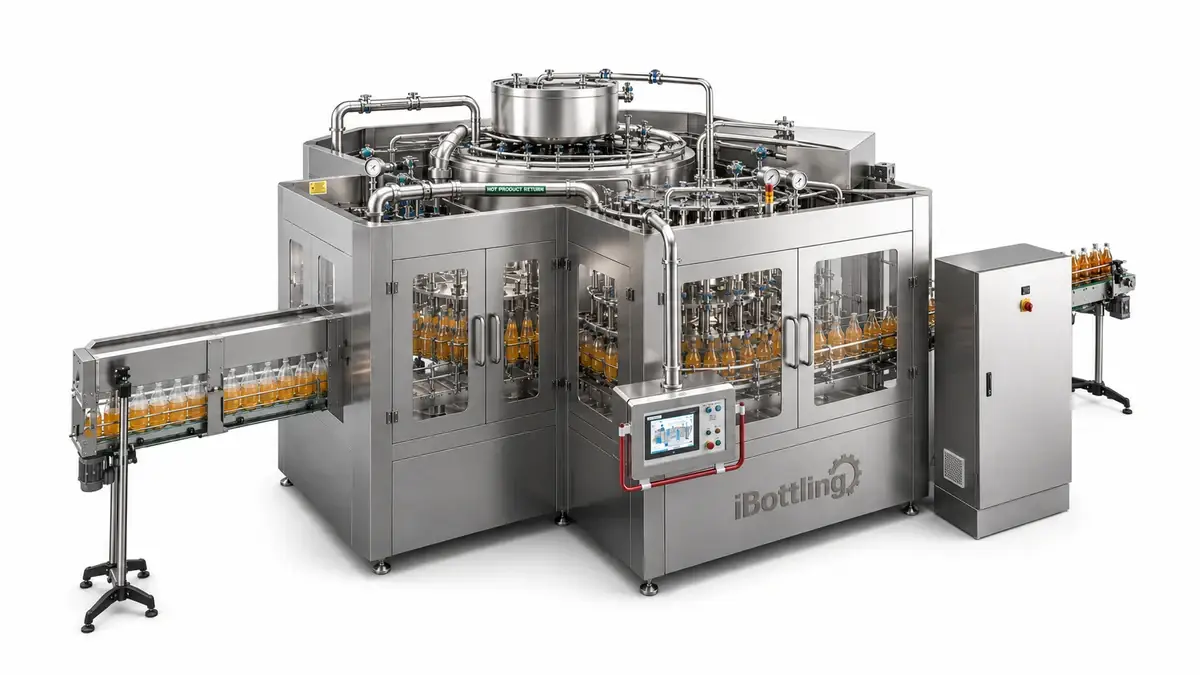
Hot Fill & Juice Filling
Hot-fill PET bottling systems for pasteurized juices, isotonics, and shelf-stable beverages at controlled elevated filling temperatures.
🥫
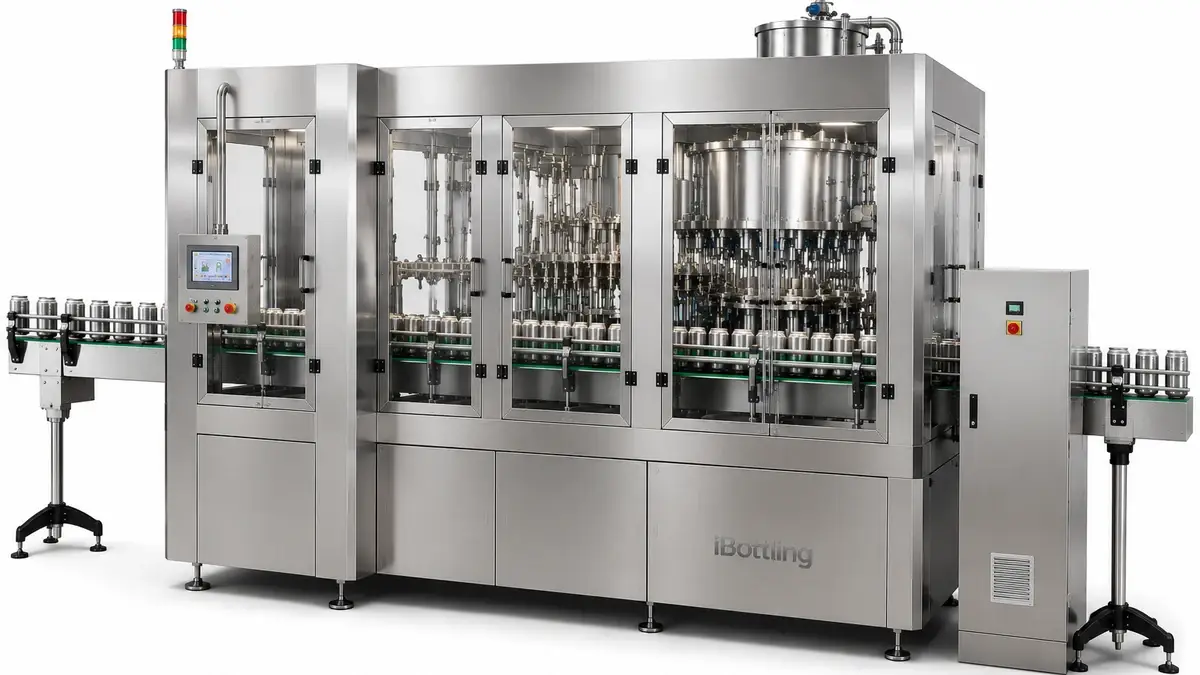
Can Filling Systems
Multi-format can and glass filling solutions for beer, soda, wine, and spirits. Seaming and capping integration for complete packaging.
🧪
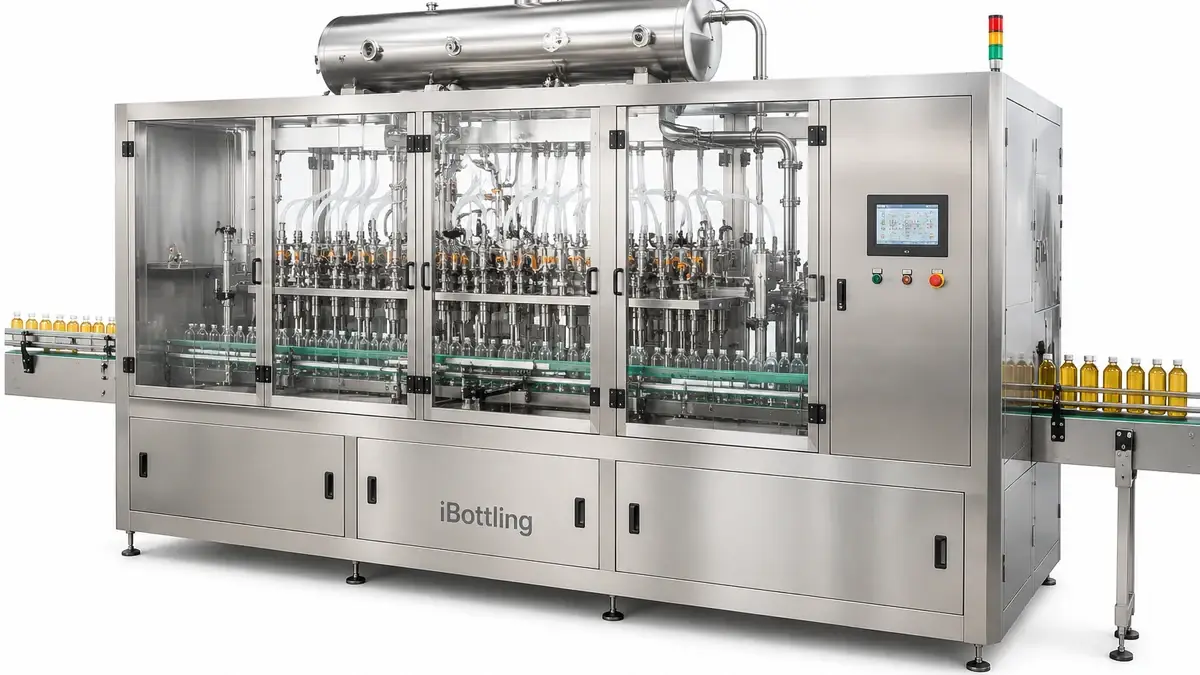
Industrial & Chemical Filling
Specialized filling equipment for edible oils, detergents, chemicals, and aerosol products with corrosion-resistant construction.
Related Filling Solutions
Complete your filling line with integrated systems for upstream processing, downstream packaging, and full turnkey solutions.
🏭
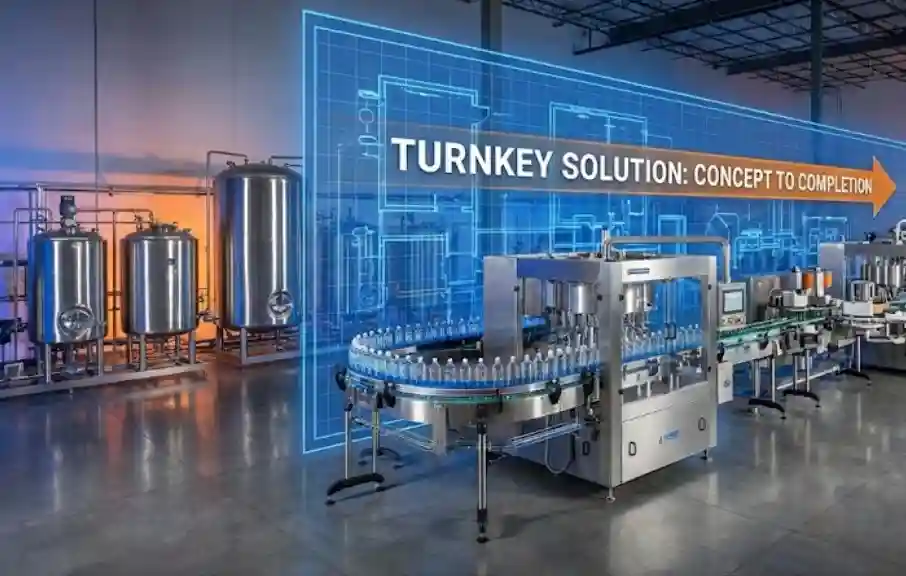
Complete Bottling Lines
Turn-key beverage production lines integrating filling with blow molding, labeling, packing, and palletizing. Single-source responsibility.
⚙️
Packaging & Conveyor Integration
End-of-line packaging machinery including conveyor systems, labelers, packers, and palletizers for seamless production flow.
💧
Processing & Water Treatment
Pre-treatment, water purification, blending, and sterilization systems to prepare water and beverages before filling.
Filling Machine Selection Guide
Compare filling technologies side by side. Select the right machine type based on your product, capacity target, and production requirements.
| Selection Factor | PET Water | CSD | Hot Fill | Can & Glass | Industrial Oil & Sauce |
|---|---|---|---|---|---|
| Product type | Still water, sparkling water | Carbonated drinks, soda | Juice, tea, isotonic | Beer, soda, wine, spirits | Edible oils, sauces |
| Container format | PET bottles | PET bottles | PET (heat-resistant) | Aluminum cans, glass | PET, HDPE |
| Fill method | Gravity / volumetric | Pressure / counter-pressure | Hot fill (elevated temp) | Pressure / gravity | Piston / flow meter |
| Typical capacity | Up to 36,000 BPH | Up to 24,000 BPH | Up to 18,000 BPH | Up to 30,000 CPH | Up to 6,000 CPH |
| Typical labor requirement | 1–2 operators per shift (varies by line configuration and packaging automation level) | ||||
| Automation level | Full automatic | Full automatic | Full automatic | Full automatic | Semi to full auto |
| Best suited for | Water producers | CSD manufacturers | Juice & beverage plants | Breweries & canning lines | Edible oil & specialty beverage producers |
Actual output and staffing depend on product characteristics, container format, line configuration, and production requirements. Contact our engineering team for project-specific recommendations.
Applications
iBottling filling machines are deployed across a wide range of beverage, food, and industrial liquid applications.
| Application | Typical Format | Recommended Machine Type |
|---|---|---|
| Bottled Water | PET 250ml – 19L | PET Water Filler |
| Carbonated Soft Drinks | PET 250ml – 2L | CSD Filler |
| Hot Fill Juice / Tea | PET 200ml – 1L | Hot Fill Filler |
| Beer & Hard Seltzer | Can 330 – 500ml | Can & Glass Filler |
| Edible Oils | PET/HDPE 500ml – 5L | Industrial Filler |
| Detergents & Chemicals | HDPE 500ml – 5L | Industrial Filler |
| Aerosol Products | Metal can | Industrial Filler |
Engineering & Project Support
Beverage line integration goes beyond the filling machine. iBottling provides engineering support for complete production line design — from water treatment and bottle blowing to filling, labeling, and packaging.
Complete Line Integration
Integration of water treatment, bottle blowing, filling, labeling, and packaging equipment into a synchronized production line. Line control and automation are configured according to project requirements, enabling coordinated operation between production sections. Line layout is designed for optimized floor space utilization and material flow.
Water Treatment & Process Engineering
RO purification and treatment systems configured to match filling capacity and source water quality. Process integration includes product blending, carbonation, and thermal treatment where required. CIP solutions can be configured for beverage applications requiring higher hygiene control.
Installation & Commissioning
On-site installation supervision and mechanical completion support. Operator training and production ramp-up assistance included with each line. Remote technical support and spare parts supply available post-commissioning.
Beverage Bottling Projects & Engineering References
iBottling filling equipment is deployed in beverage production lines across markets worldwide — from regional bottled water operations to fully integrated carbonated drink production.
01
Carbonated Beverage Filling Line — Russia
Complete carbonated beverage production line including PET bottle blowing, rinsing, filling, capping, labeling, and shrink wrapping. The customer completed installation independently using step-by-step guidance, with the line operating at target capacity since commissioning.

02
PET Bottled Water Line — Zimbabwe
Automated PET water bottling line serving the Lake Kariba region. Integrated blow molding, rinsing, filling, capping, labeling, and shrink wrapping. Designed for reliable operation with minimal on-site technical resources.
Turnkey Beverage Line Engineering
Project scope covers line layout design, equipment specification, FAT on customer containers, on-site installation supervision, and commissioning. Engineering support includes integration of water treatment, blow molding, filling, labeling, and packaging — coordinated as a single production system.
Frequently Asked Questions
Q1: What types of beverage filling machines does iBottling offer?
iBottling supplies filling machines for water, carbonated soft drinks, hot-fill juice, beer, wine, spirits, edible oils, and specialty beverages. Machine types include gravity fillers, pressure fillers, hot-fill systems, piston fillers, and flow-meter fillers for PET bottles, glass bottles, aluminum cans, and HDPE containers.
Q2: How much does a beverage filling machine cost?
Filling machine pricing depends on production capacity, automation level, container format, and line configuration. Semi-automatic start-up lines are typically more accessible, while fully automatic rotary systems with line integration represent a higher investment. Contact our sales team with your production requirements for a project-specific quotation.
Q3: How do I choose the right filling machine for my product?
Selection depends on your product type (still, carbonated, hot-fill, or viscous), container format (PET, glass, can, HDPE), target production volume, and automation requirements. Refer to the selection guide above for a comparison of filling technologies by beverage category. Our engineering team can review your product specifications and recommend an appropriate configuration.
Q4: What is the difference between a monoblock and a triblock filling machine?
A monoblock integrates two functions — typically rinsing and filling — into a single machine frame. A triblock combines three functions: rinsing, filling, and capping in one unit. Triblocks are common in PET water bottling lines where compact floor space and synchronized operation are priorities. Both configurations reduce conveyor length and simplify line control compared to separate machines.
Q5: How many workers are needed to operate an automatic filling line?
A fully automatic rotary filling line typically requires 1–2 operators per shift for monitoring, quality checks, and material supply. The actual number depends on packaging integration level, container handling automation, and downstream equipment configuration. Semi-automatic lines may require additional operators for manual loading and unloading.
Q6: What production volume can your filling machines handle?
Production capacity varies by machine type and configuration. PET water filling machines can reach up to 36,000 BPH, CSD fillers up to 24,000 BPH, hot-fill systems up to 18,000 BPH, can fillers up to 30,000 CPH, and industrial oil fillers up to 6,000 CPH. Actual output depends on container size, product characteristics, and line configuration.
Q7: Do you provide turnkey bottling lines?
Yes. iBottling supplies integrated turnkey bottling lines that combine filling with upstream water treatment, blow molding, and processing, as well as downstream labeling, packing, and palletizing. Single-source responsibility simplifies project management and ensures line compatibility.
Q8: What is the difference between PET and glass bottle filling?
PET bottle filling uses lightweight plastic containers suitable for still and carbonated beverages at ambient or hot-fill temperatures. Glass bottle filling requires more robust handling systems and is commonly used for beer, wine, premium spirits, and oxygen-sensitive products. Both formats are supported with dedicated filling platforms designed for their specific container properties.
Q9: What level of automation is available?
Automation ranges from semi-automatic systems with manual container loading for small-batch production to fully automatic rotary fillers with CIP/SIP, PLC control, and full line integration for continuous high-volume operation. The appropriate level is determined by production volume, labor availability, and investment criteria.
Q10: What are the ROI factors for an automatic filling machine?
Key ROI factors include production throughput increase, labor cost reduction, product waste minimization through precise fill control, and improved packaging consistency. Automated lines typically reduce manual handling and can operate continuously with minimal supervision. The payback period depends on production volume, existing equipment efficiency, and local labor costs.
Q11: Can the same filling machine handle multiple bottle sizes?
Many iBottling fillers support format changeovers within a validated container family. Changeover between size ranges typically requires mechanical adjustment or replacement of change parts. Multi-format flexibility is assessed during the specification phase to determine the most cost-effective configuration for your product range.
Q12: What maintenance does a filling machine require?
Regular maintenance includes cleaning and inspection of filling valves, replacement of wear parts such as seals and gaskets, lubrication of mechanical components, and calibration of fill level sensors. CIP (clean-in-place) systems automate cleaning cycles. A preventive maintenance schedule is provided with each machine, and spare parts support is available for continued operation.
Q13: How long does filling machine installation take?
Installation time depends on machine complexity and line configuration. A single filling machine typically requires 1–2 weeks for mechanical installation and commissioning. Complete turnkey lines with multiple integrated systems may require 4–8 weeks on-site. Our team provides installation supervision and operator training as part of the commissioning process.
Q14: Do you provide spare parts and technical support?
Yes. iBottling provides standard warranty coverage on all filling equipment, with extended coverage options. After-sales support includes technical documentation, remote troubleshooting, spare parts supply, and on-site service as needed. Common wear parts are stocked to minimize production downtime.
Q15: Can I expand production capacity later?
Many iBottling filling platforms are designed with modular expandability. Capacity can often be increased by adding filling heads, increasing carousel size, or upgrading peripheral equipment. The expansion path depends on the original machine configuration. Discuss future capacity requirements during the specification phase so the system can be designed with expansion in mind.
Get Your Filling Solution
Describe your production requirements, liquid type, container format, and target capacity. Our team will recommend the right machine configuration.
