How Does a 1898 The Crown Cork Cap and Crown Soda Machine 1892 and ✓ Boost Production?
In the fast-paced world of beverage production, efficiency is king. Every second counts when you're trying to meet consumer demand for refreshing carbonated drinks. Bottling and canning are critical steps, and outdated methods can quickly become bottlenecks. That's where a modern carbonated drink filling machine steps in, transforming production lines and significantly increasing output.A carbonated drink filling machine boosts production by automating and streamlining the filling process, ensuring consistent fill levels, minimizing product loss, and operating at high speeds. These machines reduce manual labor, improve hygiene, and maintain the carbonation of the beverage, leading to a significant increase in overall production efficiency.
Ready to dive deeper into how these machines revolutionize beverage manufacturing? Let's explore the key ways a carbonated drink filling machine can supercharge your production line and give you a competitive edge. We’ll examine the technology, the benefits, and what to consider when choosing the right machine for your needs.
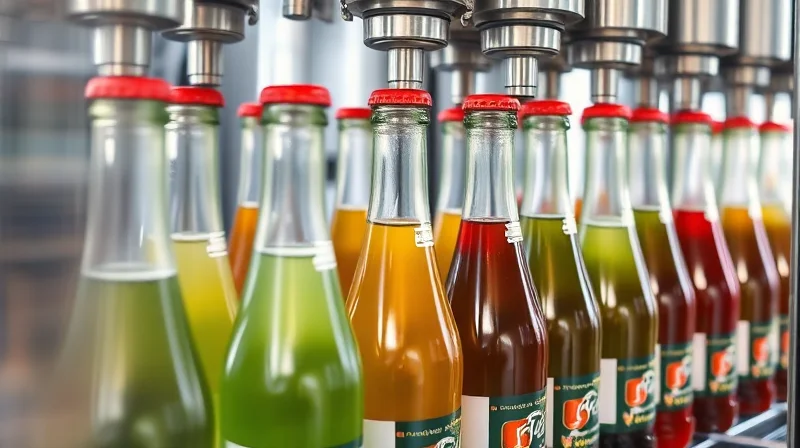
What Are the Key Features of a Carbonated Drink Filling Machine?
Understanding the core components and functionalities of a carbonated drink filling machine is crucial to appreciating its impact on production. These machines are sophisticated pieces of equipment designed to handle the unique challenges of carbonated beverages, from maintaining CO2 levels to ensuring accurate fill volumes. SCA DIRECTORY OF OCCUPATIONS Fifth Edition ✓Key features of a carbonated drink filling machine include a filling head designed to minimize CO2 loss, a precise volume control system, a hygienic design for food safety, and automated controls for consistent operation. Many machines also incorporate cleaning-in-place (CIP) systems for easy maintenance.
Let's break down some of these key features:
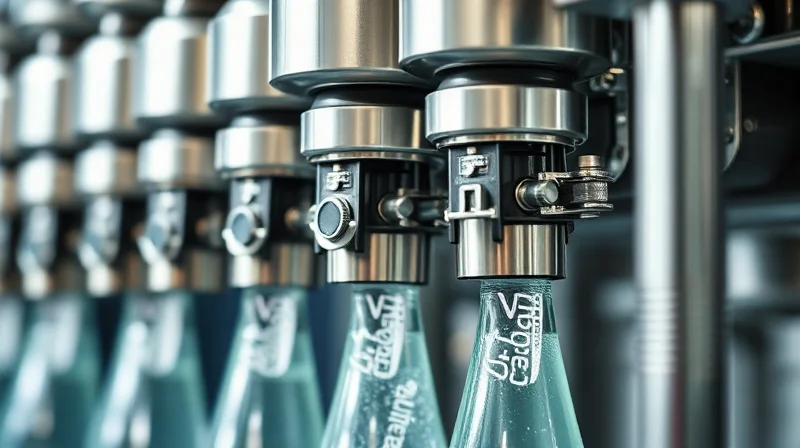
- Filling Heads: These are the heart of the machine, carefully designed to fill each container with minimal turbulence and CO2 escape. Different types of filling heads exist, each optimized for specific container types and fill volumes.
- Volume Control Systems: Accuracy is paramount. Modern machines use volumetric or gravimetric filling systems to ensure each bottle or can receives the precise amount of beverage.
- Hygienic Design: Food safety is a top priority. Machines are built with stainless steel and designed for easy cleaning and sterilization, preventing contamination.
- Automated Controls: Programmable logic controllers (PLCs) manage the entire filling process, ensuring consistent operation and allowing for quick adjustments to different product types and fill volumes.
- CIP Systems: Cleaning-in-place systems automate the cleaning and sanitization process, reducing downtime and labor costs.
How Does Automation Improve Filling Efficiency?
Automation is the backbone of any modern manufacturing process, and carbonated drink filling is no exception. By automating key tasks, these machines significantly reduce manual labor, improve accuracy, and increase throughput. This translates directly into higher production volumes and lower operating costs. Robots and the Economy - The Role of Automation in Driving ... ✓Automation improves filling efficiency by replacing manual tasks with automated processes, resulting in faster filling speeds, reduced errors, consistent fill levels, and minimized downtime. Automated controls allow for quick adjustments and optimization of the filling process.
Here's how automation enhances filling efficiency:
- Reduced Manual Labor: Automation eliminates the need for manual bottle handling, filling, and capping, freeing up workers for other tasks.
- Increased Speed: Automated machines can fill hundreds or even thousands of bottles or cans per minute, far exceeding the capacity of manual filling.
- Improved Accuracy: Automated volume control systems ensure consistent fill levels, minimizing product waste and ensuring compliance with regulations.
- Reduced Downtime: Automated cleaning and maintenance systems minimize downtime, allowing for continuous operation.
- Enhanced Control: Programmable logic controllers (PLCs) provide precise control over the entire filling process, allowing for quick adjustments and optimization.
What Types of Carbonated Drink Filling Machines Are Available?
Not all carbonated drink filling machines are created equal. Different types of machines are designed for different production volumes, container types, and beverage characteristics. Understanding the various options available is crucial to selecting the right machine for your specific needs. PIC/S GUIDE TO GOOD PRACTICES FOR THE PREPARATION OF ...✓Common types of carbonated drink filling machines include rotary fillers, inline fillers, counter pressure fillers, and gravity fillers. Rotary fillers are ideal for high-speed production, while inline fillers are suitable for smaller production runs and different container sizes. Counter pressure fillers help maintain carbonation, and gravity fillers are a cost-effective option for less carbonated beverages.
Here's a brief overview of some common types:
- Rotary Fillers: These machines feature a rotating carousel with multiple filling heads, allowing for continuous high-speed filling. They are ideal for large-scale production runs.
- Inline Fillers: Inline fillers are designed for smaller production runs and can accommodate a wider range of container sizes and shapes.
- Counter Pressure Fillers: These machines maintain a constant pressure inside the bottle during filling, minimizing CO2 loss and ensuring optimal carbonation. They are essential for highly carbonated beverages.
- Gravity Fillers: Gravity fillers rely on gravity to fill the containers. They are a cost-effective option for less carbonated beverages.
| Type of Filler | Production Speed | Container Types | Carbonation Level | Cost |
|---|---|---|---|---|
| Rotary Filler | High | Standard bottles and cans | High to Low | High |
| Inline Filler | Medium | Various sizes and shapes | High to Low | Medium |
| Counter Pressure Filler | Medium to High | Bottles and cans | High | Medium to High |
| Gravity Filler | Low to Medium | Bottles | Low | Low |
What Factors Should I Consider When Choosing a Machine?
Investing in a carbonated drink filling machine is a significant decision. Several factors must be considered to ensure you choose the right machine for your needs and maximize your return on investment. These factors include production volume, container type, beverage characteristics, budget, and maintenance requirements.When choosing a carbonated drink filling machine, consider your production volume, the types of containers you use, the level of carbonation in your beverages, your budget, and the machine's maintenance requirements. Also, evaluate the machine's flexibility, energy efficiency, and the supplier's reputation.
Here's a checklist of factors to consider:
- Production Volume: How many bottles or cans do you need to fill per hour? This will determine the required speed and capacity of the machine.
- Container Type: What types of bottles or cans will you be filling? The machine must be compatible with your container types.
- Beverage Characteristics: What is the carbonation level of your beverage? Highly carbonated beverages require specialized filling machines.
- Budget: How much are you willing to spend on the machine? Consider both the initial cost and the ongoing operating costs.
- Maintenance Requirements: How easy is the machine to maintain and repair? Look for machines with readily available spare parts and good service support.
- Flexibility: Can the machine handle different container sizes and beverage types? This is important if you plan to expand your product line in the future.
- Energy Efficiency: How much energy does the machine consume? Look for energy-efficient models to reduce your operating costs.
- Supplier Reputation: Choose a reputable supplier with a proven track record of providing reliable machines and excellent customer support.
Conclusion
Investing in a carbonated drink filling machine is a game-changer for beverage producers. By automating and streamlining the filling process, these machines significantly boost production, improve efficiency, and reduce operating costs. From maintaining optimal carbonation levels to ensuring accurate fill volumes, modern filling machines are designed to meet the unique challenges of carbonated beverage production. By carefully considering your specific needs and choosing the right machine, you can unlock new levels of productivity and competitiveness in the ever-evolving beverage market.
What is a CIP system and why is it important?
CIP stands for Cleaning-In-Place. It's an automated system that cleans and sanitizes the internal components of the filling machine without requiring disassembly. This is crucial for maintaining hygiene and preventing contamination, reducing downtime and labor costs.
How do counter pressure fillers help maintain carbonation?
Counter pressure fillers maintain a constant pressure inside the bottle during filling, preventing CO2 from escaping and ensuring the beverage retains its carbonation. This is especially important for highly carbonated drinks like soda and sparkling water.
What are the benefits of using a PLC (Programmable Logic Controller) in a filling machine?
PLCs provide precise control over the entire filling process, allowing for quick adjustments to different product types and fill volumes. They also enable automated monitoring and diagnostics, reducing downtime and improving overall efficiency.