How Does a Carbonated Drink Filling Machine Work?
Ever wondered how your favorite fizzy drink makes its way into that perfectly sealed bottle or can? The process might seem like magic, but it's all thanks to the ingenuity of carbonated drink filling machines. These complex machines are essential for the mass production of sodas, sparkling waters, and other effervescent beverages. They ensure consistent fill levels, minimize product loss, and maintain the drink's carbonation, all while operating at high speeds. Without them, enjoying a refreshing, bubbly beverage would be a much more difficult and expensive endeavor. From small-scale artisanal producers to massive bottling plants, these machines are the unsung heroes of the beverage industry.A carbonated drink filling machine works by employing a multi-stage process that typically involves pre-pressurization of the container, filling with the liquid, and then relieving the pressure to prevent foaming and maintain carbonation. The specific type of filling method used, such as counter-pressure filling, depends on the desired production rate and the characteristics of the beverage. These machines are designed to minimize CO2 loss and ensure consistent fill levels.
So, how do these fascinating machines actually work? Let's dive into the mechanics and explore the various components that make it all possible. We'll break down the process step-by-step, from the initial container preparation to the final sealing, uncovering the science and engineering behind your favorite carbonated drinks. Get ready to learn how these marvels of engineering bring the fizz to your glass!

What are the Key Components of a Carbonated Drink Filling Machine?
Understanding the different parts of a carbonated drink filling machine is crucial to grasping how it works as a whole. These machines are comprised of several interconnected components, each playing a vital role in the filling process. Let's explore the core elements that make up these complex systems.The main components include the infeed system, filling heads, pressurization system, container handling system, and control system. Each element is essential for ensuring accurate and efficient filling while maintaining carbonation.
- Infeed System: This is where empty containers (bottles or cans) enter the machine. It often includes a conveyor belt and mechanisms for orienting and spacing the containers correctly.
- Filling Heads: These are the nozzles that dispense the carbonated beverage into the containers. Their design is critical for controlling the flow and minimizing foaming. DoD Enterprise DevSecOps Reference Design ✓
- Pressurization System: This component regulates the pressure inside the containers and the filling heads. Maintaining proper pressure is essential for preventing the CO2 from escaping the liquid.
- Container Handling System: This system moves the containers through the various stages of the filling process, ensuring precise positioning under the filling heads.
- Control System: This is the "brain" of the machine, using sensors and programmed logic to monitor and control all aspects of the filling process, including speed, pressure, and fill levels.
- Sealing Station: After filling, this station caps or seals the containers to prevent leakage and maintain carbonation.
How Does the Filling Process Actually Work?
Now that we know the basic parts, let's walk through the actual filling process step-by-step. The process is carefully orchestrated to maintain the drink's carbonation and ensure accurate fill levels. The most common method for filling carbonated drinks is counter-pressure filling, also known as isobaric filling. This method is designed to minimize CO2 loss during the filling process.The filling process involves several stages: pressurizing the empty container with CO2, opening the filling valve to allow the drink to flow in while maintaining equal pressure, and then slowly depressurizing the container to prevent foaming before sealing.
- Pre-Pressurization: The empty container is first sealed against the filling head. Then, the container is pressurized with CO2 gas to match the pressure of the beverage in the filling tank. This equalization of pressure is crucial to prevent the drink from immediately foaming when it enters the container.
- Filling: Once the pressures are equalized, the filling valve opens, allowing the carbonated beverage to flow into the container. The CO2 gas in the container vents out through a separate vent tube as the liquid level rises. This maintains the pressure balance and prevents foaming. PIC/S GUIDE TO GOOD PRACTICES FOR THE PREPARATION OF ...✓
- Snifting (Depressurization): After the container is filled to the desired level, the filling valve closes. The pressure inside the container is then slowly released through a process called "snifting." This gradual depressurization prevents a sudden release of CO2, which would cause excessive foaming and product loss.
- Sealing: Finally, the filled container is moved to the sealing station, where a cap or lid is applied to create an airtight seal. This seal is essential for maintaining the drink's carbonation and preventing spoilage.
What are the Different Types of Carbonated Drink Filling Machines?
Not all carbonated drink filling machines are created equal. Different types of machines are designed to handle different production volumes, container types, and beverage characteristics. Understanding these variations is important for selecting the right machine for a particular application.Different types include rotary fillers for high-speed production, inline fillers for flexible production runs, and manual fillers for small-scale operations. The choice depends on factors like production volume, container type, and budget.
- Rotary Filling Machines: These machines feature a rotating carousel with multiple filling heads. They are designed for high-speed, continuous production and are commonly used in large bottling plants.
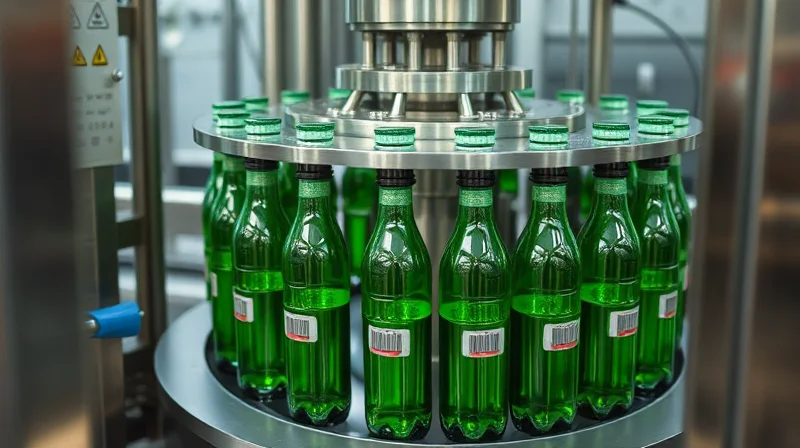
Illustrated view of bottling industry: a rotary filling machine in operation, photorealistic, detailed, high resolution, professional photography, industry standard. - Inline Filling Machines: These machines use a linear conveyor system to move containers through the filling process. They are more flexible than rotary fillers and can be easily adjusted to accommodate different container sizes and shapes.
- Manual Filling Machines: These machines are operated manually and are suitable for small-scale production, such as in craft breweries or small beverage companies.
- Volumetric Filling Machines: These machines fill containers based on volume, dispensing a precise amount of liquid into each container.
- Level Filling Machines: These machines fill containers to a specific level, regardless of slight variations in container volume.
What Factors Affect the Efficiency of a Carbonated Drink Filling Machine?
The efficiency of a carbonated drink filling machine is crucial for maximizing production output and minimizing waste. Several factors can influence the machine's performance, and understanding these factors is essential for optimizing its operation.Factors affecting efficiency include filling speed, fill accuracy, downtime, and CO2 loss. Optimizing these aspects is critical for maximizing production output and minimizing waste.
- Filling Speed: The rate at which the machine can fill containers is a primary determinant of its overall efficiency. Higher filling speeds translate to greater production output.
- Fill Accuracy: Consistent and accurate fill levels are essential for meeting regulatory requirements and maintaining customer satisfaction. Overfilling leads to product waste, while underfilling can result in customer complaints.
- Downtime: Machine downtime due to maintenance, repairs, or changeovers can significantly reduce overall efficiency. Minimizing downtime is crucial for maximizing production output.
- CO2 Loss: Excessive CO2 loss during the filling process can lead to flat or under-carbonated beverages. Minimizing CO2 loss is essential for maintaining product quality and reducing costs. Integrated Pollution Prevention and Control (IPPC) Reference ... ✓
- Container Handling: Smooth and reliable container handling is essential for preventing jams and other disruptions to the filling process.
- Maintenance: Regular maintenance is crucial for ensuring the machine operates at peak performance and preventing breakdowns.
| Factor | Impact on Efficiency | Mitigation Strategies |
|---|---|---|
| Filling Speed | Directly proportional to output | Optimize filling head design, increase machine speed (within limits) |
| Fill Accuracy | Impacts product waste and customer satisfaction | Calibrate filling heads regularly, use level sensors |
| Downtime | Reduces overall output | Implement preventative maintenance schedule, train operators |
| CO2 Loss | Affects product quality and cost | Optimize pressurization and depressurization processes, maintain proper seals |
Conclusion
Carbonated drink filling machines are complex and essential pieces of equipment in the beverage industry. They rely on a combination of mechanical engineering, fluid dynamics, and control systems to efficiently and accurately fill containers while maintaining the drink's carbonation. From the initial pre-pressurization to the final sealing, each step in the filling process is carefully orchestrated to minimize CO2 loss and ensure product quality. By understanding the key components, the filling process, the different types of machines, and the factors that affect efficiency, we gain a deeper appreciation for the technology that brings our favorite fizzy drinks to our tables. As technology advances, we can expect even more efficient and sophisticated filling machines to emerge, further optimizing the production of carbonated beverages.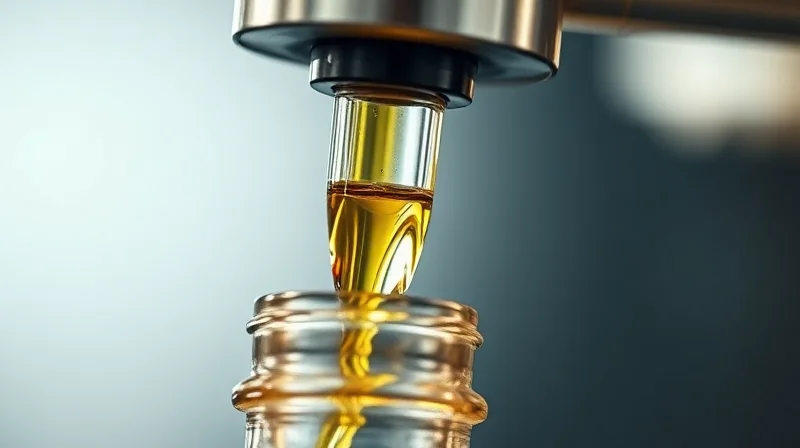
What is counter-pressure filling?
Counter-pressure filling, also known as isobaric filling, is a method used to fill carbonated beverages. It involves pressurizing the empty container with CO2 gas to match the pressure of the beverage in the filling tank. This prevents the drink from foaming when it enters the container, minimizing CO2 loss and ensuring proper carbonation. More on counter-pressure filling
How do I choose the right filling machine for my needs?
The best filling machine for your needs depends on factors like your production volume, the type of containers you use, and your budget. Rotary fillers are ideal for high-speed production, while inline fillers offer more flexibility. Manual fillers are suitable for small-scale operations. different types of filling machines
What are some common problems with carbonated drink filling machines?
Common problems include foaming, inaccurate fill levels, leaks, and machine downtime. Regular maintenance, proper calibration, and operator training can help prevent these issues.
How often should a carbonated drink filling machine be serviced?
The frequency of servicing depends on the machine's usage and the manufacturer's recommendations. However, a general guideline is to perform routine maintenance checks at least monthly and a more comprehensive service annually.