



Spray pasteurization systems

Automatic Tunnel Pasteurizer Machine

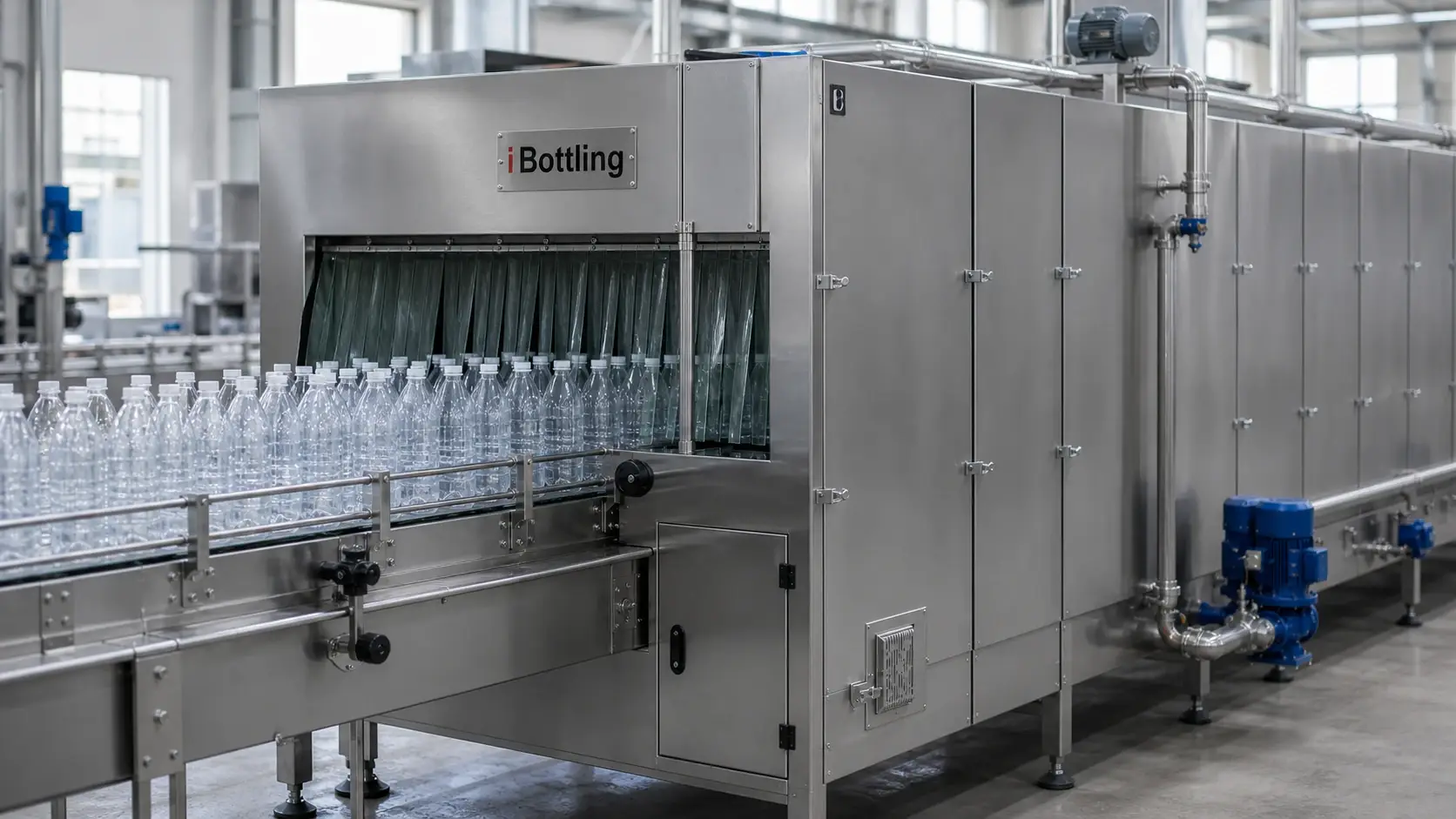
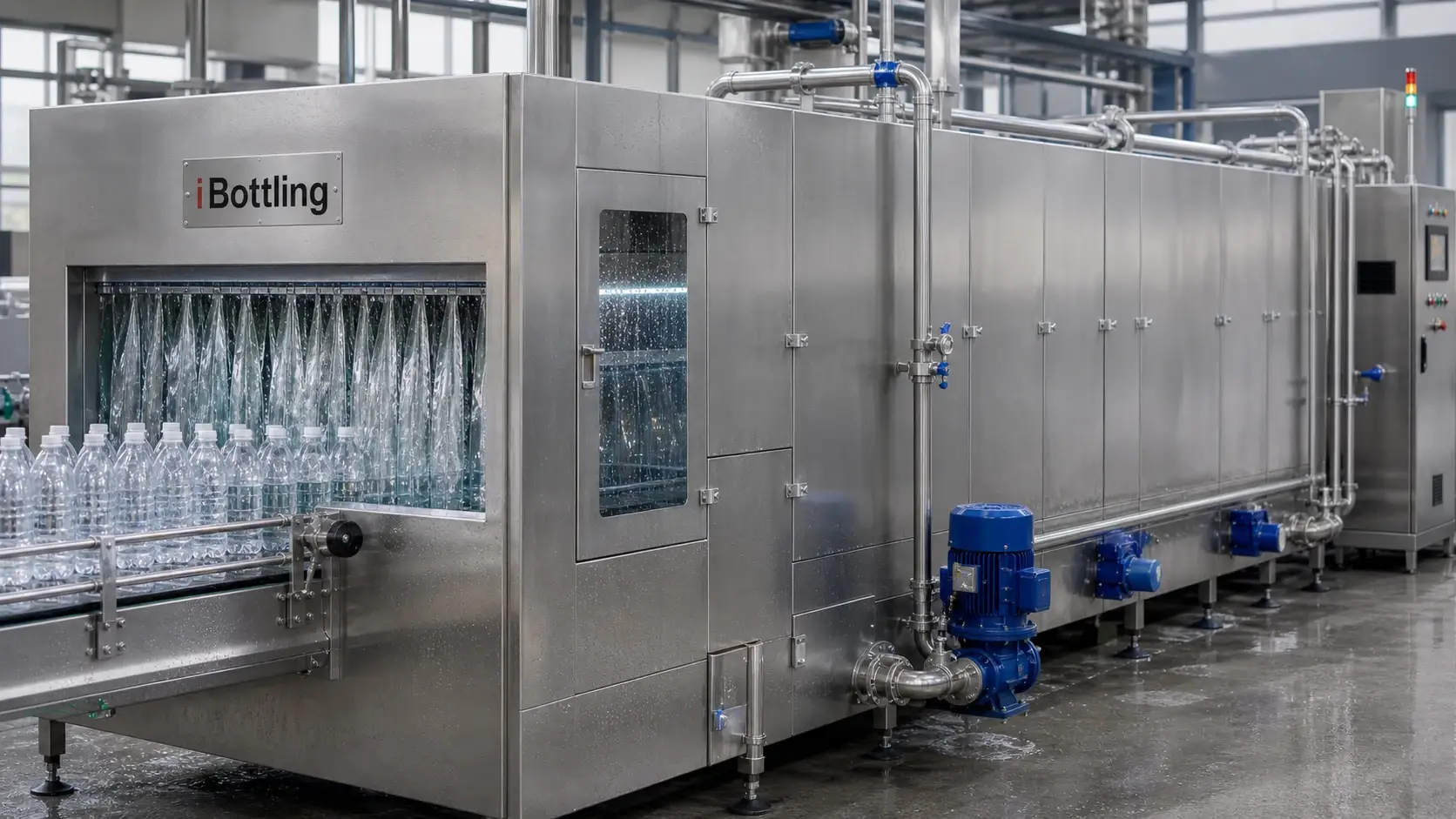
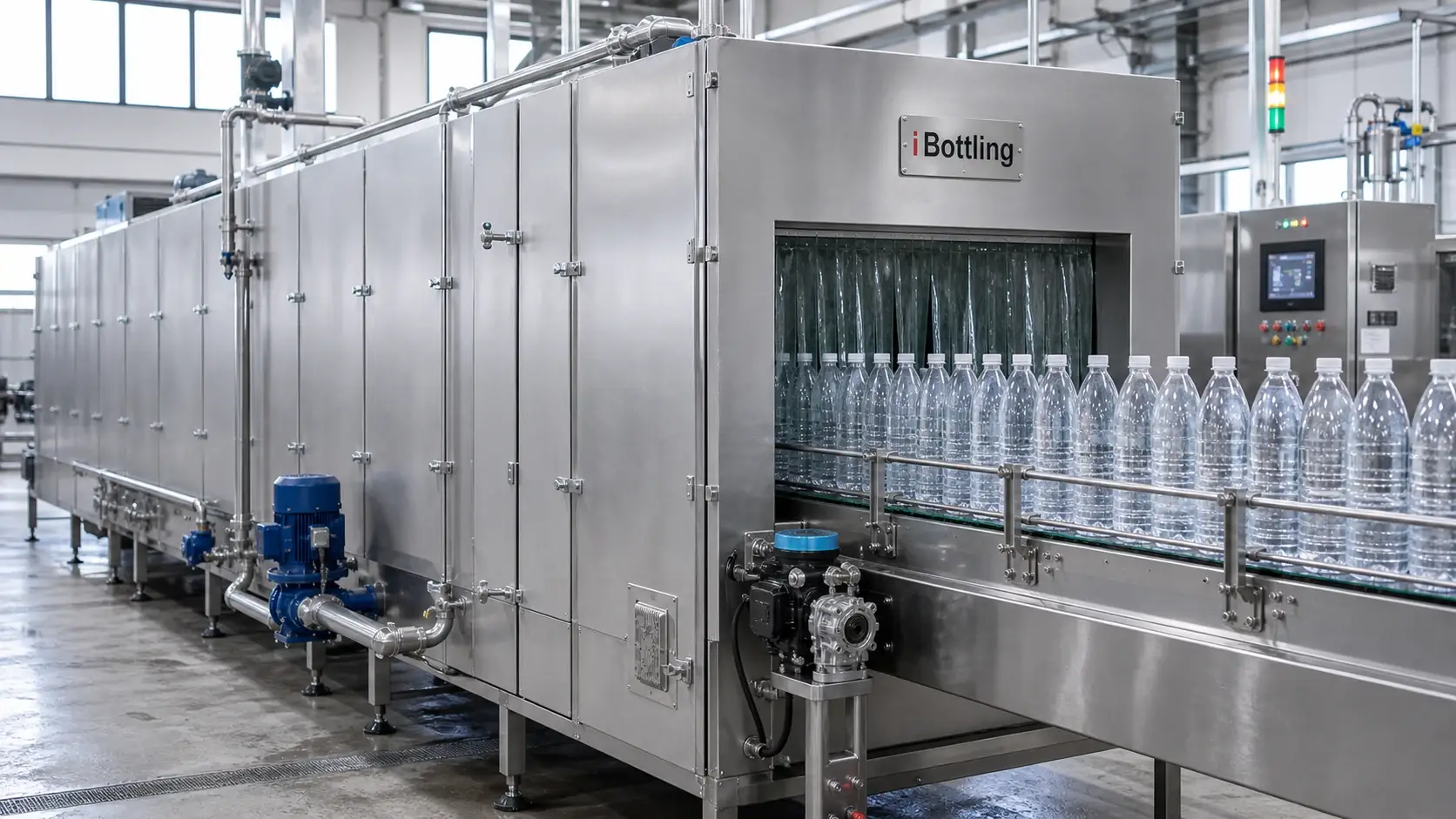
A tunnel pasteurizer machine stabilizes filled bottles or cans after sealing by moving them through controlled spray zones for warming, pasteurization holding, pre-cooling, and final cooling. iBottling treats tunnel length, conveyor speed, spray temperature, PU target, and discharge temperature as RFQ-defined engineering inputs rather than fixed web promises.

Stable bottle handlingStable bottle handling
Quick changeoverQuick changeover

Get a Quote

Since 1995 · CE & ISO 9001 · 150+ countries

Built for beverage packaging project teams

FAT checklistBottle sample reviewThermal profile validationCE documentation planQuality file available
CE documentation prepared by scopeQuality files available with the project file setBottle transfer stabilityPressure-sensitive label stock
Total cost of ownership

Control thermal abuse, under-pasteurization risk, and wet-end bottlenecks after filling.

Tunnel pasteurization economics depend on package type, fill temperature, PU or holding profile, spray-zone balance, steam or hot-water supply, and downstream drying. The purchase problem is not only capacity; it is repeatable heat treatment without damaging flavor, carbonation, closures, labels, or cartons.

Output range
12,000-24,000RFQ
Published domestic rotary configurations show this band; final guaranteed capacity is confirmed by bottle samples, label rolls, and line conditions.
Placement tolerance
±1RFQ
Published rotary benchmark data shows ±1 mm precision; the project tolerance is verified again at peel plate, wipe-down, and discharge inspection.
Automatic Tunnel Pasteurizer Machine rated output equipment

Tunnel Pasteurizer Machine — RFQ-defined spray-zone capacity

Package formats
Glass bottles, PET bottles, cans, and jars reviewed by sample and thermal target
Reference capacity
Supplier references include 4,000 cans/h, 5,000-10,000 bottles/h, and line-specific designs
Thermal profile
Preheat, pasteurize / hold, pre-cool, and cooling zones set by beverage and package
Spray medium
Hot water, warm water, and cooling water circuits with filters and nozzle checks
Bottle Sample FAT
Label Roll Validation
PLC/HMI Recipe Backup
Commissioning Support Plan

Built around controlled heat transfer.

The pasteurizer is a moving thermal tunnel, not a simple warmer. Each zone has to raise, hold, and release package temperature without sudden shock, trapped moisture, or downstream pressure swings.

Label path clarity

Spray headers, water tanks, circulation pumps, and filters are arranged so operators can inspect nozzle coverage and water return.

Bottle transport stability

Variable conveyor speed and zone temperature control define holding time, pasteurization units, and outlet condition.

Operator-friendly access

Access doors, drain points, and wet-area stainless surfaces are specified around cleaning, maintenance, and safe recovery.

Pasteurization control points.

Thermal profile

Zone temperature and conveyor time must match the beverage, package, and shelf-life target.

Spray coverage

Nozzle uniformity and filtered circulation reduce cold spots, overheating, and fouled spray patterns.

Wet discharge

Cooling and drying handoff must leave packages ready for coding, pasteurization, packing, or palletizing.

The Core: Infeed. Warm. Pasteurize. Pre-cool. Cool. Discharge.

After filling and sealing from an upstream glass bottle beverage filling machine or can line, containers enter the tunnel on a moving chain or mesh belt. The first zones reduce temperature shock, the middle zones deliver the holding profile, and the final zones bring packages back toward a downstream-safe discharge condition before laser date coding and shrink wrapping .

Tunnel pasteurizer infeed stage with incoming sealed bottles entering warming spray zones before thermal holding.

Infeed warming

  • Filled and sealed packages enter in a stable lane before thermal treatment.
  • Preheat spray reduces sudden package shock before the pasteurization hold.
  • Conveyor speed, chain width, and accumulation behavior are checked against line output.
Tunnel pasteurizer core action stage showing spray headers, pasteurization holding zone, and controlled conveyor travel.

Core spray pasteurization

  • Hot-water spray zones deliver the RFQ-defined pasteurization or warming profile.
  • Nozzle coverage, pump flow, filters, and tank temperature are FAT inspection points.
  • Representative domestic data records 68-90°C spray temperature ranges and adjustable 30-40 minute holding windows.
Tunnel pasteurizer discharge stage with cooled containers leaving the tunnel for coding, pasteurization, or packing.

Cooling discharge

  • Pre-cooling and cooling zones bring containers toward downstream-safe temperature.
  • Discharge checks include water carryover, label readiness, coding readiness, and restart after stoppage.
  • Final acceptance ties outlet temperature, package appearance, and downstream packing stability together.

Tunnel Pasteurizer Specification Inputs.

Specification basis before pasteurizer quotation

Package type · target PU / holding time · spray zones · tunnel length · discharge temperature

Engineering & compliance anchors

  • Thermal filePU / temperature profile, zone settings, and outlet-condition records prepared for the quoted scope
  • Machine safetyGuarding, interlocks, E-stops, access doors, and hot-surface warnings reviewed to site standard
  • Wet-area hygieneSUS304 wet tunnel, drain plan, nozzle-filter access, and water-return cleaning points reviewed
  • FAT basisNozzle coverage, conveyor speed, temperature alarms, restart behavior, and discharge dryness tested

The quoted tunnel pasteurizer file set ties thermal profile, spray-zone layout, steam and water utilities, guarding notes, and FAT acceptance records to the actual beverage and package, alongside downstream interfaces such as a laser coding machine and shrink wrapping equipment .

Control and utility modules

Pasteurizer reliability depends on the control cabinet, conveyor drive, temperature instruments, circulation pumps, filters, and spray headers working as one heat-transfer system.

  • PLC / HMI Recipe, alarm, zone temperature, pump, and line-integration logic prepared for FAT review.

  • Temperature control Digital temperature instruments and control valves manage each heating, holding, and cooling zone.

  • Spray circulation Pumps, filters, tanks, and spray headers keep water distribution visible and serviceable.

  • Conveyor drive Variable-speed drive sets residence time and helps recover after stoppage or line-speed changes.

ItemSpecification
Pasteurizer typeContinuous spray tunnel pasteurizer / warmer / cooling tunnel
Applicable packagesBottles, cans, and jars reviewed by diameter, height, closure, and fill temperature
Reference tunnel length9 m, 11 m, 22 m supplier examples; project length remains RFQ-defined
Thermal zonesPreheat, pasteurization holding, pre-cool, cooling, and optional drying / drip control
Reference temperature68-90°C spray-zone references; final profile set by beverage and PU target
Holding window
Utilities
Acceptance checks
Utilities and footprintPower, air, conveyor height, roll-loading clearance, and guard footprint confirmed on GA drawing

Pasteurizer integration & layouts.

The layout must reserve steam and water access, drain routes, spray-tank service space, infeed / outfeed conveyors, coding or pasteurization clearance, and safe operator access along the tunnel side.

DWG REF: ADH-LABEL-PLANT-01
5 gallon filling line equipment layout reference with monoblock and process flow arrangement
Heat treatment & water management

Reduce thermal rework, wet discharge, and restart losses in the pasteurization tunnel.

Liner and label waste

Balanced spray zones and filtered circulation reduce cold spots, overheated packages, and rework caused by unstable pasteurization.

Reel-change uptime

Accessible tanks, filters, nozzles, and saved temperature recipes shorten recovery after cleaning, package change, or conveyor stoppage.

Tunnel pasteurizer video slot — fallback visual until a verified product video is selected.

Acceptance should prove the thermal process, not just the machine length: verify spray temperature records, residence time, nozzle coverage, outlet temperature, wet discharge, and restart behavior after line stoppage.
Acceptance proof basis — Acceptance proof basis — thermal profile, spray-zone FAT, and package discharge review
Exported to 150+ Countries24/7 Rapid Response SupportTurnkey Engineering Services

Get a Quote for This Machine

Since 1995 · CE & ISO 9001 · 150+ countries

Tunnel pasteurization for glass bottles and cans

Tunnel pasteurization heats filled and closed containers with water sprays as they pass through warming, holding and cooling zones on a conveyor. It is used for beer, juice and other drinks where the product is pasteurized in the final pack, such as a tunnel pasteurizer for glass bottles after a glass bottle filling machine.

As a pasteurizer in turnkey filling lines, the tunnel sits between the capper and the labeler. Spray-zone capacity is defined from your containers and line speed at RFQ stage. Downstream, dry bottles move on to the OPP labeling machine and the bottle coder. For PET juice that is filled hot instead, compare the hot juice filling machine.

FAQ — tunnel pasteurizer essentials

What products need a tunnel pasteurizer?
Beer, carbonated beverages, juice, tea, and canned or bottled products can be reviewed when the process requires heat treatment or warming after sealing. Final suitability depends on package, closure, fill temperature, carbonation, shelf-life target, and PU or holding-time requirement.
How is capacity defined?
Capacity is RFQ-defined from container size, tunnel chain width, residence time, spray-zone profile, and line-speed stability. Domestic references include 4,000 cans/h and 5,000-10,000 bottles/h examples, but the accepted figure must come from the actual thermal target.
What temperatures are used?
Supplier references show spray-zone ranges around 68-90°C and hot-fill spray treatment around 85°C. iBottling treats the final temperature and holding window as process-defined values verified during FAT.
What utilities should be prepared?
The project normally reviews steam or hot-water supply, cooling water, circulation pumps, drains, electrical power, ventilation for tunnel ends, and access for tanks, filters, and nozzles.
What should FAT prove?
FAT should prove zone temperature records, conveyor residence time, nozzle coverage, outlet temperature, package appearance, alarm logic, restart recovery, and downstream readiness for coding, pasteurization, packing, or palletizing.
What is tunnel pasteurization?
Tunnel pasteurization is a continuous process in which filled, sealed bottles or cans travel through spray zones that warm the product, hold it at pasteurization temperature and then cool it back down, so the drink is pasteurized inside its final container.
Where does a tunnel pasteurizer sit in a turnkey filling line?
In a turnkey filling line, the tunnel pasteurizer is installed after the filler and capper and before labeling and coding. iBottling supplies it as part of complete lines, sized from your container format and line speed.