


Complete bottling process flow chart of bottled water making process as below
Section 1
Section 2
Section 3
Automatic bottle blow molding machine
Semi-automatic blow molding machine
Interactive Process Map
Explore the detailed engineering breakdown of the system above. This interactive schematic highlights the critical Air and Water supply lines feeding the main filler.
Bottle Blowing System High Pressure Compressor → Air Storage Tank → Air Filter → Air Dryer → Air Filter (Compressed Air Feed) ↓ Water Cooler → Auto Bottle Blower or Semi-Auto Blower *Auxiliary Air System: HP Compressor → Filter → Dryer → Filter Water Treatment System RO Water Treatment System ↓ Water Storage Tank ↓↓ Filling and Packaging Line Semi-auto Unscrambler or Auto Unscrambler ↘ Mineral Water Filler(Rinsing/Filling/Capping) Cap Feeder ↙ Light Inspection → Bottle Dryer → Labeling System Sleeve Shrink Labeler or OPP Hot Melt Labeler or Self-Adhesive Labeler ↓ Code Inkjet Printer → Shrink Wrapping Machine → Film Stretch Pallet Wrapper
Need this Schema for your Engineer?
Get this exact diagram in high-resolution vector format (PDF/DWG) for plant layout planning.
What is The Bottled Water bottling process flow chart
The bottled water production process flow chart is comprehensive, involving multiple stages to ensure the highest quality and safety standards. This detailed guide covers each critical step, from water treatment to bottling and packaging, and finally to the blowing line and auxiliary equipment. Here's an overview of the main steps:
Raw Water Sourcing and Pumping
- The bottled water production process begins with sourcing raw water, which is then pumped into the filtration system.
- The raw water pump provides the necessary pressurization for the filtration equipment.
Mechanical Filtration
- A mechanical filter removes impurities such as manganese, iron, and suspended particles larger than 20 microns.
- This step helps to prepare the water for further purification.
Carbon Filtration
- The carbon filter further purifies the water by removing organic compounds, chlorine, and other contaminants.
- This stage helps to improve the taste and odor of the water.
Reverse Osmosis (RO) System / Water Producing Machine
- The RO water producing machine removes dissolved salts, minerals, and microorganisms, producing high-purity water.
- This step ensures the water meets the required quality standards.
Bottle Blowing
- The PET preforms are heated and then blown into the desired bottle shape using a blow molding machine.
- The blow molding machine combines preform heating and bottle blowing in an automated process.
- Precise control of parameters like stretching speed, pressure, and timing ensures proper material distribution and bottle quality.
Bottle Washing and Sterilization
- The bottles are cleaned and disinfected before filling to ensure they are free from any contaminants.
Filling and Capping
- The bottles are automatically filled and capped to maintain the integrity of the product.
Inspection and Packaging
- The filled bottles are inspected for any defects.
- The approved bottles are then packaged for distribution.
The entire bottled water production process flow chart is designed to ensure the safety and quality of the bottled water in compliance with relevant regulations.
Production Line Balance Analysis Tool
Optimize your bottled water factory building plan and water factory design
Analysis Results:
We value your feedback! Please email your suggestions to aquamo@gmail.com
01.
Water treatment for bottling plant process
1) Raw water pump of water making process
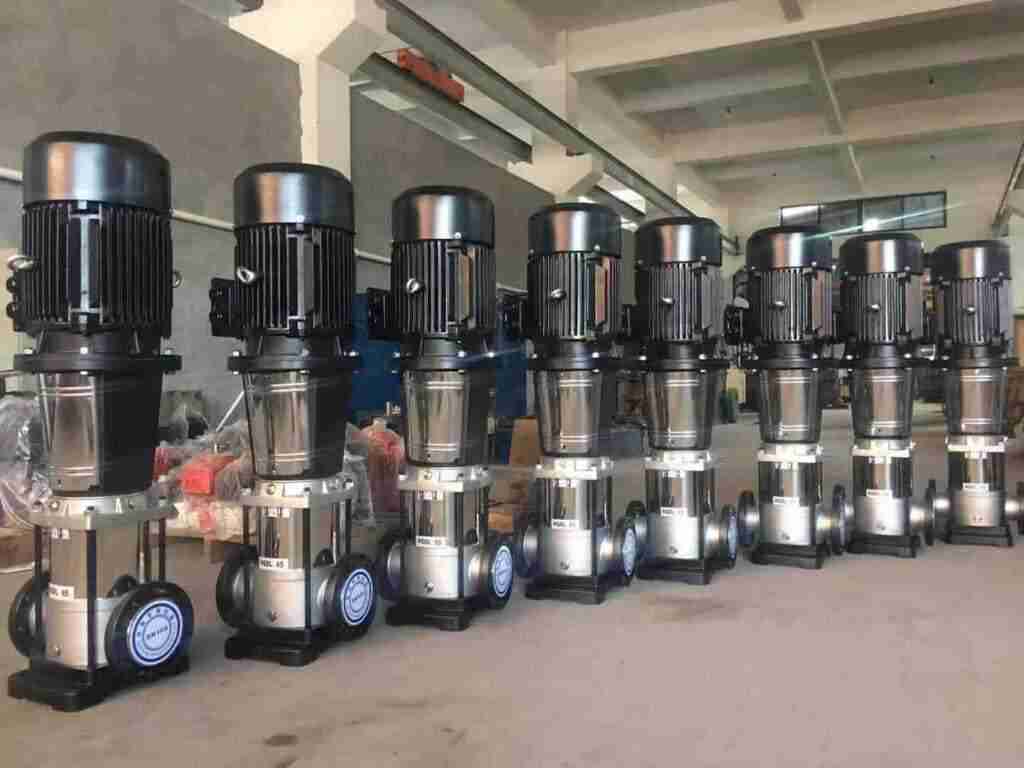
Description: The raw water pump is a critical component that provides the necessary pressure and flow for the pretreatment equipment and the reverse osmosis (RO) system in the bottled water production process flow chart.
Working Principle: The pump pressurizes incoming water to ensure a stable and sufficient inlet pressure for sand filters, carbon filters, and fine filters. This pressure must exceed the permeation resistance of the mechanical filters, enabling efficient water passage and providing a sufficient source for the RO system.
Key Functions:
- Pressurizes raw water.
- Ensures stable inlet pressure.
- Overcomes permeation resistance.
- Provides a reliable water supply for the RO system.
Applications: Bottled water production, municipal water treatment, industrial water purification, desalination and seawater treatment.
Importance in Bottled Water Production: Essential for the efficiency and effectiveness of the water treatment process in the entire bottling process flow chart, ensuring the quality and uniformity of the packaged water produced.
Types of Equipment:
Equipment Type Description Centrifugal Pump Commonly used for raw water pressurization, providing high flow rates and moderate pressure. Positive Displacement Pump Suitable for high-pressure applications, such as RO systems. Submersible Pump Installed directly in the water source, used for drawing water from wells or surface water. Booster Pump Installed downstream of the pretreatment system to further increase pressure for the RO system. Maintenance and Considerations:
- Regular inspection and maintenance, including cleaning, lubrication, and impeller replacement.
- Monitoring of pump performance, including flow rate, pressure, and energy consumption.
- Proper sizing of the pump based on the system’s water demand and pressure requirements.
- Ensuring the pump is compatible with the water quality and any potential corrosive or abrasive substances.
Raw Water Pump Efficiency Calculator
Optimize your bottled water factory design with our flow production efficiency tool.
Pump Efficiency:
We value your feedback! Please send your comments to aquamo@gmail.com
2) Mechanical filter
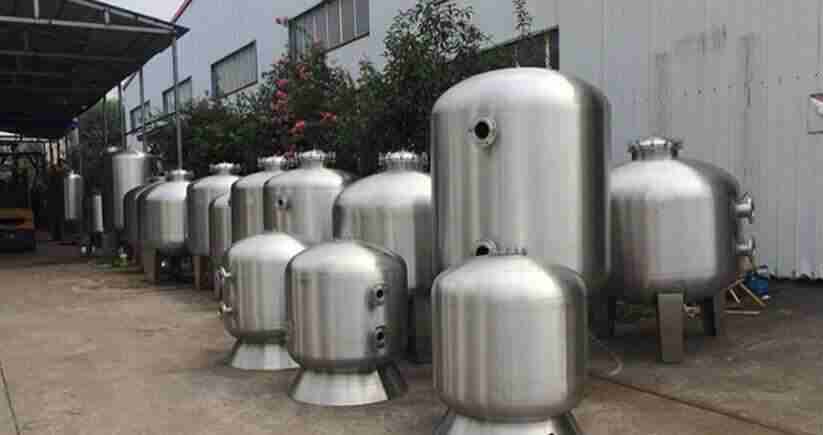
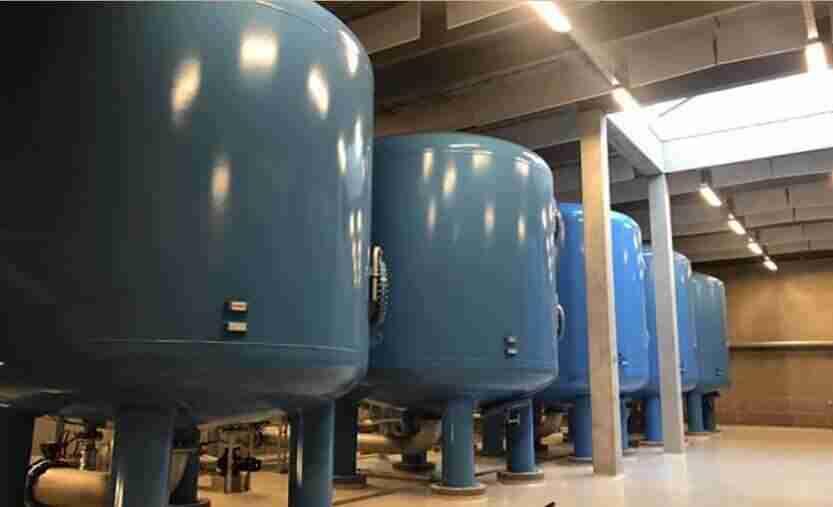
Description: Also known as the quartz sand filter, this multi-layered filtration device removes manganese, iron, heavy metals, silt, rust, colloidal matter, and suspended particles larger than 20 microns from raw water.
Working Principle: Performs backwashing and forward washing to ensure consistent water output and prolong equipment lifespan.
Key Functions:
- Removes mechanical impurities, colloids, microorganisms, organic matter, and active chlorine from raw water.
- Provides pre-treatment for downstream processes like reverse osmosis and ion exchange.
- Improves water quality and extends the lifespan of water treatment systems.
Applications: Bottled water production, municipal water treatment, industrial water purification, surface and groundwater treatment.
Importance in Bottled Water Mineral Water Process Flow Chart: Vital water bottling process steps in the pretreatment for phase by removing turbidity, suspended solids, and other contaminants, ensuring the quality and consistency of the final product and protecting downstream equipment like RO membranes.
Types of Equipment:
Equipment Type Description Filter Cartridge PE, steel-lined rubber, steel-sprayed plastic, stainless steel, fiberglass-reinforced plastic. Filter Media Quartz sand, activated carbon, manganese sand, anthracite. Filter Configuration Single-flow, double-flow. Maintenance and Considerations:
- Regular backwashing and forward washing to maintain filter performance.
- Monitoring pressure drop and turbidity levels to determine filter element replacement.
- Proper selection of filter media based on water quality and treatment requirements.
- Ensuring the filter is sized correctly to handle the system’s flow rate and water demand.
Mechanical Filter Capacity Calculator
Optimize your bottled water factory design with our filter sizing tool
We value your feedback! Please send your comments to aquamo@gmail.com
3) Activated carbon filters
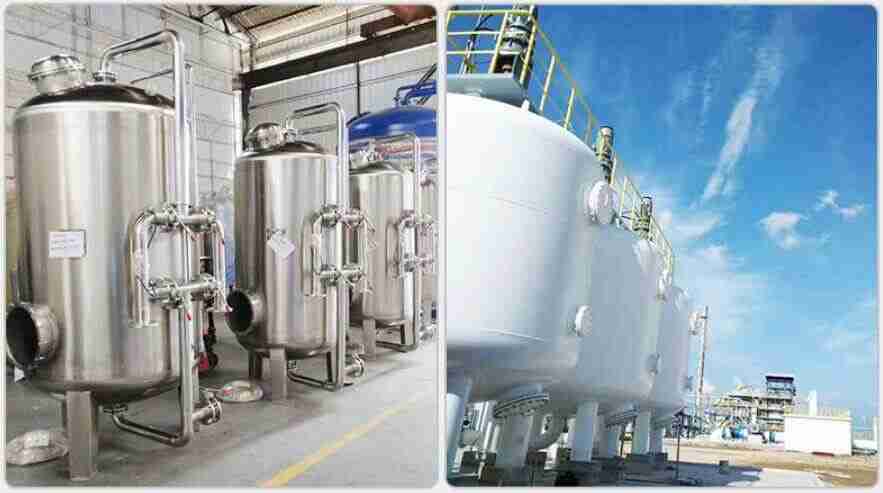
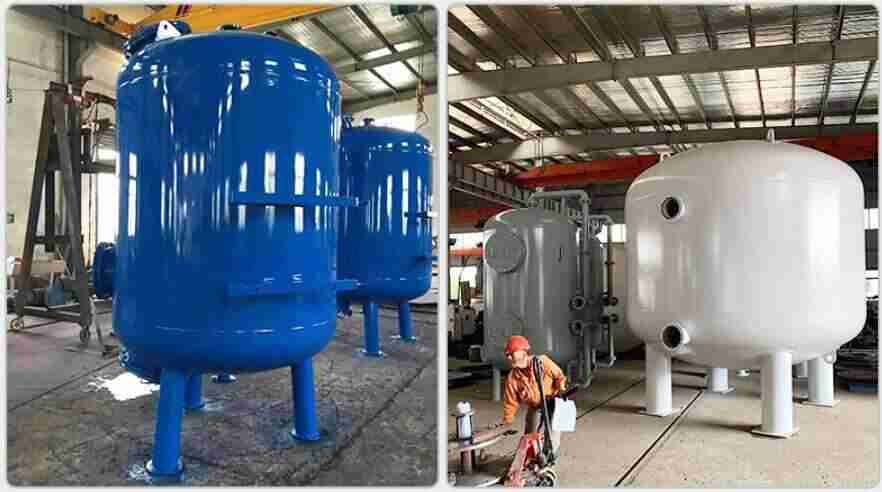
Description: Activated carbon filters effectively remove residual chlorine, organic molecules, colloids, pigments, and heavy metal ions, ensuring water quality and extending downstream equipment lifespan.
Working Principle: Operate on the principle of adsorption, capturing contaminants on activated carbon particles.
Key Functions:
- Removal of residual chlorine to protect downstream equipment.
- Adsorption of organic molecules, colloids, pigments, and heavy metals.
- Reduction of COD and SDI values to improve water quality.
- Extending the lifespan of RO membranes and ion exchange resins.
Applications: Pretreatment for reverse osmosis and desalination systems, drinking water purification, industrial water treatment, wastewater treatment.
Importance in Mineral Water Process Flow Chart: Essential in the pretreatment process, ensuring how are bottled water made to guarantee the quality and safety of the final product while protecting the RO system and other downstream equipment.
Types of Equipment:
Equipment Type Description Carbon Type Powdered activated carbon, granular activated carbon. Filter Configuration Single-layer, multi-layer. Housing Material Stainless steel, fiberglass-reinforced plastic. Maintenance and Considerations:
- Regular replacement of activated carbon and sponge layers.
- Monitoring pressure drop and water quality to determine replacement frequency.
- Proper cleaning of new activated carbon before installation.
- Ensuring the filter is sized correctly to handle the system’s flow rate and water demand.
Activated Carbon Filter Adsorption Capacity Estimator
Optimize your bottled water factory design with this tool
We value your feedback! Please email aquamo@gmail.com with any suggestions.
4) Water softener system
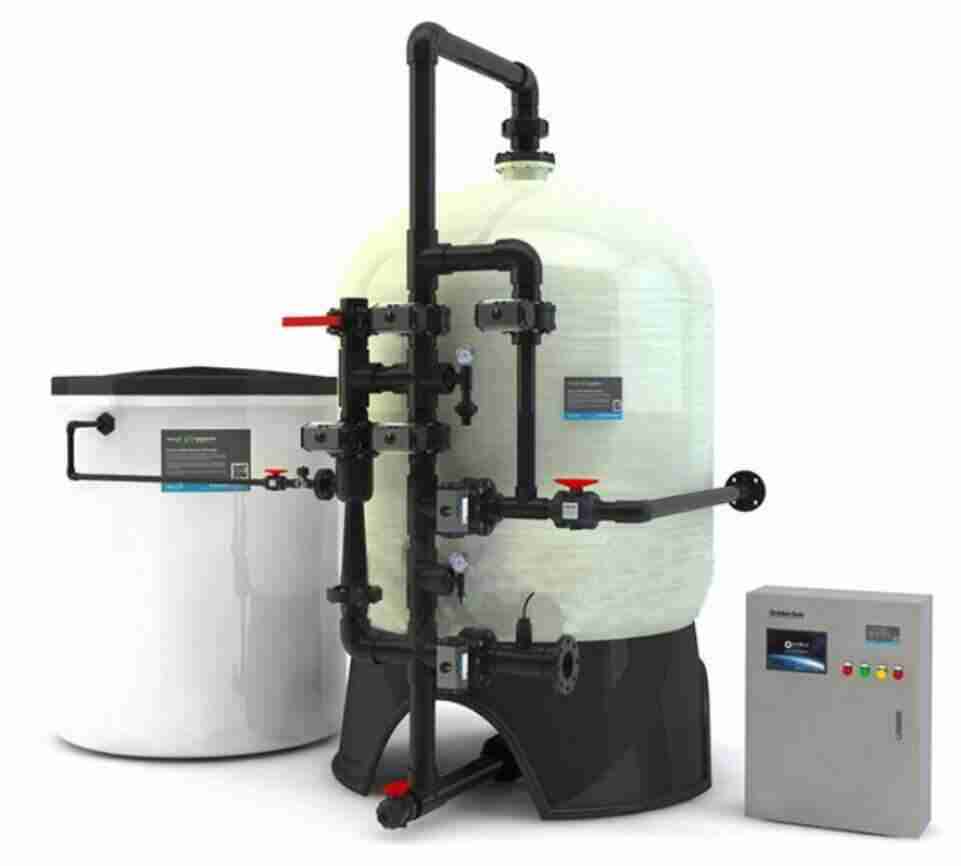
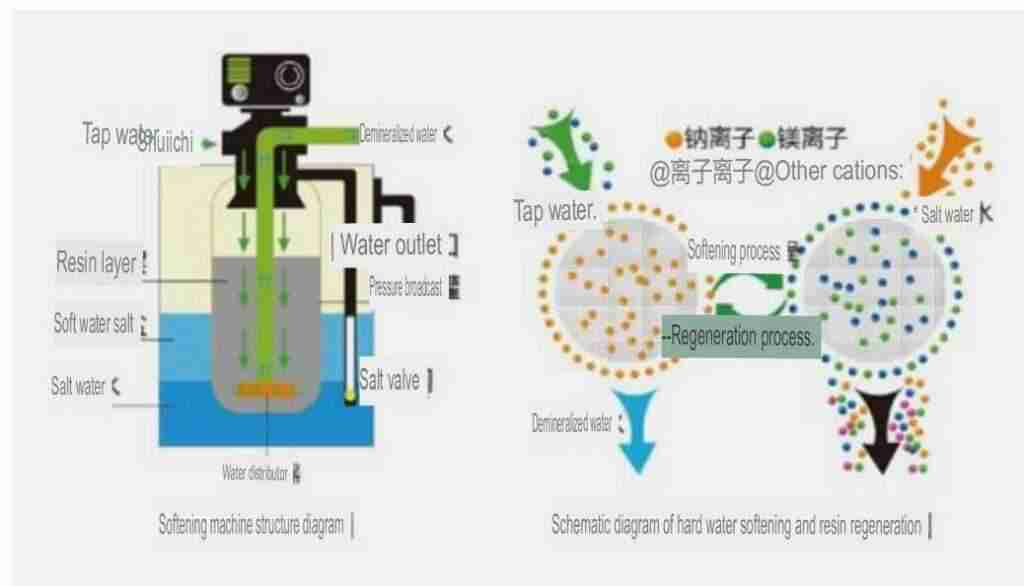
Description: The automatic water softener system removes hardness minerals, such as calcium and magnesium, through ion exchange.
Working Principle: It replaces calcium and magnesium ions with sodium ions, softening the water and preventing scale buildup in plumbing and equipment.
Key Functions:
- Removes hardness minerals.
- Prevents scale buildup.
- Improves the efficiency and lifespan of reverse osmosis systems.
Applications: Residential and commercial water treatment, boiler and cooling tower water treatment, laundry and dishwashing applications, food and beverage, and bottled water processing.
Importance in Table Water Production Process: Maintains the quality and uniformity of the end product by preventing scale buildup in the RO system, extending membrane lifespan and improving water purification efficiency.
Types of Equipment:
Equipment Type Description Softening Tank Contains the ion exchange resin. Controller Manages system operation. Salt Tank and Valve Provides brine solution for resin regeneration. Maintenance and Considerations:
- Regular regeneration of the resin bed to maintain softening capacity.
- Monitoring salt levels in the salt tank.
- Periodic cleaning and maintenance of system components.
- Proper sizing based on water usage and hardness levels.
5) Precision filters
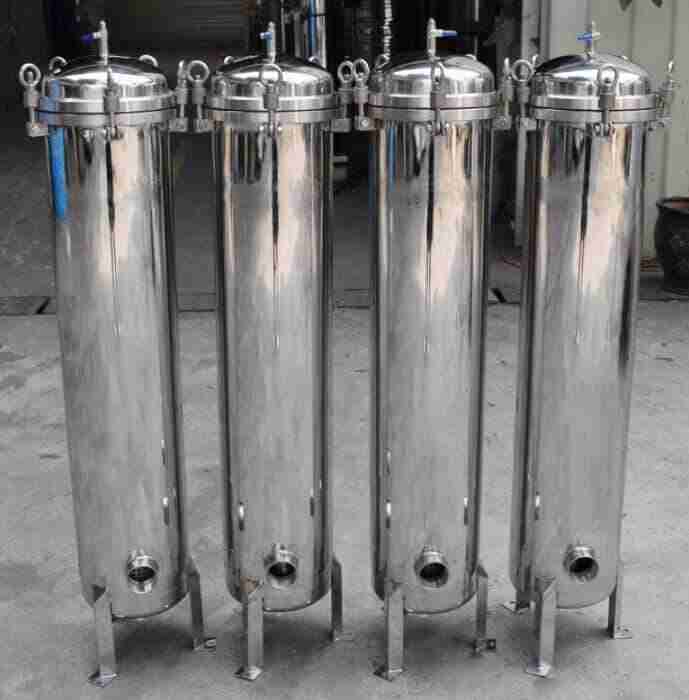
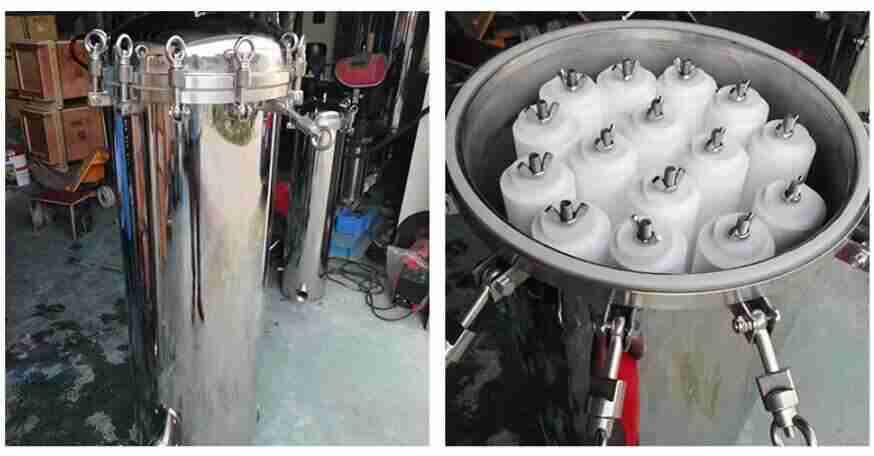
Description: High-performance filtration devices that remove fine particles, impurities, and contaminants from various liquids using different filter elements.
Working Principle: Use various filter media and design processes to meet specific effluent water quality requirements, with filtration precisions ranging from 0.5 to 10 microns.
Key Functions:
- Filtration, clarification, and purification of liquids.
- Removal of fine particles, impurities, and contaminants.
- Ensuring the safety and quality of downstream water and membrane elements.
Applications: Machine for bottle water production, food and beverage industries, pharmaceutical, chemical, water treatment, brewing, petroleum, printing, and dyeing.
Importance in Bottled Water Production: Maintains the purity and safety of the final product by removing fine particles and contaminants, protecting downstream equipment like RO membranes.
Types of Equipment:
Equipment Type Description Filter Housing Primarily made of stainless steel (304 or 316), flange or clamp type. Filter Elements PP meltblown, wire-wound, activated carbon, etc. Filter Configuration Single or multiple elements, depending on processing capacity. Maintenance and Considerations:
- Regular replacement of filter elements based on usage and pressure drop.
- Proper selection of filter media and precision based on application requirements.
- Cleaning and maintenance of filter housing and components.
- Monitoring flow rate, pressure drop, and effluent water quality.
6) Reverse osmosis system
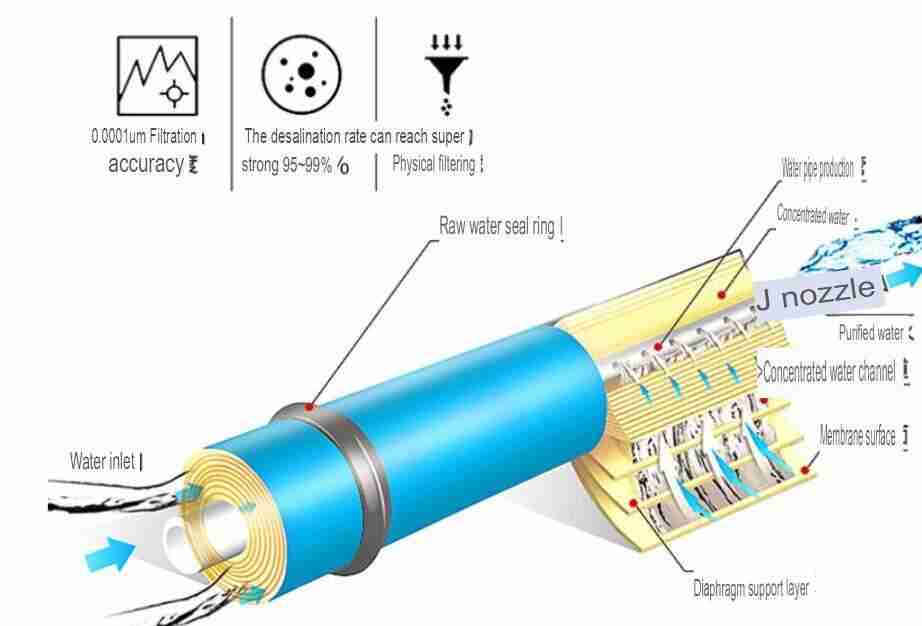
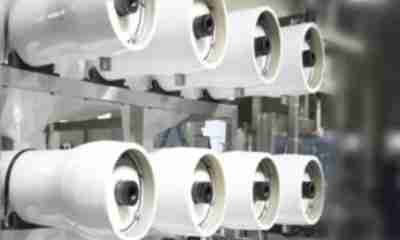
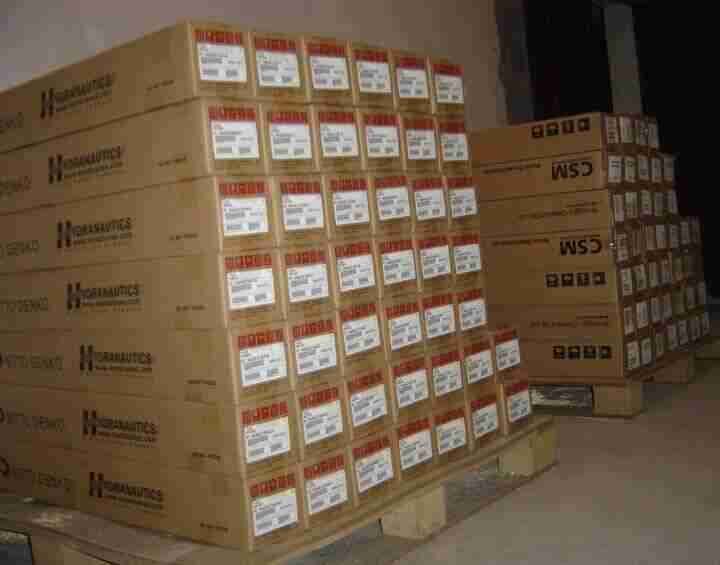
Description: Highly effective water purification technology that uses selective permeation through a semi-permeable membrane to remove dissolved salts, colloids, microorganisms, and organic matter, producing high-purity water in bottled water manufacturing process.
Working Principle: Uses a high-pressure pump to force raw water through the RO membrane, allowing only water molecules to pass through while retaining other contaminants.
Key Functions:
- Removes dissolved salts and impurities.
- Produces high-purity water.
- Energy-efficient and low-pollution technology.
Applications: Bottle water production process, pharmaceutical and electronics manufacturing, seawater and brackish water desalination, industrial water purification.
Importance in Bottled Water Manufacturing Process: Ensures the quality and safety of the final product by eliminating various impurities, adhering to strict industry standards.
Types of Equipment
| RO Membrane Type | Description |
|---|---|
| Brackish Water RO (BWRO) | - Used for feedwaters with relatively low total dissolved solids (TDS) compared to seawater |
| - Require lower operating pressure (125-250 psi) | |
| - Maintain high salt rejection (>95-99%) | |
| - Typical recovery rates of ≥75% | |
| Seawater RO (SWRO) | - Used for seawater or feedwaters with high TDS (35,000 mg/L or greater) |
| - Require much higher operating pressure (800-1200 psi) | |
| - Maintain very high salt rejection (>99.5%) | |
| - Typical recovery rates of 50-70% | |
| Nanofiltration (NF) | - Similar to RO but has lower rejection of monovalent ions like sodium chloride |
| - Highly effective at rejecting divalent ions like magnesium sulfate (>97%) | |
| - Also rejects organic macromolecules to varying degrees | |
| - Operates at lower pressures than traditional RO membranes | |
| Thin-Film Composite (TFC) | - Most common type of industrial RO membrane |
| - Consists of a polyamide top barrier layer, polysulfone support layer, and polyester layer | |
| - Prevents molecules greater than 100 molecular weight from passing through | |
| Cellulose Triacetate (CTA) | - Alternative to TFC membranes |
| - More resistant to chlorine but less effective at salt rejection |
This table covers the key characteristics and applications of the main types of industrial RO membranes, including brackish water, seawater, nanofiltration, and the common membrane materials used (TFC and CTA).
Maintenance and Considerations:
- Regular cleaning and maintenance of the RO membrane to prevent fouling and scaling.
- Monitoring water quality parameters such as TDS, conductivity, and SDI.
- Proper selection of membrane elements based on raw water characteristics and production needs.
- Ensuring the RO system is sized correctly to handle the required water flow and quality.
Reverse Osmosis System Design Tool
Optimize your bottled water factory design with our RO system calculator.
Results:
Membrane Area: m²
Energy Consumption: kWh/m³
We value your feedback! Please email aquamo@gmail.com with any suggestions or comments.
02.
Filling & Packaging of water factory design
1) Air conveyor system
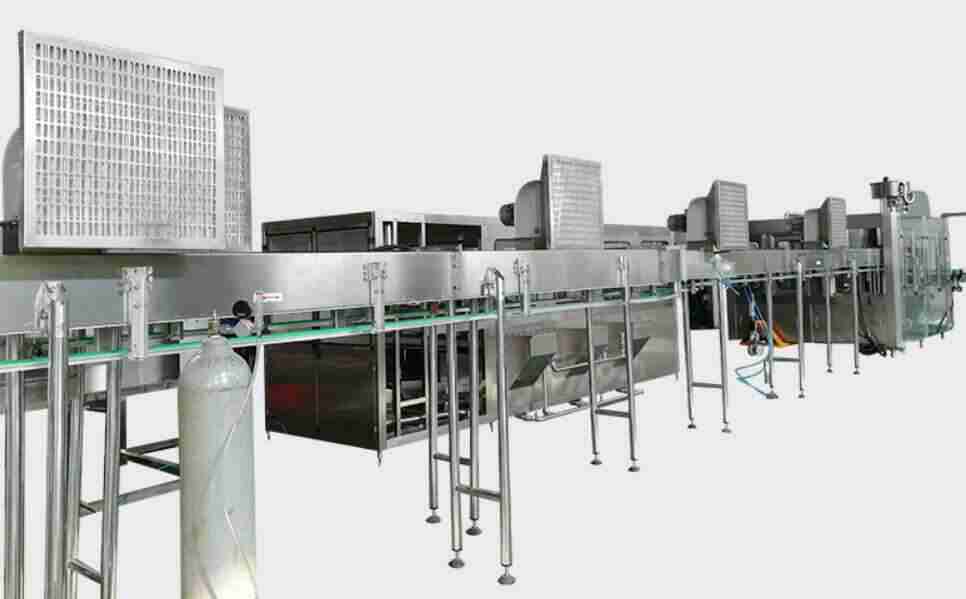
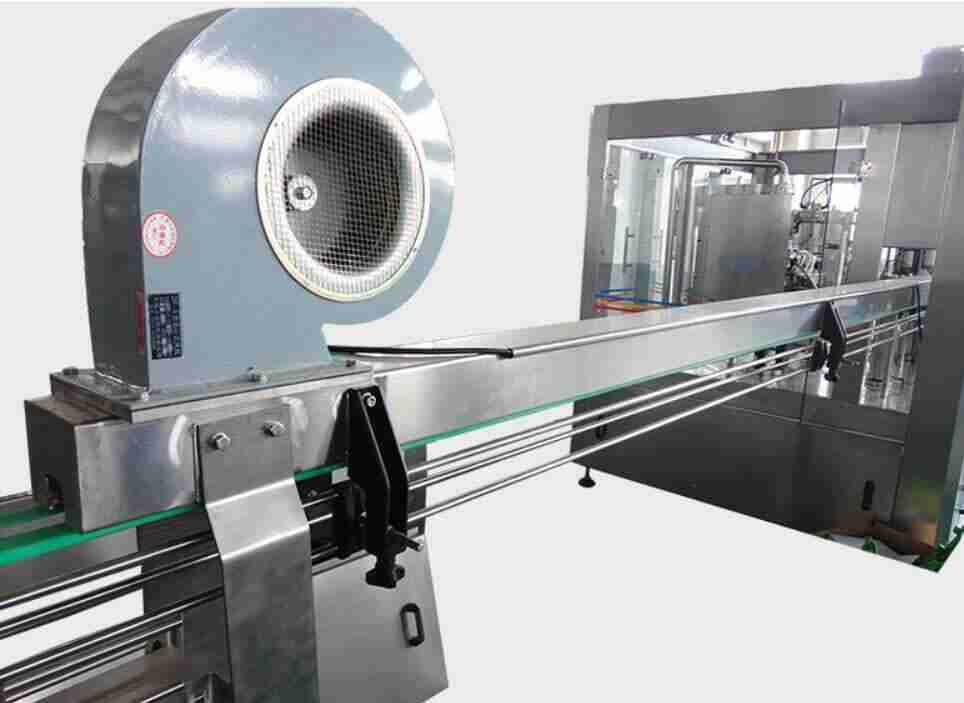
Description: Uses fan-generated wind energy to transport empty PET containers from the bottle blowing machine to the filling or labeling machine.
Working Principle: Wind energy propels the containers through ducts with air storage capabilities, ensuring a stable and continuous flow.
Key Functions:
- Efficient transportation of empty PET containers.
- Compatibility with high-speed water producing machine.
- Gentle handling of containers to prevent damage.
- Flexible layout options for horizontal, vertical, and curved conveyance.
Applications: Bottled water and beverage production, industries requiring the transportation of empty PET containers.
Types of Equipment:
Equipment Type Description Fan Power Unit Provides the wind energy for bottle conveyance. Air Duct Straight, turning, and up-and-down sections made of 304 stainless steel. Bottle Handling Devices Dividing, merging, and dropping mechanisms. Bottle Clamping Devices Ensures stable bottle transport. Maintenance and Considerations:
- Regular cleaning and inspection of the air duct and bottle handling components.
- Monitoring the fan performance and airflow to maintain optimal conveyor operation.
- Adjustments to accommodate changes in bottle size or production requirements.
- Ensuring the system is properly integrated with the bottled water production process flow chart.
2) water bottle filling system of water making process
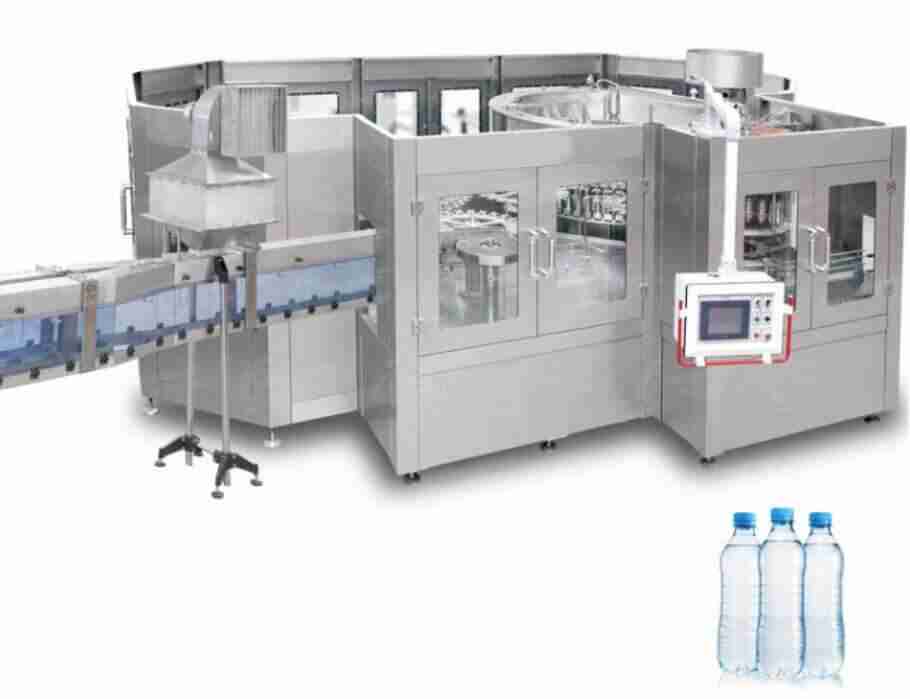
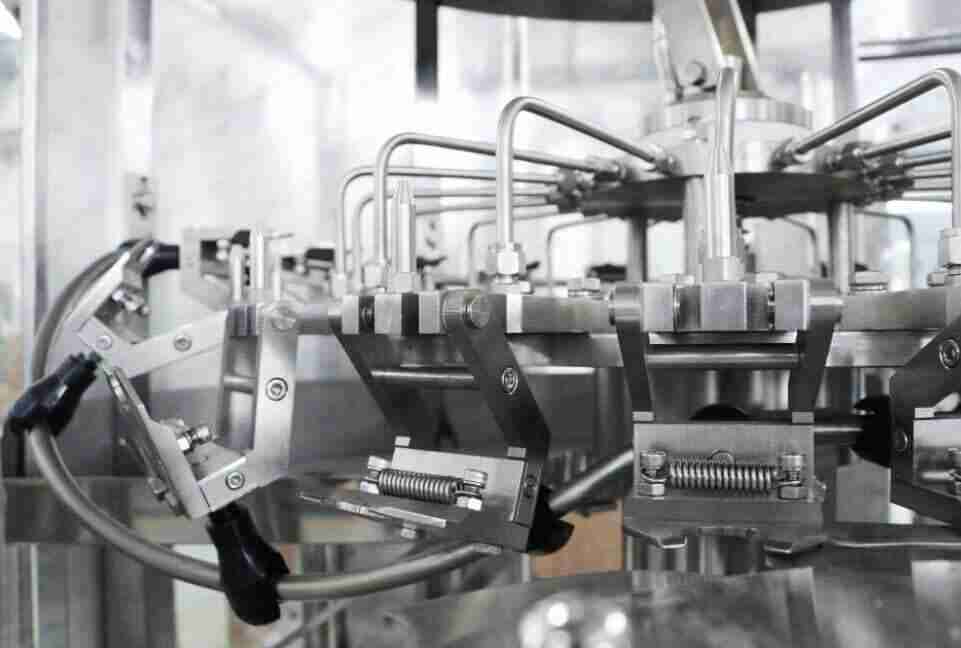
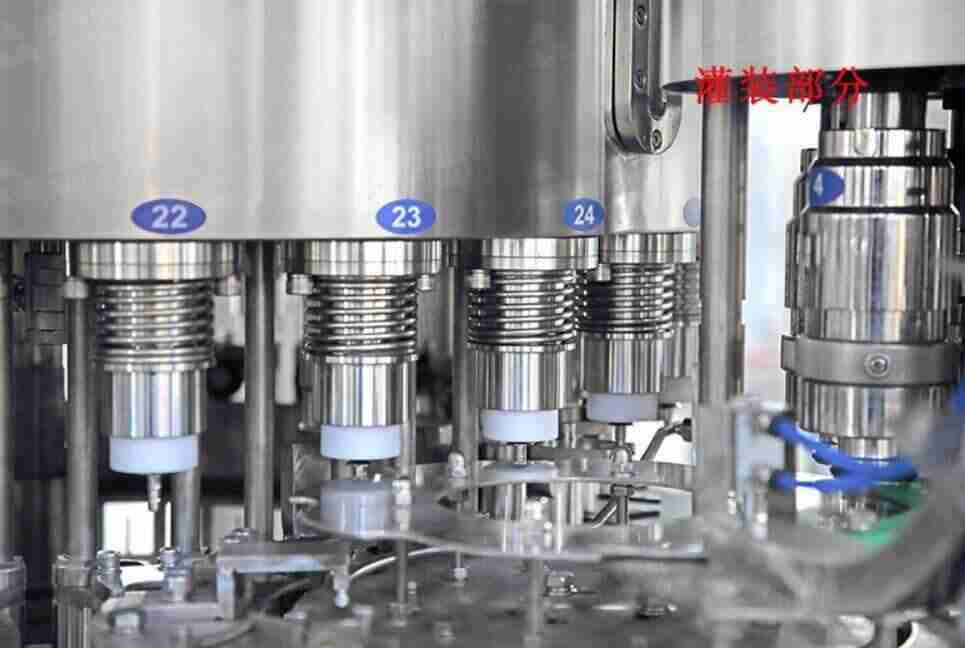
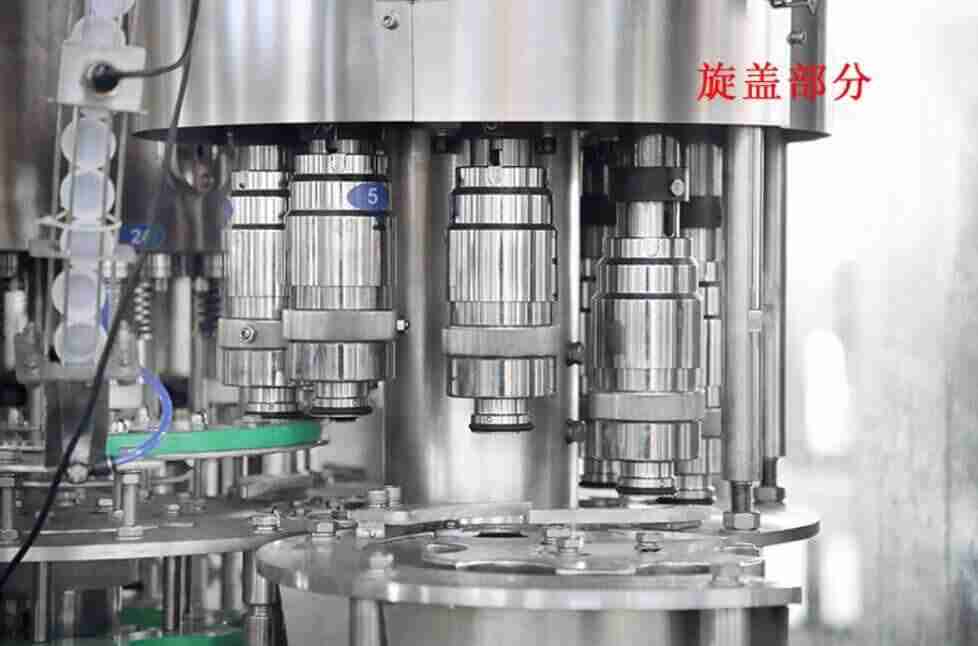
Description: The PET water filling machine automates washing, filling, capping, and other functions with high precision, using advanced electrical components and high-quality stainless steel parts.
Working Principle: A suspended filling equipment design allows operation with various bottle types, sizes, and thicknesses, controlled automatically as automtion bottling process flow chart.
Key Functions:
- Bottle rinsing.
- Bottle filling.
- Screw capping.
- Cap sorting.
Applications: Filling production in bottling process flow chart for 200-2000ml PET water bottles, suitable for a wide range of bottle types and sizes.
Types of Equipment:
Machine Type Description Liquid Bottling Machines Designed to bottle liquids, including water, using volume or weight measurement to fill bottles. Rotary Bottling Machines Have a rotary design where bottles move in a circular motion through the filling, capping, and sealing process. Linear Bottling Machines Have a linear design where bottles move in a straight line through the different filling, capping, and sealing stations. Fully Automatic Bottling Machines Automate the entire bottling process from bottle rinsing to capping, requiring only a few operators. Semi-Automatic Bottling Machines Require more manual operation, with steps like bottle loading and unloading done by workers. Gravity, Pressure, and Vacuum Overflow Bottle Fillers Specific types of liquid filling mechanisms used in water bottling machines. Pump Fillers Another type of liquid filling mechanism used in water bottling machines. Maintenance and Considerations in Bottled Water Production Process Flow Chart:
- Regular cleaning and maintenance of the filling valves and other components in contact with water.
- Proper adjustment and calibration of the bottle handling and capping mechanisms.
- Monitoring and addressing any issues with the electrical and control systems.
- Ensuring the availability of spare parts and trained technicians for timely repairs.
Filling Machine Efficiency Calculator
Optimize your bottling plant process with our efficiency calculator.
We value your feedback! Please email aquamo@gmail.com with any suggestions.
3) Cap feeder machine
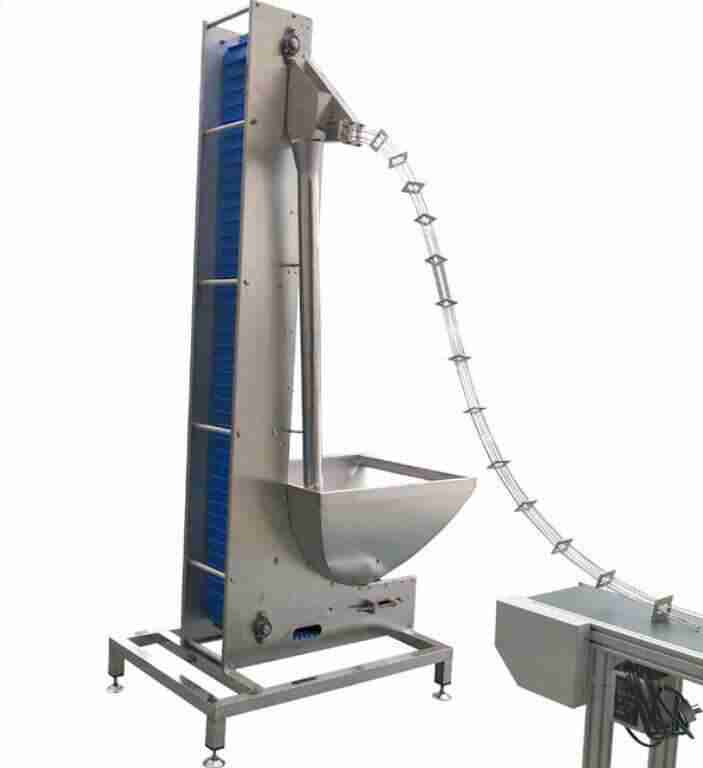
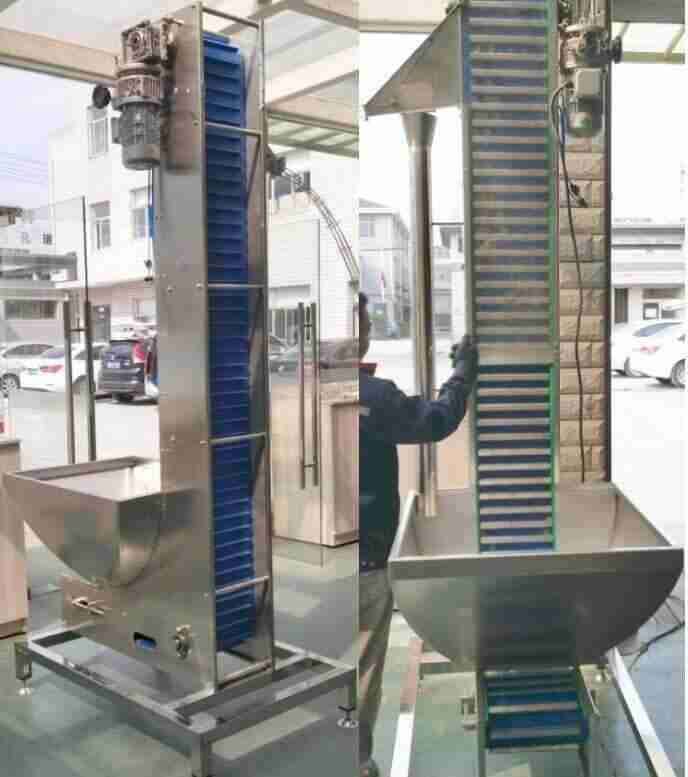
Description: The cap feeder machine in bottled water production process flow chart sorts and feeds caps automatically, using standardized and interchangeable parts.
Working Principle: It arranges caps using their center of gravity, ensuring smooth output.
Key Functions:
- Automatic cap feeding and arrangement.
- Automatic cap removal.
Applications: Can be used in bottling process flow chart with three-in-one filling machines or separate capping machines, suitable for various types of caps.
Types of Equipment:
Equipment Type Description Three-Screw Cap Sorting and Capping Machine Designed based on the characteristics of three-screw caps, with different weights on both sides. Other Capping Machines Can be provided for plastic screw caps, aluminum caps, crown caps, and other capping applications. Maintenance and Considerations in Bottled Water Production Process Flow Chart:
- Regular cleaning and maintenance of the cap sorting and feeding mechanisms.
- Monitoring and addressing any issues with the electrical and control systems.
- Ensuring the availability of spare parts and trained technicians for timely repairs.
- Adjusting the production capacity based on the specifications and characteristics of the product.
4) Fully automatic bottle blow dryer
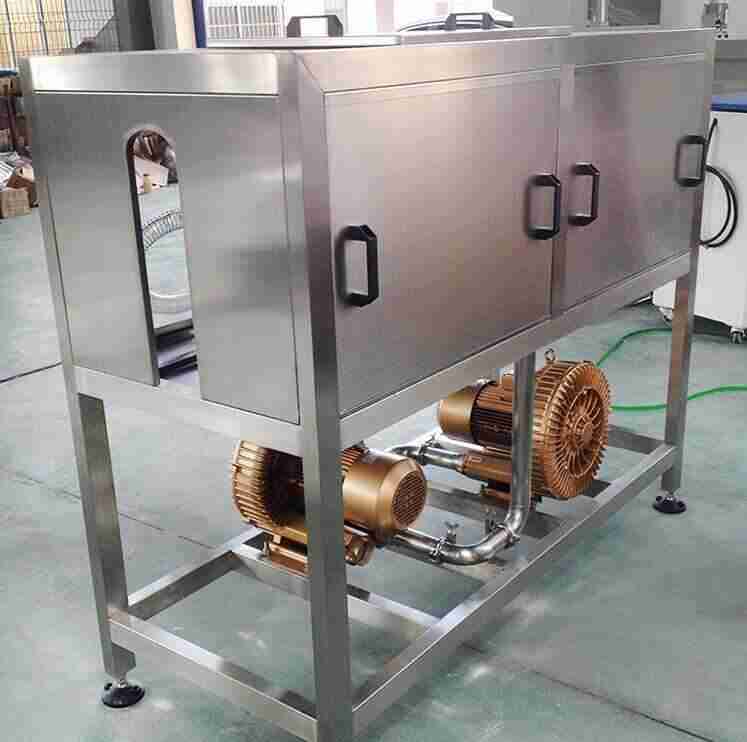
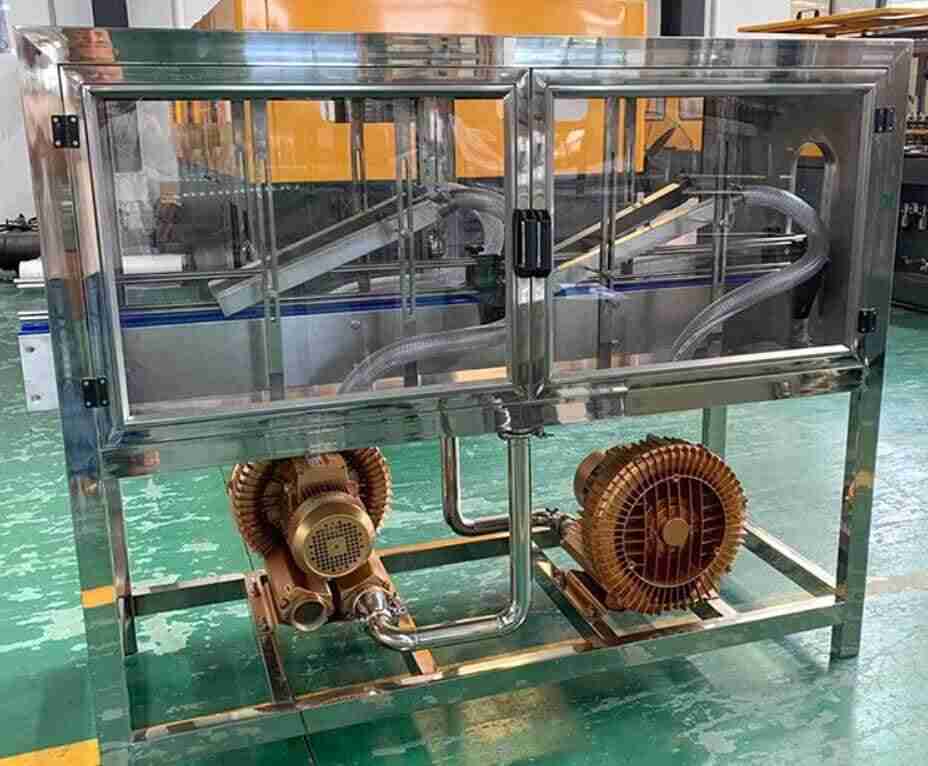
Description: The blow dryer in the bottled water mineral water process flow chart uses high-pressure air to dry water droplets on bottle surfaces, preparing them for subsequent processing steps like coding and labeling.
Working Principle: It uses wind instead of high temperature, suitable for plastic bottles that are not heat-resistant.
Key Functions:
- Dries water droplets using high-pressure air.
- Facilitates coding, labeling, and packaging.
Applications: Suitable for drying various types of plastic bottles, can be used in water bottling production lines.
Components of Equipment:
Component Description Air Knife Generates high-pressure air flow to dry the bottles. Vortex Fans High-powered vortex fans produce the necessary air volume. Frame Made of stainless steel and glass, providing a sturdy structure. Heating System High-pressure vortex pump generates heat during operation. Electrical Controls Includes control box for easy operation and monitoring. Conveyor Automatically feeds the containers through the drying chamber. Sensors Detect the presence of containers and control the drying cycle. Maintenance and Considerations After Water Bottling Process Steps:
- Regular cleaning and maintenance of the air knives and air intake/exhaust components.
- Monitoring and addressing any issues with the electrical and control systems.
- Ensuring the availability of spare parts and trained technicians for timely repairs.
- Adjusting the air knife positioning and airflow based on the bottle dimensions and drying requirements.
5) Laser coding machine
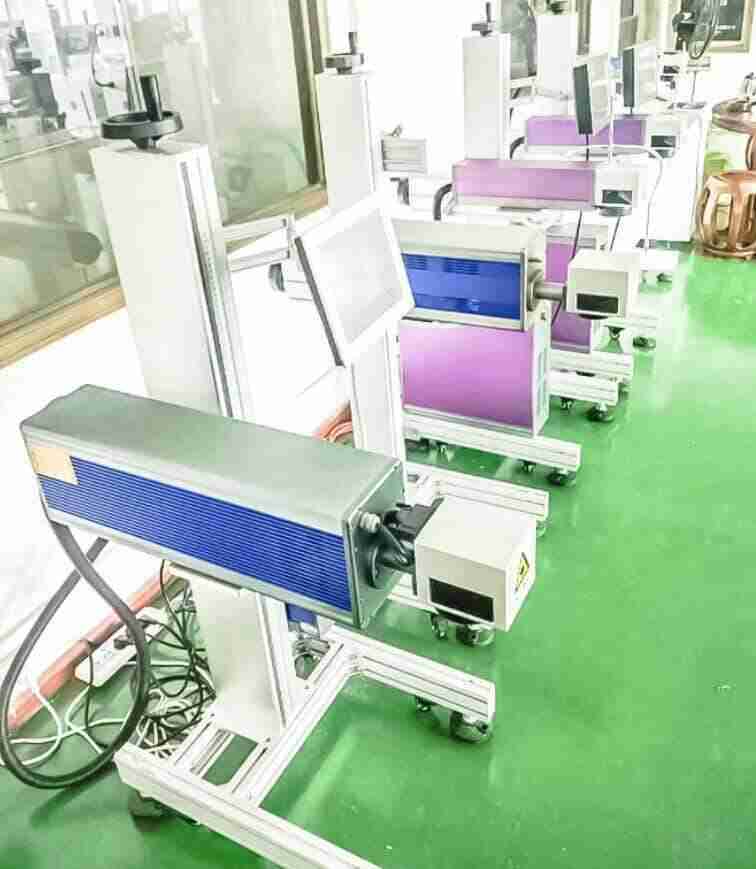
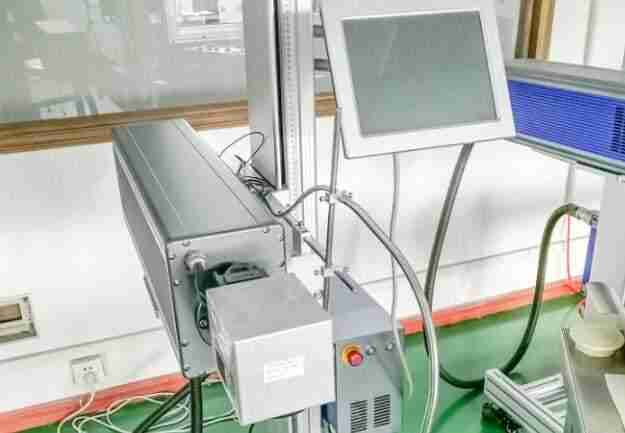
Description: The laser coding machine applies high-quality, permanent text, logos, and barcodes onto bottles and packaging materials.
Working Principle: A focused beam of light precisely etches or marks the desired information onto the target surface.
Key Functions In Mineral Water Process Flow Chart:
- Applies text, logos, and barcodes.
- Provides high-resolution, permanent markings.
Applications: Bottled water production, canned and packaged food and beverages, pharmaceutical and medical device packaging, consumer electronics and industrial product labeling.
Types of Equipment:
Equipment Type Description CO2 Laser Coders Use a carbon dioxide laser to mark on a variety of materials, including plastic, glass, and metal. Fiber Laser Coders Employ a fiber-optic laser for high-speed, high-contrast coding on a wide range of substrates. UV Laser Coders Utilize ultraviolet laser technology to mark on sensitive materials like plastics and films. Hybrid Laser Coders Combine multiple laser technologies to offer versatile coding capabilities. Maintenance and Considerations for How are Bottled Water Made:
- Regular cleaning and maintenance of the laser optics and components.
- Proper alignment and calibration of the laser system.
- Ensuring adequate ventilation and cooling for the laser unit.
- Adherence to safety protocols and guidelines for laser operation.
- Consideration of substrate compatibility and pre-treatment requirements.
6) Self-adhesive labeler machine
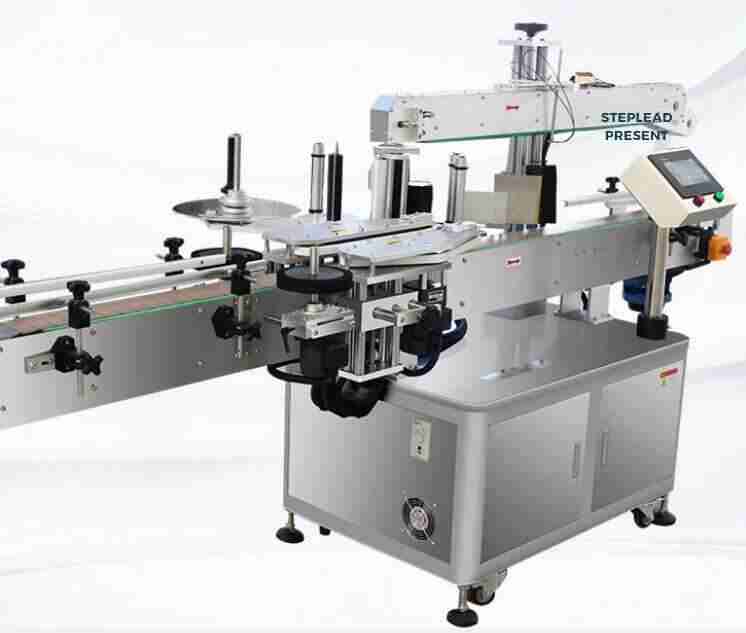
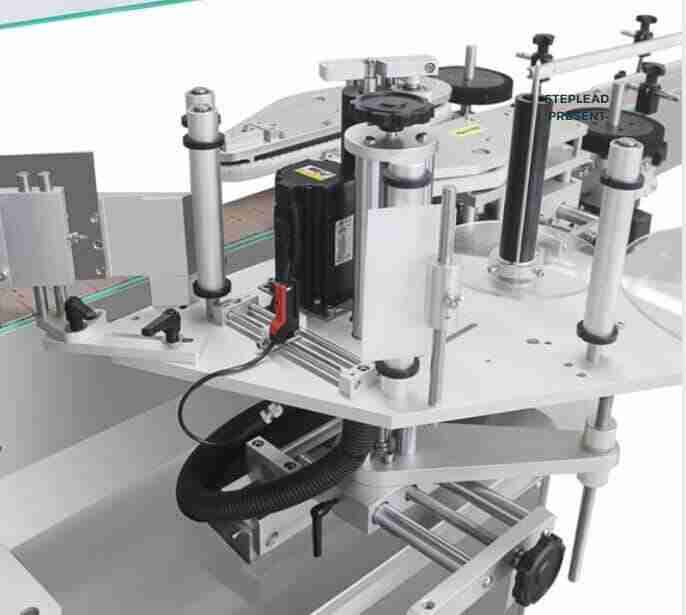
Description: The self-adhesive labeler machine automates label application onto bottles with high precision in bottled water processing.
Working Principle: It uses mechanical, electrical, and software components to align and apply labels accurately.
Key Functions:
- Accurate label positioning and alignment.
- High-speed label application.
- Adjustable label size and placement.
Applications: Bottled water production, beverage bottling, personal care and cosmetic products, pharmaceutical packaging.
Importance in Bottled Water Production
In the containerd water industry, the self-adhesive labeler machine for bottle water production plays a crucial role in ensuring consistent, high-quality labeling of containers. Accurate and efficient label application enhances the visual appeal of the product, reinforces brand identity, and provides important information to consumers.
Types of Self-Adhesive Labeler Equipment
| Equipment | Description |
|---|---|
| Rotary Labeler | Applies labels to containers as they rotate on a turntable |
| In-Line Labeler | Applies labels to bottles moving along a conveyor belt |
| Wrap-Around Labeler | Applies labels that wrap around the entire bottle circumference |
| Print-and-Apply Labeler | Integrates label printing and application in a single machine |
Maintenance and Considerations in Bottled Water Processing:
- Regular cleaning and maintenance of label feeding and application components.
- Ensuring proper label stock compatibility and quality.
- Monitoring label alignment and adjusting as needed.
- Implementing preventive maintenance schedules.
- Training operators on proper machine operation and troubleshooting.
Labeling Machine Speed Optimizer
Optimize your bottling plant process with our speed calculator
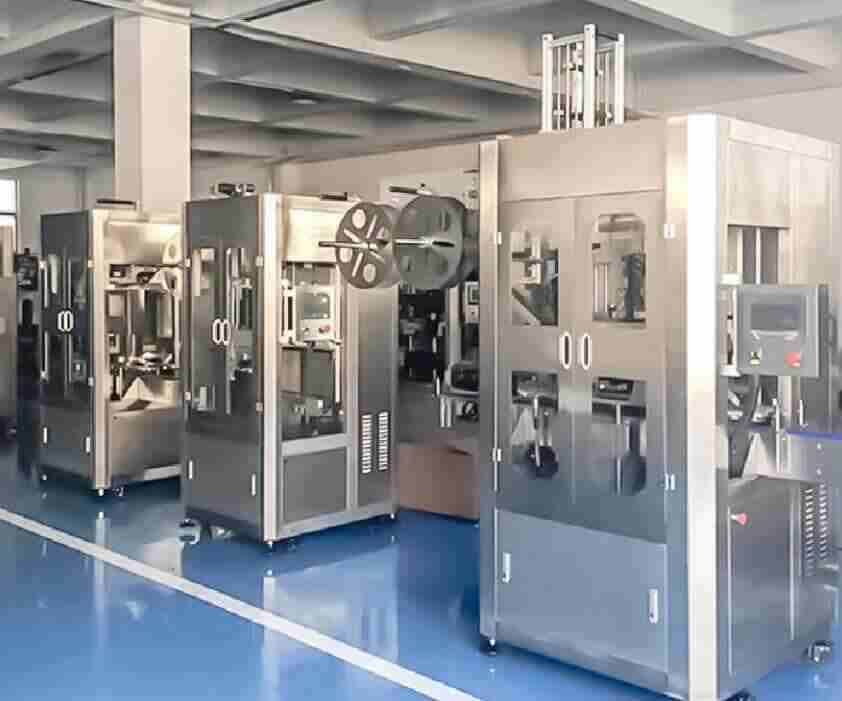
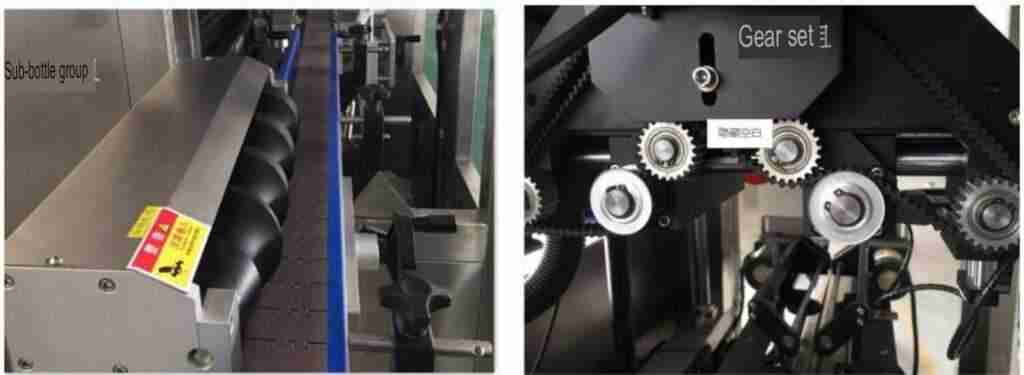
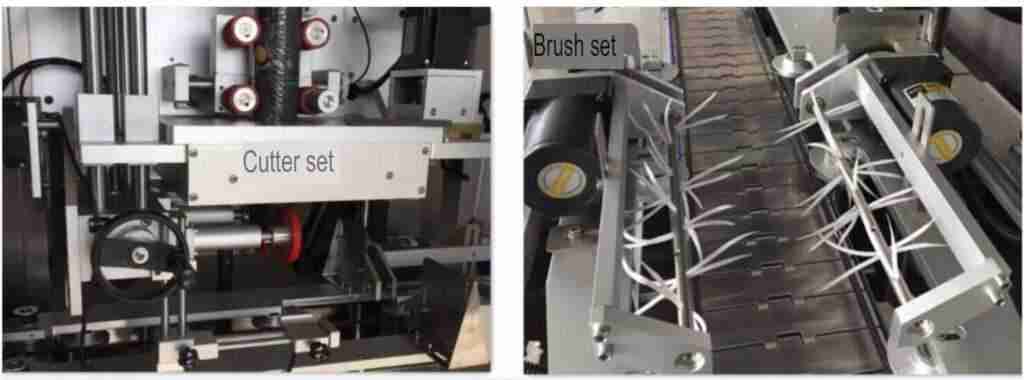
Description: The shrink sleeve label machine for bottle water production applies and shrinks sleeve labels onto bottles, providing 360-degree coverage and enhanced branding opportunities.
Working Principle: Bottles are fed into the machine, where pre-cut sleeve labels are positioned and heat-shrunk onto the bottle surfaces.
Key Functions:
- Accurate sleeve label positioning and alignment.
- Precise heat application for shrinking labels.
- Adjustable label size and bottle diameter compatibility.
- Integrated label feeding and application.
- Seamless integration with bottling line.
Applications: Bottled water production, beverage bottling, personal care and cosmetic products, pharmaceutical packaging.
Types of Equipment:
Equipment Type Description Continuous Motion Shrink Sleeve Labeler Applies labels to bottles moving on a conveyor belt. Intermittent Motion Shrink Sleeve Labeler Applies labels to stationary bottles. Sleeve Applicator Applies pre-cut sleeve labels onto bottles. Shrink Tunnel Provides controlled heat to shrink and secure sleeve labels. Maintenance and Considerations in The Bottle Water Production Process:
- Regular cleaning and maintenance of label feeding and application components.
- Ensuring proper label stock compatibility and quality.
- Monitoring label alignment and adjusting as needed.
- Maintaining optimal heat settings for effective shrinking.
- Implementing preventive maintenance schedules.
- Training operators on proper machine operation and troubleshooting.
8) Bottle Wrapping Machines
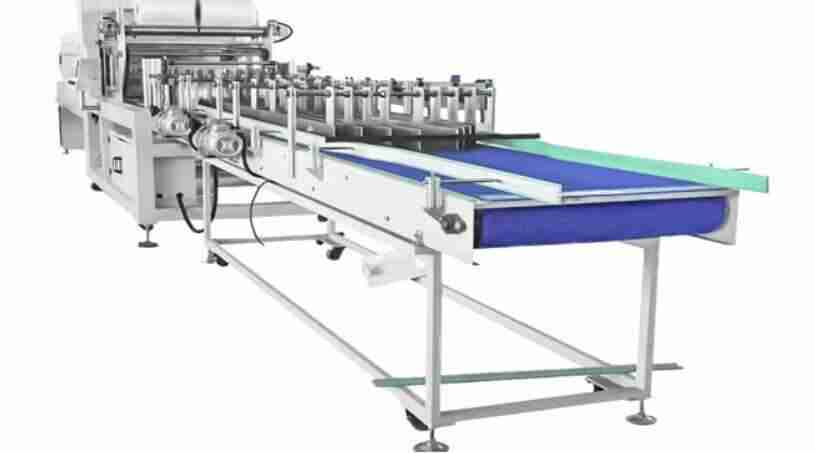
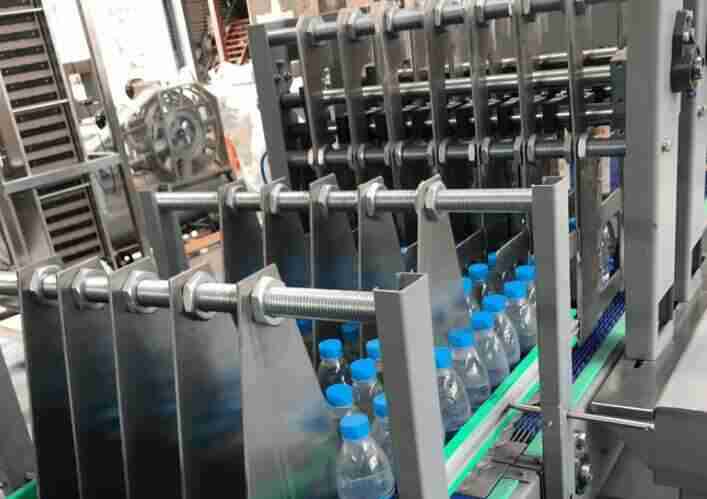
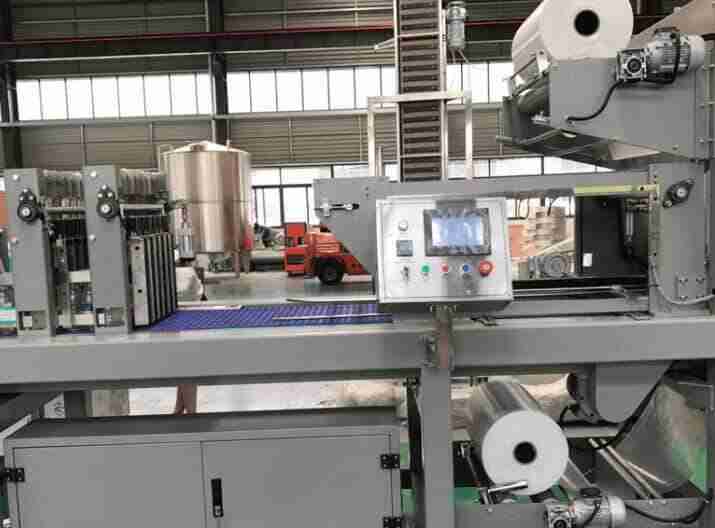
Description: The shrink wrap machine in bottled water manufacturing process wraps bottled beverages in shrink film, using a constant temperature PE shrinking furnace to achieve the packaging effect.
Working Principle: The machine uses steel and stainless steel components with a compact design, incorporating electrical and pneumatic components from renowned brands for efficient operation.
Key Functions:
- Automatic wrapping, sealing, cutting, heat shrinking, and cooling.
- Suitable for shrink films like PE and PVC.
- Provides a neat, compact, and secure packaging of the bottles.
Applications: Packaging of bottled beverages in water bottling process such as purified water and mineral water, cans and glass bottles, various food, pharmaceutical, and chemical products.
Types of Equipment:
Machine Type Description Throughput Suitable Products Automatic Bottle Stack Sleeve Shrink Wrapping Machine Designed for automatic bottle stacking, film feeding, sealing, and shrinking. 8-30 bottles/minute Bottles, cans, glass bottles Continuous Motion Shrink Wrapping Machine Uses a direct feeding method with no length limit for packaged items. Up to 120 bottles/minute Long-length objects, beverages, beer, mineral water, cans, glass bottles Semi-Automatic Shrink Wrapper with Shrink Tunnel Provides a reliable solution for high-quality shrink-wrapped packs. 10,800 bottles/hour Bottles, cans, and other containers Intermittent Motion Tray Shrink Wrapper with Integral Shrink Tunnel Suitable for wrapping bottles, cans, and other containers on a tray or with a cardboard pad. 6-20 bottles/minute Cylindrical, flat, square, and complex-shaped containers Maintenance and Considerations in Bottled Water Manufacturing:
- Regular maintenance of the machine components, including cleaning and lubrication.
- Proper storage and handling of the shrink film to ensure its quality and performance.
- Monitoring of the temperature and air circulation in the shrinking furnace to ensure consistent and effective shrinking.
- Adjusting the machine settings to accommodate different bottle sizes and packaging requirements.
- Ensuring the proper alignment and functioning of the conveyor belt and bottle separating board.
Packaging Machine Capacity Calculator
Optimize your bottled water factory design with our packaging capacity estimator.
We value your feedback! Please email aquamo@gmail.com with any suggestions or comments.
9) Pallet wrapping machine

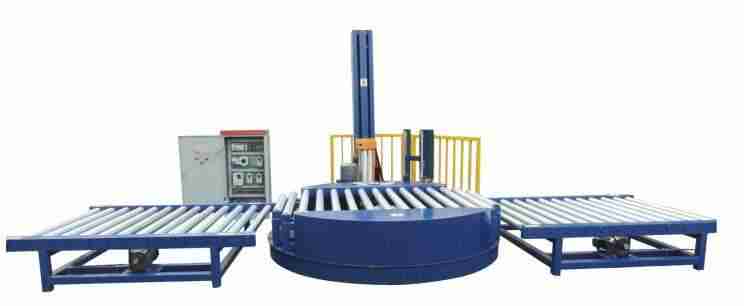
Description: The pallet wrapping machine wraps goods stacked on pallets with LLDPE stretch film, providing stability, protection, and waterproofing during storage and transportation.
Working Principle: Controlled by a PLC programmable controller, it offers adjustable film tension, automatic photoelectric tracking, and multifunctional packaging modes.
Key Functions:
- Automatic wrapping of palletized goods.
- Adjustable film tension for optimized packaging.
- Partially enhanced wrapping for reinforced top/bottom.
- Manual/automatic switching and automatic protection.
- Multifunctional packaging modes (standard, quasi, single-layer, enhanced).
- Automatic reset to initial position after each use.
- Dynamic pre-stretching film frame system.
Applications: Mineral water production process, food and beverage production, irrigation equipment, paper manufacturing, dyes and chemicals, glass and ceramics, electro-mechanical castings.
Types of Equipment:
Equipment Type Description Tray-type Pallet Wrapping Machine Wraps palletized goods using LLDPE stretch film. Top-pressure Resistance-stretch Pallet Wrapping Machine Applies top pressure during wrapping. Pre-tension Automatic Pallet Wrapping Machine Automatically pre-tensions the stretch film. Maintenance and Considerations for How Bottled Water is Made:
- Regular inspection and maintenance of machine components.
- Proper storage and handling of stretch film.
- Monitoring of film tension and wrapping patterns.
- Adjusting settings for different pallet sizes and products.
- Ensuring proper alignment of sensors and lifting mechanisms.
- Maintaining a clean work environment.
03.
plastic blowing machine I bottle molding machine
1) Fully Automatic PET Bottle Blowing Machine
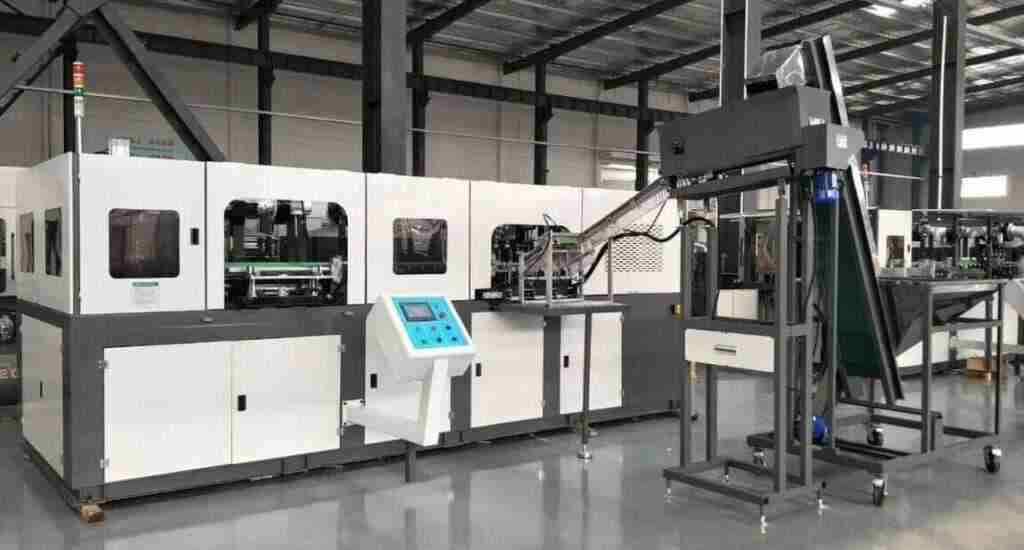
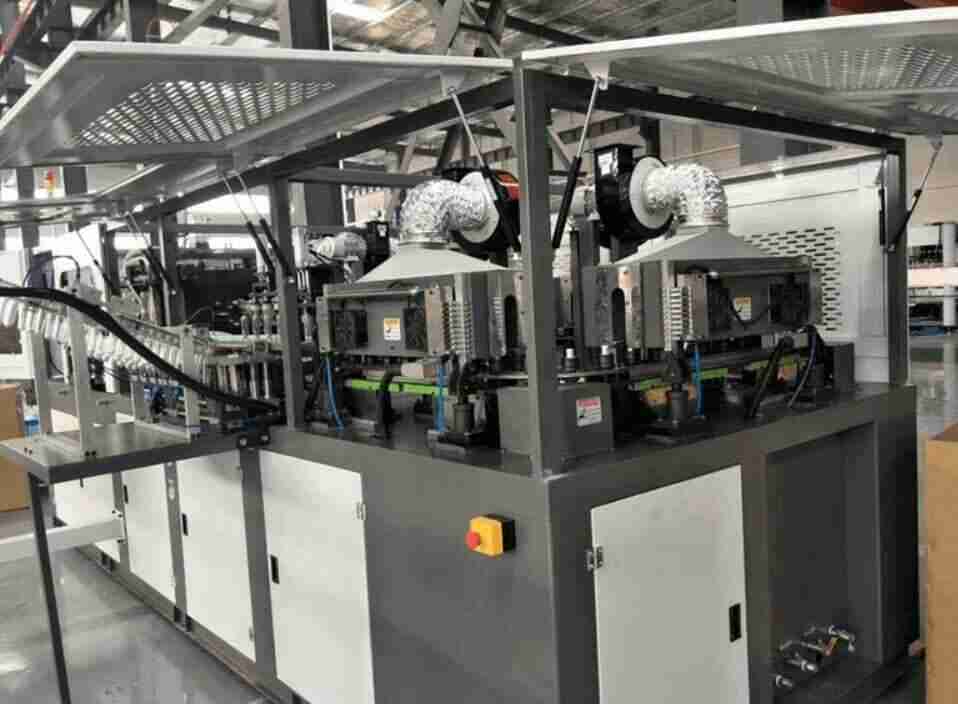
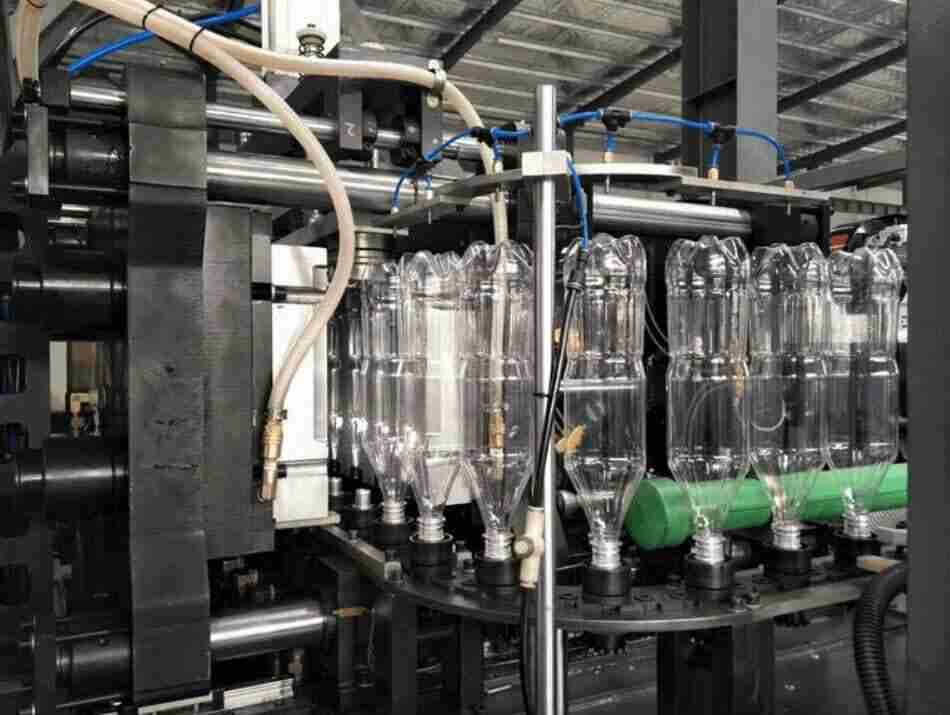
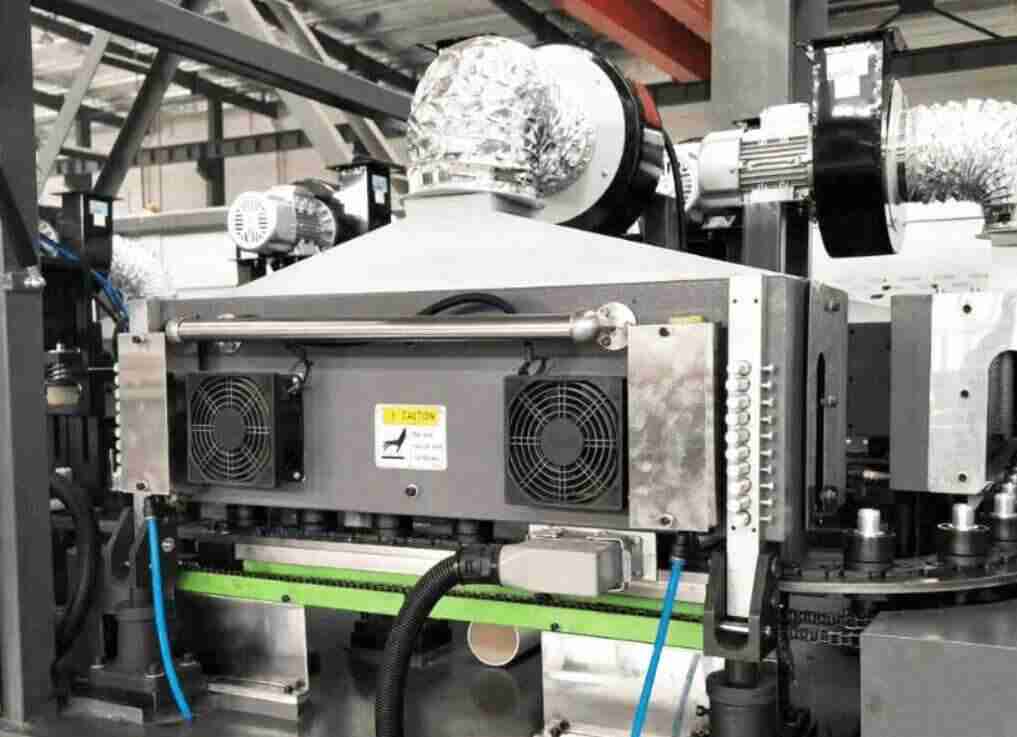
Description: The fully automatic bottle blow molding machine in bottle water production is used to blow all kinds of plastic containers and beverage bottles using PET raw material.
Working Principle: The machine in bottled water production features a user-friendly interface, smooth operation, high and stable output, low energy consumption, and a high degree of automation. It uses a double toggle and primary link hinge mechanism with solid clamping force for stable and reliable blowing action.
Key Functions in Bottle Water Production:
- Automatic preform loading and feeding.
- Precise temperature control and even heating of preforms.
- Stable and fast mold clamping and bottle blowing.
- Automatic bottle ejection and transfer to filling machine.
- Integrated PLC control with automatic fault detection.
Applications: Production of water bottles, juice, soda, and other beverage bottles, plastic containers for food, cosmetics, and household products.
Types of Equipment:
Machine Type Description Linear Stretch Blow Molding Machine Uses linear motion to stretch and blow preforms into bottles. Cost-effective with a good balance of production speed and quality. Rotary Stretch Blow Molding Machine Uses rotary motion to stretch and blow preforms. Faster production speed compared to linear machines. Can achieve higher quality bottles. Maintenance and Considerations in Bottling Water Process:
- Regular inspection and maintenance of mold clamping, heating, and blowing components.
- Proper storage and handling of the preform raw material.
- Monitoring temperature control system and energy consumption.
- Adjusting machine settings for different bottle sizes and production requirements.
- Ensuring proper alignment and functioning of automatic feeding, ejection, and transfer systems.
Blow Molding Machine Capacity Assessment Tool
Optimize your bottled water factory design with our capacity estimator
We value your feedback! Please email aquamo@gmail.com with any suggestions to improve our bottling plant process tools.
2)Semi-automatic blow molder
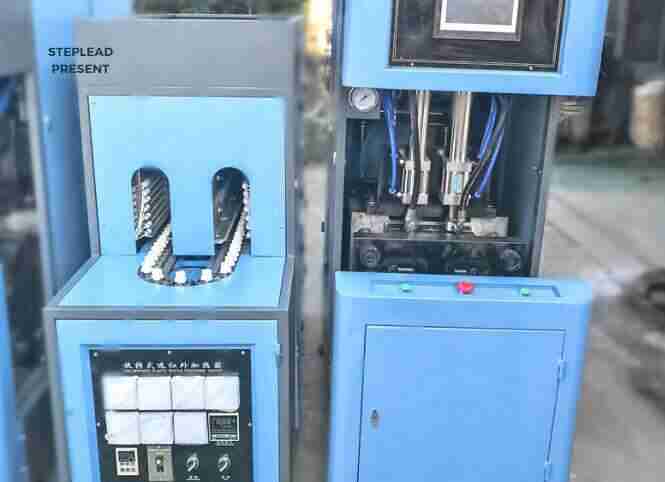
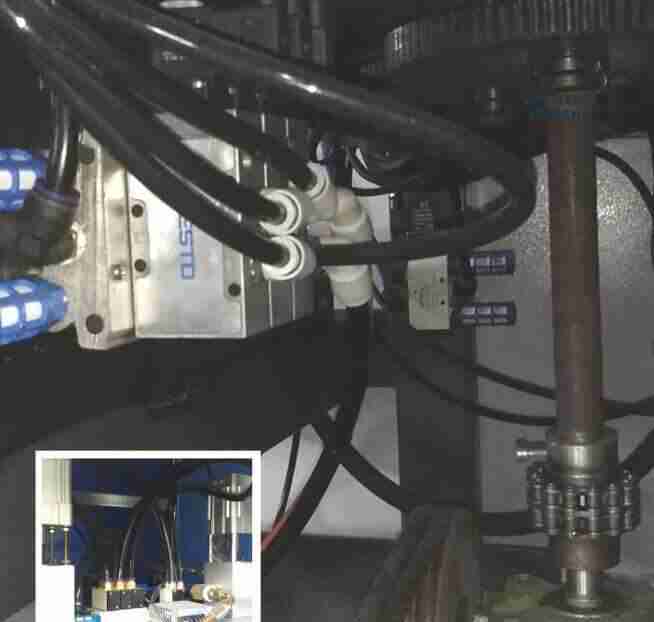
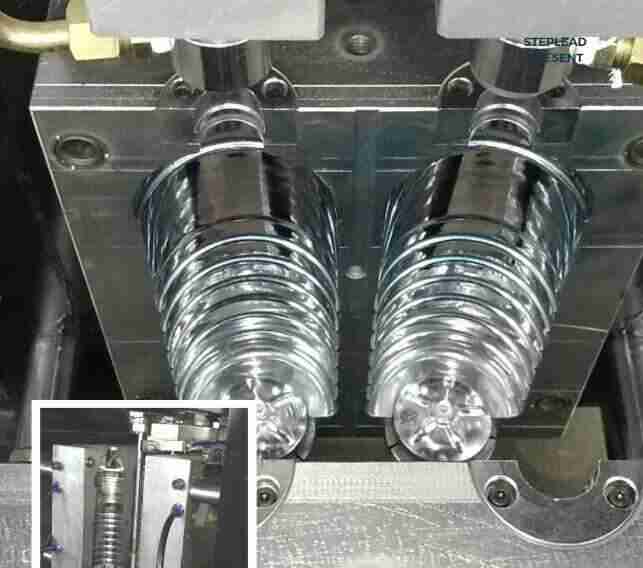
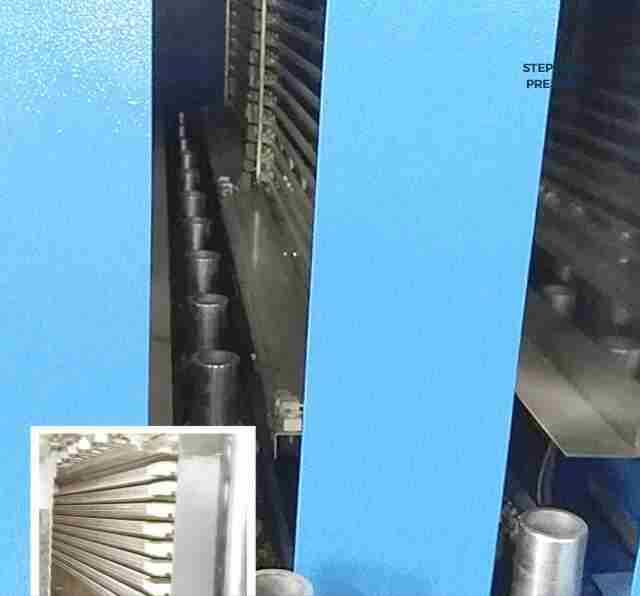
Description: Semi-automatic blow molding machines in bottled water production process are versatile equipment used for producing a variety of plastic bottles and containers.
Working Principle: These machines use a combination of manual and automated processes to blow mold plastic preforms into the desired bottle shapes.
Key Functions:
- Preform heating and softening.
- Mold clamping and bottle blowing.
- Bottle ejection and trimming.
Applications: bottled water production process, Beverage bottles (water, juice, soda, etc.), personal care bottles (shampoo, lotion, etc.), household chemical containers, pharmaceutical packaging.
Types of Equipment:
Feature Manual Preform Loading Automated Preform Loading Preform Loading Manual hand-feeding Automatic preform insertion Bottle Removal Manual removal Manual removal Efficiency Low Higher Labor Required 1-2 workers 1 worker Cost Very low Moderate Preform Handling Requires gloves for hot preforms Automated preform handling Maintenance and Considerations in Mineral Water Processing Steps:
- Regular cleaning and maintenance of molds and machine components.
- Proper temperature and pressure control for consistent bottle quality.
- Operator training for safe and efficient machine operation.
- Consideration of energy efficiency and environmental impact.
3) Air compressor
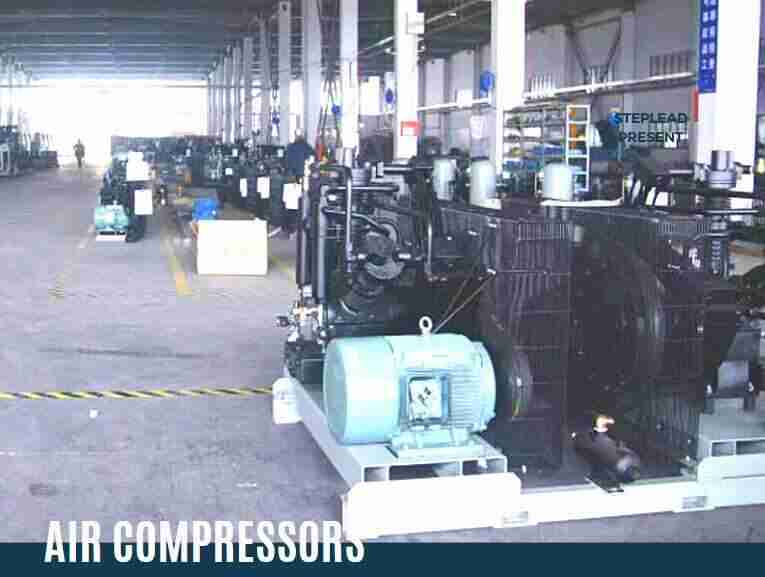
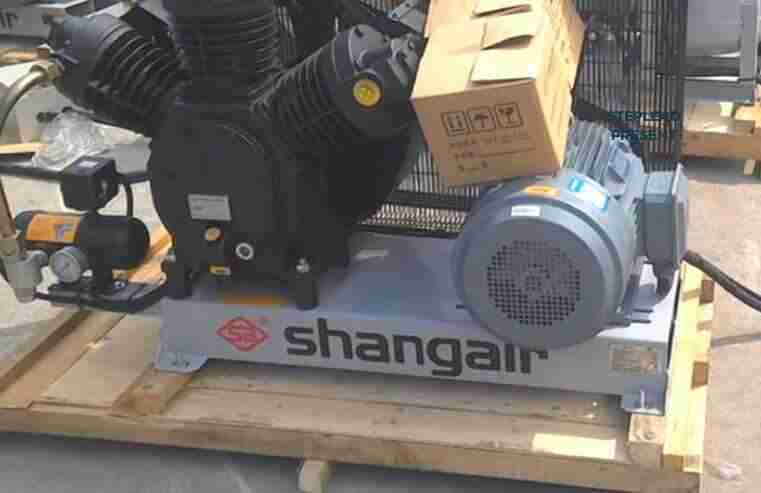
Description: An air compressor in drinking water manufacturing process converts power into potential energy stored in pressurized air.
Working Principle: It works by drawing in ambient air, compressing it to a higher pressure, and discharging the compressed air for various applications.
Key Functions in Mineral Water Manufacturing Process:
- Intake and compression of air.
- Storage of compressed air.
- Delivery of compressed air to end-use applications.
Applications: Powering pneumatic tools and equipment in mineral water processing, inflating tires, spray painting, cleaning and drying, controlling and operating industrial machinery.
| Type | Description |
|---|---|
| Reciprocating | Piston-driven compressors that use a back-and-forth motion to compress air. |
| Rotary Screw | Use two meshing helical screws to draw in and compress air. |
| Centrifugal | Use rotating impellers to draw in and accelerate air, increasing pressure. |
| Scroll | Use two spiral-shaped scrolls to compress air in a continuous process. |
- Maintenance and Considerations for How is Bottled Water Made Step by Step:
- Regular filter and oil changes.
- Monitoring for air leaks.
- Proper sizing and selection for the application.
- Ensuring adequate cooling and ventilation.
- Adhering to safety protocols when operating.
Air Compressor Energy Consumption Calculator
Optimize your bottled water factory design with our energy efficiency tool
We value your feedback! Please email aquamo@gmail.com with any suggestions to improve our bottling plant process tools.
4) Bottle blowing machine water chiller
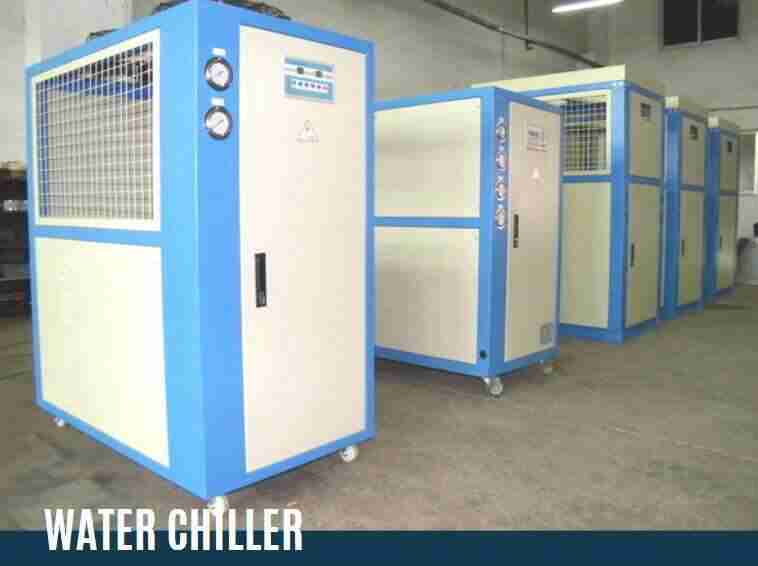
Description: A water chiller in water bottling plant process regulates the temperature of the water used in the bottle blowing process.
Working Principle: The chiller circulates water through the bottle blowing mold to maintain a consistent temperature, ensuring proper formation and cooling of the plastic bottles.
Key Functions:
- Temperature regulation of the bottle blowing mold.
- Consistent cooling of the molded plastic bottles.
- Efficient heat transfer from the hot mold to the circulating water.
Applications: Bottle blowing technology of bottled water for PET, HDPE, and other plastic bottle production, cooling of molds in injection molding and extrusion blow molding processes, temperature control in various industrial cooling applications.
Types of Equipment:
Type Description Recirculating Chiller Continuously circulates and cools a closed-loop water system. Inline Chiller Cools water as it flows through the system, without a closed loop. Portable Chiller Self-contained, mobile units for temporary or flexible cooling needs. Integrated Chiller Built-in to the bottle blowing machine for a compact, all-in-one solution. Maintenance and Considerations for How is Bottled Water Produced:
- Regular cleaning and maintenance of the water system.
- Monitoring and adjusting water temperature and flow rate.
- Ensuring proper ventilation and heat dissipation.
- Adhering to manufacturer’s recommendations for maintenance and service intervals.
- Considering the cooling capacity and efficiency requirements for the specific bottle blowing application.
5) Blowing machine air dryer
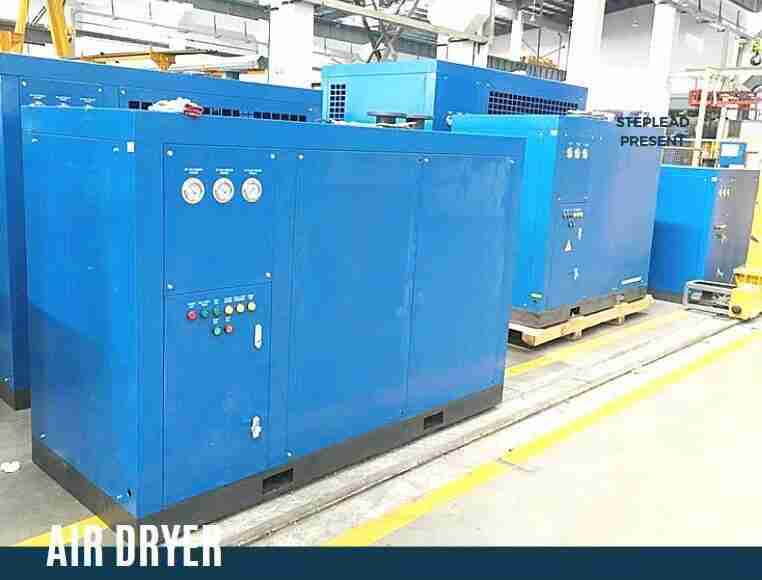
Description: An air dryer in bottled water manufacturing process removes moisture from the compressed air used in the bottle blowing process.
Working Principle: The air dryer uses various drying techniques, such as refrigeration or desiccant adsorption, to reduce the moisture content of the compressed air before it is used in the bottle blowing mold.
Key Functions:
- Removal of water vapor from compressed air.
- Preventing condensation and moisture buildup in the bottle blowing system.
- Ensuring a consistent, dry air supply for the blowing process.
Applications: Bottle blowing mineral water process for PET, HDPE, and other plastic bottle production, drying of compressed air for various industrial processes, preventing moisture-related issues in pneumatic equipment and tools.
Types of Air Dryers:
Type Description Refrigerant Dryer Uses refrigeration to cool the air and condense water vapor. Desiccant Dryer Utilizes a desiccant material to adsorb moisture from the air. Membrane Dryer Employs a semi-permeable membrane to selectively remove water vapor. Heatless Dryer Regenerates the desiccant using a portion of the dried air. Maintenance and Considerations in Bottled Water Manufacturing:
- Regular cleaning and replacement of filters and desiccant materials.
- Monitoring and adjusting air flow and pressure.
- Ensuring proper ventilation and heat dissipation.
- Adhering to manufacturer’s recommendations for maintenance and service intervals.
- Considering the air flow and drying capacity requirements for the specific bottle blowing application.
6) Air filter of bottle blowing machine
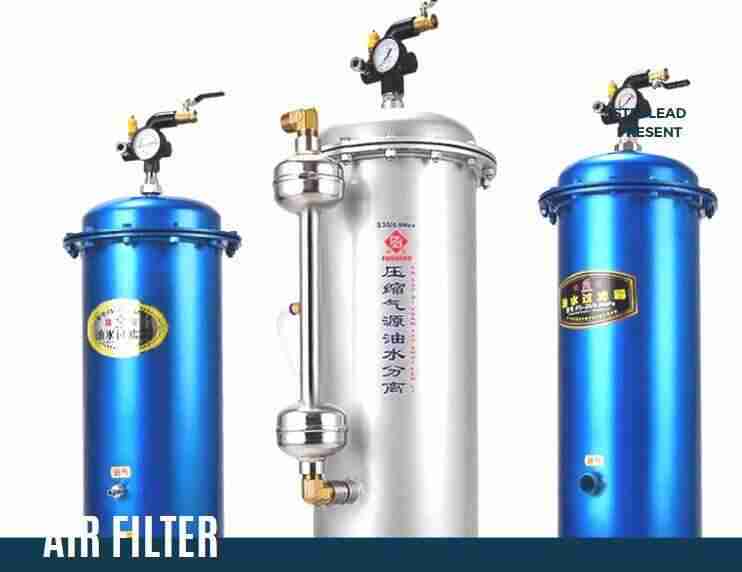
Description: An air filter in bottled water manufacturing removes contaminants such as dust, oil, and moisture from the compressed air stream.
Working Principle: The air filter uses a combination of mechanical filtration, coalescence, and gravity separation to capture and remove harmful particles and liquids from the compressed air.
Key Functions:
- Removal of solid particulates (dust, rust, etc.).
- Separation of liquid water and oil droplets.
- Providing clean, dry compressed air for downstream equipment.
Applications: Compressed air systems in industrial facilities, pneumatic tools and equipment, instrument air systems, bottling and packaging machinery, painting and coating applications.
Types of Air Filters:
Type Description Coalescing Filter Removes liquid water and oil droplets through coalescence. Particulate Filter Captures solid particulates such as dust and rust. Combination Filter Integrates both coalescing and particulate filtration. Desiccant Filter Removes water vapor through adsorption on a desiccant material. Maintenance and Considerations in Bottled Water Bottling Process:
- Regular inspection and replacement of filter elements.
- Monitoring pressure drop across the filter.
- Proper drainage of collected liquids.
- Ensuring adequate air flow and system compatibility.
- Adhering to manufacturer’s recommendations for maintenance and service intervals.
7) Mold temperature controller
Description: A mold temperature controller in mineral water production process regulates the temperature of the mold in the bottle blowing process, ensuring proper appearance and quality of the final plastic bottles.
Working Principle: It maintains the mold at a constant, optimal temperature to prevent defects such as lack of gloss, deformation, bubbles, and uneven wall thickness.
Key Functions:
- Precise temperature control and fast heating/cooling response.
- Stable and accurate temperature maintenance within ±1°C.
- Automatic temperature regulation and monitoring.
- Liquid level alarm to prevent damage from low heat transfer fluid.
Applications: Plastic bottle manufacturing in bottle water production, and other blow molding processes for plastic products.
Types of Equipment:
Equipment Features Horizontal High-Temperature Resistant Pump Stable flow, reliable performance. Stainless Steel Pipelines and Fuel Tanks Rust-resistant, long service life. Visualized Heat Transfer Oil Level Tube Easy to monitor oil level. Brand-Name Components (Omron, Fuji, LG, Schneider) Excellent performance, long lifespan. Imported Heating Components Superior quality and durability. Maintenance and Considerations About How Bottled Water is Made:
- Regularly check and maintain the heat transfer fluid level.
- Ensure proper insulation of pipelines to minimize heat loss.
- Perform periodic cleaning and inspection of system components.
- Monitor temperature control accuracy and make adjustments as needed.
- Properly store and handle the heat transfer fluid to prevent contamination.
8) Air storage tank of bottle blow molding machine
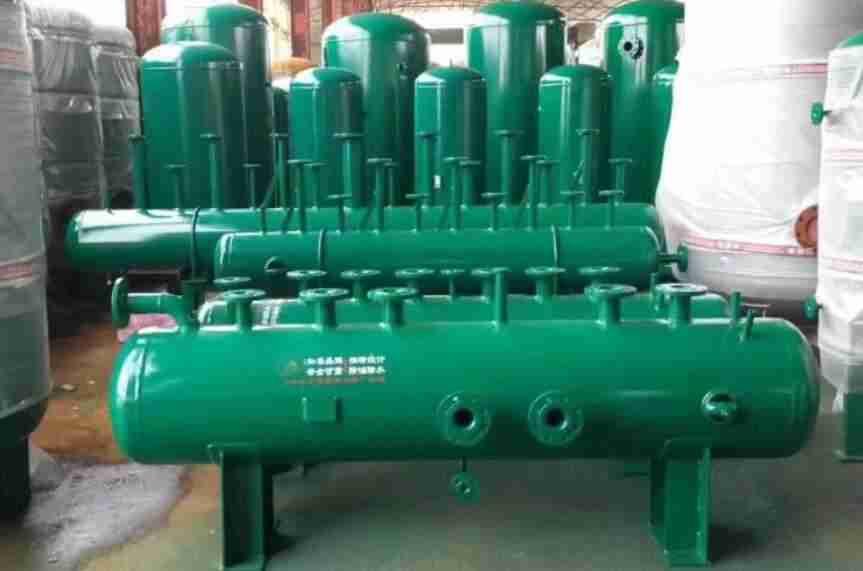
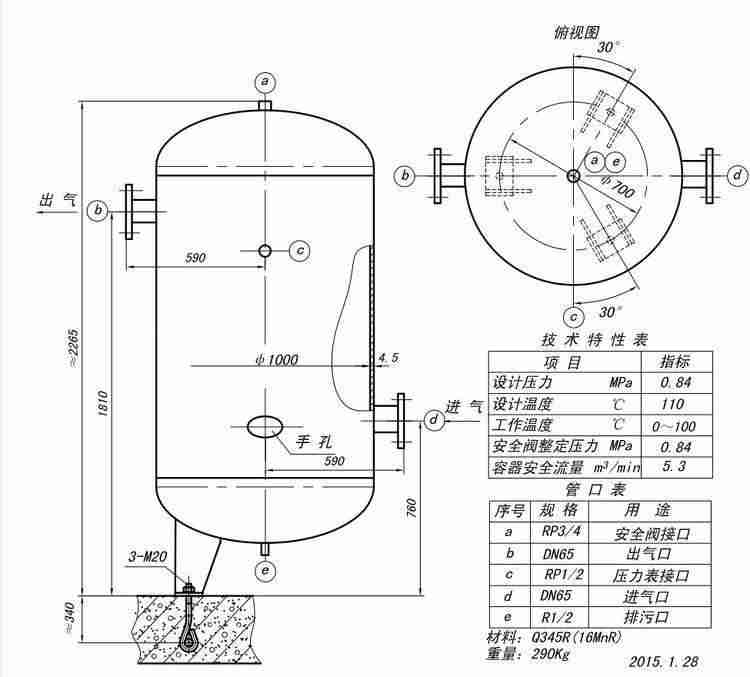
Description: The air storage tank in bottled water production stores compressed air generated by the air compressor and provides a consistent and controlled supply of compressed air for the bottle blow molding process.
Working Principle: The tank stores pressurized air and releases it as needed to inflate the preform during the blow molding stage, shaping the bottle.
Key Functions in Bottling Water Process:
- Stores compressed air.
- Ensures a consistent and reliable air supply.
- Regulates air pressure and flow to the blow mold.
Applications: Bottle blow molding for water, beverages, and other liquid products, plastic container manufacturing, hollow plastic part production.
Types of Equipment:
Equipment Type Description Vertical Air Storage Tank Compact design, suitable for limited space. Horizontal Air Storage Tank Larger capacity, suitable for high-volume production. Stainless Steel Air Storage Tank Durable, corrosion-resistant, suitable for food-grade applications. Aluminum Air Storage Tank Lightweight, suitable for mobile or portable applications. Maintenance and Considerations in Bottled Water Production Process:
- Regular inspection and cleaning of the tank to prevent contamination.
- Monitoring and maintaining proper air pressure levels.
- Checking for leaks and ensuring airtight seals.
- Replacing worn or damaged components as needed.
- Adhering to the manufacturer’s recommended maintenance schedule.
04.
Conclusion
💰 Complete Line Budget Estimator
Get a turnkey estimate for Water Treatment + Blowing + Filling + Packing.
$0
Request Official Quote →The bottled water production process flow chart of bottle water production process involves several intricate steps, from initial water treatment through bottling, packaging, and bottle blowing. Each stage requires specific equipment, regular maintenance, and careful monitoring to ensure the highest quality and safety standards are met. By following this detailed process flow, you can ensure efficient and effective bottled water production, meeting industry standards and consumer expectations.
For more detailed information, expert assistance, or to get quotes for your specific bottled water filling needs, feel free to get in touch with us through the contact form provided. We are here to help you achieve the best results in your bottled water production endeavors.
GET A QUICK QUOTEFAQ
What are the different sources of water used in bottled water production and manufacturing?# What are the different sources of water used in bottled water production and manufacturing?
The bottled water production process flow chart begins with sourcing water from various origins, each imparting unique characteristics to the final product. Understanding these sources is crucial for water factory design and the overall water making process. The primary sources include:
## 1. Spring Water
Spring water naturally flows to the surface from underground aquifers. It’s valued for its mineral content acquired through rock formations. Key aspects include:
– Rich in minerals like calcium, magnesium, and potassium
– Requires protection from external contaminants
– Often used in flavoured water manufacturing processes
## 2. Groundwater
Groundwater is accessed by drilling wells into aquifers beneath the earth’s surface. Its characteristics include:
– Natural filtration through soil and rock layers
– Varying mineral composition based on aquifer geology
– Commonly used in bottled water mineral water process flow charts
## 3. Artesian Wells
Artesian wells tap into confined aquifers with positive pressure. Features include:
– Natural upward flow without pumping
– Protection from surface contaminants
– Distinct mineral profiles
## 4. Municipal Sources
Some bottling plants use treated municipal water. The process involves:
– Multi-stage treatment including filtration and disinfection
– Mineral adjustment for taste and composition control
– Often used in sparkling water manufacturing processes
## Bottled Water Production Process
The water production factory follows a comprehensive flow chart:
1. Raw Material Treatment
– Microfiltration
– Reverse osmosis
– Ozonation
– UV disinfection
2. Mineral Enhancement
– Addition of calcium, magnesium, or electrolytes
– Adjustment of mineral content for spring and ground sources
3. Disinfection
– Ozonation or UV treatment
4. Bottle Preparation
– Cleaning and rinsing with purified water
– Treatment to remove contaminants
5. Filling and Capping
– Sterile enclosed environment
– Prevention of recontamination
## Quality Control in Drinking Water Production Process
The manufacturing of bottled water requires strict adherence to quality standards:
– Source monitoring
– Regular testing for contaminants
– Compliance with regulatory standards
### Requirements for Bottled Water Production
1. Water source approval
2. Treatment facility certification
3. Product testing and labeling compliance
4. Regular facility inspections
The drinking water process flow chart must be meticulously followed to ensure product safety and consistency. This attention to detail is what defines the bottled water processing plant and ensures the success of the water production factory.
How is spring water collected for bottling?Spring water collection involves several steps to ensure the water remains pure and uncontaminated. Initially, geologists identify natural springs with consistent water flow and quality. Once a suitable spring is located, the area is protected to prevent contamination from external sources, such as animals and human activities.
The water is then collected using stainless steel pipes that transport it directly from the spring to the bottling facility. This process is carefully monitored to maintain the integrity and natural characteristics of the water. The collection pipes are regularly sanitized, and the water is tested frequently to ensure it meets all regulatory standards.
During the collection process, no chemicals or additives are introduced. The aim is to preserve the natural purity of the spring water, making it one of the most sought-after types of bottled water for consumers looking for a natural product.
Exploring the Bottled Water Manufacturing Process
The bottled water manufacturing process involves several key stages, including raw material sourcing, water treatment, bottling, and packaging. The raw materials required for bottle water production include the water source (spring, mineral, or purified), bottles (typically made from PET plastic or glass), caps, and labels.
The water bottling process typically begins with the collection of the water from its natural source, as described above for spring water. Mineral water, on the other hand, is obtained from underground mineral deposits and may undergo minimal treatment to remove impurities while retaining its natural mineral content.
Once the water has been collected, it may undergo additional treatment processes, depending on the type of bottled water being produced. These treatments can include filtration, disinfection (using ozone or ultraviolet light), and in some cases, the addition of minerals to enhance the water’s taste and nutritional content.
The treated water is then transported to the bottling facility, where it is filled into pre-sanitized bottles using advanced filling and sealing equipment. This process is carried out under strict hygienic conditions to prevent contamination.
After filling, the bottles are labeled and packaged, often in plastic wrap or cardboard cases, for distribution to retailers and consumers.
Throughout the bottled water manufacturing process, quality control measures are implemented at various stages to ensure the product meets all safety and regulatory standards. This includes regular testing for contaminants, monitoring of production processes, and adherence to good manufacturing practices (GMP).
The mineral water production process follows a similar path, but with additional emphasis on preserving the natural mineral content and characteristics of the water source. This may involve specialized treatment techniques and stricter quality control measures to maintain the water’s unique mineral composition.
By exploring the bottled water manufacturing process and the various raw materials involved, we gain a deeper understanding of the steps required to produce a safe, high-quality bottled water product that meets consumer demands for purity and convenience.
What are the common methods of water purification used in bottled water production?Bottled water production employs several purification methods to ensure the water is safe and free from contaminants. The most common methods include reverse osmosis, distillation, and carbon filtration.
Reverse Osmosis
Reverse osmosis (RO) is one of the most widely used methods in the bottled water manufacturing process. It involves forcing water through a semi-permeable membrane under high pressure. This membrane acts as a molecular filter, removing impurities such as dissolved salts, bacteria, viruses, chemicals, and other contaminants. The purified water then passes through, while the concentrated contaminants are flushed away.
RO systems are highly effective at removing up to 99% of total dissolved solids (TDS) and other impurities. They are commonly used for desalination and water purification in industries like food and beverage production. In bottled water plants, multiple stages of RO filtration may be employed to achieve the desired level of purity.
Distillation
Distillation is another popular purification method used in mineral water production. It mimics the natural water cycle by boiling the source water and collecting the condensed steam. As water evaporates, most dissolved solids, microorganisms, and other non-volatile impurities are left behind.
The purified water vapor is then cooled and condensed to produce distilled water virtually free from minerals, salts, and other contaminants. Distillation is an effective way to remove inorganic compounds, heavy metals, and microbiological contaminants from the raw materials used in bottle water production.
Carbon Filtration
Carbon filtration, often used as a pre-treatment or final polishing step, plays a crucial role in improving the taste and odor of bottled water. In this process, water passes through a bed of activated carbon granules or carbon block filters.
The highly porous carbon surface attracts and traps chlorine, volatile organic compounds (VOCs), pesticide residues, and other organic impurities that can affect the water’s taste and smell. Carbon filtration enhances the aesthetic qualities of the water and removes residual contaminants that may have passed through earlier purification stages.
These three main purification methods – reverse osmosis, distillation, and carbon filtration – are commonly used in sequence or combination to achieve the highest water quality standards for bottled water production. The specific combination and number of treatment stages depends on factors like the source water quality, bottler’s requirements, and regulatory standards in different regions.
In addition to these core purification technologies, bottlers may incorporate additional treatment steps such as ultraviolet (UV) disinfection, ozonation, or micro-filtration to further enhance the safety and quality of their bottled water products.
By meticulously applying these water purification processes, bottled water manufacturers can remove a wide range of contaminants from the raw water source, ensuring that the final product meets or exceeds regulatory requirements for purity, safety, and taste.
How does reverse osmosis work in water purification?Reverse osmosis (RO) is a widely used water purification method that effectively removes a wide range of contaminants from water. The process involves forcing water through a semi-permeable membrane that blocks impurities while allowing clean water to pass through.
The Bottled Water Manufacturing Process
The bottled water industry relies heavily on reverse osmosis as a key step in the mineral water production process. The water bottling process typically begins with sourcing water from a protected underground aquifer or spring. This raw water is then pretreated to remove larger particles, chlorine, and other contaminants that could damage the RO membranes.
The RO system consists of multiple stages, including pre-filtration, the reverse osmosis stage, and post-treatment. During pre-filtration, sediment filters and carbon filters remove larger particles, chlorine, and other chemicals that can foul the RO membrane.
Once the water passes through the pre-filters, it is pressurized and pushed through the semi-permeable RO membrane. This membrane has microscopic pores that block contaminants such as dissolved salts, bacteria, viruses, heavy metals, and organic compounds like pesticides. Only water molecules can pass through the membrane.
The purified water that passes through the membrane is called the permeate, while the concentrated stream of removed contaminants is called the brine or reject water. This brine is flushed away, often requiring careful disposal due to its high concentration of contaminants.
Post-Treatment and Bottling
After reverse osmosis, the permeate water may undergo post-treatment steps like remineralization to adjust the mineral content and pH level. Ozone or UV disinfection may also be used to ensure microbiological purity. The treated water is then bottled in sanitized containers under strict quality control measures.
RO systems are highly efficient at removing contaminants, capable of rejecting up to 99% of dissolved salts, particles, bacteria, and other impurities. This exceptional purification capacity makes reverse osmosis essential for producing the high-purity bottled water that meets stringent safety and quality standards set by regulatory bodies.
The resulting bottled water is free from undesirable tastes, odors, and contaminants, making it a popular choice among health-conscious consumers seeking a convenient source of clean drinking water. Proper maintenance and periodic membrane replacement are crucial to ensuring the RO system operates at peak performance.
What is the process of ozonation in bottled water production?Ozonation is a critical step in the bottled water manufacturing process used to disinfect and purify water sources before bottling. Ozone gas (O3) is generated on-site at bottling plants by passing dry air or oxygen through an electrical discharge system. This ozonation process creates ozone molecules that act as powerful oxidizing agents capable of effectively killing bacteria, viruses, parasites, and other microorganisms present in the raw water supply.
The ozonation step occurs after initial pre-treatment phases where the source water undergoes processes like coagulation, filtration, and sediment removal to remove larger contaminants. Precise ozone dosing is carefully controlled based on continuous monitoring of the raw materials for bottle water production, including factors like the water’s pH, temperature, and level of organic matter present.
Once injected into the water stream, ozone rapidly reacts with and destroys remaining pathogens, organic compounds, odors, tastes, and microscopic particles through oxidation. Its high oxidation potential enables ozone to breakdown resilient contaminants that may resist other treatment methods. Unlike chlorination, ozonation has the key advantage of leaving no harmful chemical residues, as residual ozone naturally reverts into oxygen after the disinfection process.
The water bottling process often incorporates ozonation along with other purification stages like ultraviolet light, micro-filtration, reverse osmosis, and mineral injection to comprehensively treat the source water. This multi-barrier approach ensures the highest safety and quality standards for the final bottled product.
After ozonation, the purified water is immediately bottled in sanitized containers to preserve its freshness and prevent any recontamination. Ozonation’s ability to inhibit microbiological growth greatly extends the mineral water’s shelf-life during storage and distribution.
The bottled water manufacturing industry relies on the potent oxidizing capabilities of ozone as a chemical-free disinfectant and purifier. Ozonation plays a pivotal role in ensuring how bottled water is made adheres to stringent regulations while delivering a crisp, refreshing taste free of odors, impurities or chemicals.
How is the mineral content of bottled water adjusted?The mineral content of bottled water can be adjusted to meet specific taste preferences and health requirements. This process, known as remineralization, involves adding minerals back into the water after purification.
Bottled Water Manufacturing Process
The bottled water manufacturing process typically begins with sourcing water from natural springs, artesian wells, or municipal water supplies. The raw water then undergoes various purification stages to remove contaminants, such as sediments, microorganisms, and chemical impurities. Common purification methods include reverse osmosis, distillation, and advanced filtration techniques.
During these purification methods like reverse osmosis or distillation, most minerals are removed along with contaminants. To enhance the taste and nutritional value of the water, producers can add specific minerals back into the water through remineralization.
Water Bottling Process
In the water bottling process, the remineralization stage occurs after the purification steps. Common minerals added include calcium, magnesium, and potassium, which are essential for maintaining good health and providing a desirable taste profile.
The remineralization process is carefully controlled to ensure that the added minerals are in the right proportions. This not only improves the taste of the water but also provides health benefits, as certain minerals are essential for maintaining good health. For example, calcium is vital for bone health, while magnesium supports muscle and nerve function.
Mineral Water Production Process
In the case of mineral water production, the water is typically sourced from natural springs or artesian wells, which already contain a balanced mineral profile. The mineral water production process aims to preserve the natural mineral composition while ensuring the water meets quality and safety standards.
During the mineral water production process, the water may undergo minimal treatment, such as filtration or disinfection, to remove any potential contaminants without significantly altering the mineral content. The natural mineral composition is a key selling point for mineral water, as it is believed to provide unique taste characteristics and potential health benefits.
Tailoring Mineral Content
Bottled water producers often tailor the mineral content based on the source of the water and the desired final product. For example, mineral water sourced from natural springs may already contain a balanced mineral profile and require minimal adjustment, while purified water may need significant remineralization to enhance its taste and quality.
The specific minerals added and their concentrations can vary based on the target market, cultural preferences, and health considerations. Some bottled water brands may emphasize the addition of certain minerals, such as calcium or magnesium, to cater to specific consumer demands or address potential deficiencies in certain regions.
Regardless of the source or desired mineral composition, bottled water producers must adhere to strict quality control measures and regulatory standards to ensure the safety and accuracy of the mineral content in their products.
What are the standards for bottled water quality and safety?Bottled water quality and safety are governed by stringent standards set by regulatory bodies such as the Food and Drug Administration (FDA) in the United States and the European Food Safety Authority (EFSA) in Europe. These standards ensure that bottled water is safe for consumption and free from harmful contaminants.
Quality standards cover various aspects, including microbiological, physical, chemical, and radiological parameters. For instance, bottled water must be free from pathogens like E. coli, which can cause serious health issues. Chemical contaminants such as lead, arsenic, and nitrates are also strictly regulated to ensure they are within safe limits.
The bottled water manufacturing process involves several critical steps to maintain quality and safety. It typically begins with sourcing water from natural springs, artesian wells, or municipal water supplies. The raw materials for bottle water production, including the water itself and the containers, must meet stringent purity standards.
After sourcing, the water undergoes treatment processes like filtration, disinfection, and demineralization to remove impurities and contaminants. The treated water is then bottled in sanitized containers, which are sealed to prevent recontamination. The water bottling process is carefully controlled and monitored to ensure consistent quality.
Producers must conduct regular testing of their water sources, treatment processes, and final products to comply with regulatory standards. Testing includes routine checks for microbiological contaminants, chemical analysis, and sensory evaluation to ensure the water’s taste, odor, and appearance meet quality expectations.
For mineral water production, additional processes may be employed to preserve the natural mineral content while ensuring safety and quality. These can include ozone treatment, ultraviolet disinfection, or membrane filtration techniques.
In addition to regulatory standards, many bottled water producers adhere to voluntary standards set by industry organizations, such as the International Bottled Water Association (IBWA). These standards often exceed regulatory requirements and demonstrate a commitment to providing high-quality, safe bottled water to consumers.
Overall, the bottled water industry follows rigorous protocols and guidelines to ensure that the product reaching consumers is safe, pure, and meets stringent quality criteria. From sourcing to bottling, every step of the manufacturing process is carefully monitored and regulated to maintain the highest standards of quality and safety.
How is bottled water tested for contaminants?The bottled water manufacturing process begins with sourcing water from high-quality underground aquifers or natural springs. The raw materials used include the water itself, as well as bottles, caps, and labels made from food-grade plastics or glass. Rigorous testing occurs at every stage to verify the purity and safety of the finished product.
Microbiological testing is a critical step, as any microbial contamination could pose health risks. Samples are carefully incubated to allow bacterial growth, which is then analyzed and quantified. Methods like membrane filtration and advanced molecular techniques help pinpoint specific pathogens.
For chemical testing, the water undergoes extensive screening for a wide range of potential contaminants using cutting-edge equipment. Inductively coupled plasma mass spectrometry (ICP-MS) can detect trace levels of heavy metals down to parts per trillion. Gas and liquid chromatography combined with mass spectrometry provide detailed chemical fingerprinting to identify organic pollutants like pesticides, solvents, and disinfection byproducts.
The physical properties of bottled water, such as turbidity, color, taste, and odor, are rigorously evaluated against strict quality standards. Issues like cloudiness or off-flavors could signal dissolved solids, organic matter, or microbial growth requiring corrective action.
Although rare, radiological testing using gamma spectroscopy monitors for radioactive isotopes like radium that could leach into groundwater from natural sources. This vigilance safeguards against any radioactive contamination.
The mineral water production process has the added step of verifying and standardizing the mineral composition to match the product’s labeling claims. Techniques like ion chromatography quantify mineral levels to ensure consistency.
From the initial water source selection to the final capping and sealing, bottlers adhere to comprehensive safety protocols under the guidance of food safety management systems like HACCP. Sustaining this multi-barrier approach throughout the water bottling process delivers the high-quality product consumers expect.
How are plastic bottles manufactured for bottled water?Plastic bottles used for bottled water are typically made from polyethylene terephthalate (PET), a type of plastic known for its strength, light weight, and recyclability. The manufacturing process involves several steps:
Preform Production: The process begins with the creation of PET preforms, which are small, test-tube-shaped pieces of plastic. These preforms are produced by injecting molten PET into a mold and then cooling it to form a solid shape. The raw materials for bottle water production include PET resin pellets, which are derived from petroleum-based products like ethylene glycol and terephthalic acid.
Blow Molding: The preforms are then heated and placed into blow molding machines, where they are inflated with compressed air to take the shape of a bottle. This process is known as stretch blow molding, which ensures the bottles are strong and uniform in thickness. Proper temperature control and precise stretching are critical in the water bottling process to achieve the desired bottle shape and wall thickness distribution.
Cooling: After molding, the bottles are rapidly cooled to maintain their shape and structural integrity. This is usually done using a combination of air and water cooling systems, with the water being treated and recirculated to minimize waste.
Inspection and Quality Control: Each bottle undergoes thorough inspection for defects such as cracks, uneven thickness, or impurities. Quality control measures are essential in the bottled water manufacturing process to ensure only bottles meeting stringent standards are used for bottling water. Automated vision systems and manual inspections are commonly employed to detect and remove any defective bottles.
Sterilization: Before being filled with water, the bottles are sterilized to eliminate any potential contaminants. This is typically done using ozone or UV light to ensure the bottles are safe for use. In the mineral water production process, additional sterilization steps may be required to meet specific purity standards.
Bottling and Capping: After sterilization, the bottles are filled with purified water sourced from a natural spring, municipal supply, or other approved sources. The bottles are then capped, labeled, and packaged for distribution.
The entire process is designed to be efficient and environmentally friendly, with many manufacturers incorporating recycled PET into their production to reduce waste and promote sustainability. The bottled water manufacturing process adheres to strict quality control measures and regulatory guidelines to ensure the safety and integrity of the final product.
What are the environmental impacts of bottled water production?The environmental impacts of bottled water production are significant and multifaceted, encompassing resource extraction, manufacturing processes, and waste management. Key environmental concerns include:
Resource Depletion: The extraction of water from natural sources can lead to depletion of local water supplies, affecting ecosystems and communities. Many bottled water companies extract water from municipal sources or groundwater aquifers, potentially disrupting the water cycle and stressing water tables. Sustainable water management practices such as comprehensive environmental impact assessments, regulation of extraction volumes, and investment in water conservation are essential to mitigate this impact.
Energy Consumption: The production of PET (polyethylene terephthalate) bottles requires substantial energy inputs, primarily derived from fossil fuels like natural gas and petroleum. The bottled water manufacturing process involves energy-intensive steps like injection molding of preforms, bottle blowing, water treatment, filling, and transportation. This consumption contributes significantly to greenhouse gas emissions and climate change. Efforts to improve energy efficiency through optimized processes, use of renewable energy sources like solar and wind power, and adoption of innovative bottle designs can help reduce the industry’s energy footprint.
Plastic Pollution: Discarded plastic bottles are a major source of pollution in landfills, rivers, oceans, and natural landscapes. While PET is technically recyclable, recycling rates remain low due to inadequate infrastructure and consumer behavior. A significant portion of bottles end up as litter or in landfills, degrading slowly and leaching harmful chemicals into the environment. Increasing recycling rates through better collection systems, deposit schemes, and education campaigns, as well as developing biodegradable alternatives to traditional plastics, are crucial steps to address this challenge.
Carbon Footprint: The bottled water industry’s carbon footprint is exacerbated by the transportation of bottled water over long distances from production facilities to consumers. This distribution process, often involving trucks, ships, and planes, generates substantial carbon emissions from fossil fuel combustion. Local sourcing and distribution can help minimize the carbon footprint associated with bottled water, as can the use of more efficient modes of transportation and optimization of logistics networks.
Waste Management: Proper disposal and recycling of plastic bottles are essential to minimize their environmental impact. However, inadequate waste management infrastructure and consumer apathy often lead to bottles ending up in landfills or as litter. Initiatives to improve recycling infrastructure through investment in collection and processing facilities, as well as promoting consumer awareness through education campaigns and incentives, are vital to address this issue.
Despite these challenges, the bottled water industry is making strides towards sustainability. Innovations in packaging, such as using lighter-weight bottles, incorporating recycled PET, and developing plant-based and biodegradable plastics like PLA (polylactic acid), are helping to reduce the environmental footprint of bottled water production. Additionally, some companies are exploring alternative packaging solutions like aluminum cans and glass bottles, which have different environmental trade-offs but can potentially reduce plastic waste.
Mineral water production processes often involve additional steps like purification, remineralization, and carbonation, which can further increase energy consumption and environmental impacts. However, some mineral water companies are taking steps to reduce their footprint by investing in renewable energy, water conservation measures, and sustainable packaging solutions.
Ultimately, addressing the environmental impacts of bottled water production requires a multi-pronged approach involving regulatory measures, technological innovations, infrastructure development, and a shift in consumer behavior towards more sustainable alternatives and responsible consumption patterns.
How is bottled water labeled and what information must be included?Bottled water labeling is regulated to ensure consumers have access to essential information about the product they are purchasing. Labels must include the following key details:
Brand Name: The name of the product and the company that produces it. This brand identity is crucial for marketing, establishing consumer trust, and ensuring traceability.
Source of Water: The origin of the water, such as spring water, mineral water, or purified water. This helps consumers understand the nature and source of the water they are consuming.
Purification Process: Information on the purification methods used, such as reverse osmosis, distillation, carbon filtration, or ozonation. These bottled water production processes are employed to remove impurities, microorganisms, and contaminants, ensuring the water meets safety and quality standards.
Mineral Content: For mineral water, the label should include details about the mineral composition, such as levels of calcium, magnesium, potassium, and sodium. This information is vital for consumers interested in the nutritional content of the water and its potential health benefits or suitability for specific dietary needs.
Expiration Date: Bottled water typically has a shelf life, and the expiration date indicates the period during which the water is expected to maintain its quality, taste, and safety. This date is determined based on rigorous testing and quality control measures during the bottling water process.
Lot Number: A unique identifier for the batch of water, which can be used for traceability in case of recalls, quality issues, or consumer inquiries. This lot number is assigned during the bottled water production process and helps track the water from source to consumer.
Regulatory Compliance: Indications that the water meets regulatory standards, such as FDA approval in the United States, EU regulations in Europe, or local guidelines in other regions. These regulations cover various aspects of the mineral water processing steps, including source protection, treatment methods, bottling facilities, and labeling requirements.
Other Information: Labels may also include additional information such as suggested usage, storage instructions, recycling information, and marketing messages related to the brand’s values or unique selling propositions.
Accurate and clear labeling that adheres to regulatory requirements and industry best practices ensures that consumers can make informed choices about the bottled water they purchase, enhancing trust and transparency in the product. The labeling details provide insight into the entire bottled water production process, from source to bottling, allowing consumers to understand the water’s origin, treatment methods, and composition.
What are the regulatory requirements for bottled water production?Bottled water production is subject to stringent regulatory requirements to ensure the safety and quality of the product. In the United States, the Food and Drug Administration (FDA) regulates bottled water under the Federal Food, Drug, and Cosmetic Act. Key requirements include:
Standards of Identity: Bottled water must meet specific definitions based on its source and treatment. Categories include spring water, purified water, mineral water, and sparkling water, each with distinct standards.
For example, spring water must be derived from an underground formation with natural movement, collected either at the source or via a bore hole. Purified water undergoes processes like distillation, deionization, or reverse osmosis to meet purity specifications.
Standards of Quality: These standards set maximum allowable levels for contaminants such as microorganisms, chemicals, and radiological substances. Bottled water must be free from harmful pathogens and meet strict limits for substances like lead, arsenic, and nitrates.
The bottled water production process must follow stringent quality control measures at every step, from source water collection to bottling and packaging. High-quality source water, effective treatment technologies, and rigorous testing are crucial for meeting quality standards.
Good Manufacturing Practices (GMPs): Producers must adhere to GMPs to ensure the sanitary production, processing, and bottling of water. This includes maintaining clean facilities, proper handling and storage of water, and regular testing.
GMPs cover numerous aspects of the bottling water process, such as equipment design and maintenance, personnel hygiene, cleaning and sanitization protocols, and record-keeping requirements. Regular inspections by regulatory authorities ensure compliance with GMPs.
Labeling Requirements: As mentioned earlier, bottled water labels must provide essential information about the water source, treatment process, and mineral content. Labels must also comply with FDA regulations on health claims and nutritional information.
Labels play a vital role in consumer transparency, enabling informed purchasing decisions. Any misleading or false claims on labels can result in regulatory action against the bottler.
Testing and Monitoring: Regular testing is required to ensure compliance with quality standards. This includes routine microbiological testing, chemical analysis, and physical inspections.
Monitoring programs cover various stages, from source water quality to finished product testing. Testing frequencies and parameters are specified by regulations, with additional checks implemented by responsible producers.
Recall Procedures: Producers must have procedures in place to recall products if safety issues are identified. This ensures that any contaminated or substandard bottled water is promptly removed from the market.
Effective recall procedures involve coordination between producers, distributors, retailers, and regulatory agencies. Prompt action, clear communication, and traceability systems are essential for minimizing public health risks.
Compliance with Local Regulations: In addition to federal regulations, bottled water producers must comply with state and local regulations, which may have additional requirements for water quality, labeling, and distribution.
State and local authorities can impose stricter standards than federal regulations, particularly in areas with specific water quality concerns or environmental regulations.
These regulatory requirements are designed to protect consumers by ensuring that bottled water is safe, clean, and accurately labeled. Bottlers must implement robust quality control systems, adhere to strict production standards, and maintain transparency through comprehensive labeling and testing. Regulatory oversight plays a crucial role in ensuring the integrity and safety of bottled water products in the market.
How does the bottling process ensure the sterility of the final product?Ensuring the sterility of bottled water is crucial to prevent contamination and ensure the safety of the final product. The bottling process incorporates several steps to maintain sterility:
Sterilization of Bottles and Caps: Before filling, bottles and caps are sterilized using methods such as ozone treatment, UV light, or hot water rinses. This eliminates any microorganisms that may be present on the surfaces. In the bottle water production process, bottles are typically made from polyethylene terephthalate (PET) or glass, which must be thoroughly cleaned and disinfected prior to use.
Sanitary Filling Environment: The bottling area is maintained as a cleanroom environment, with controlled air quality, temperature, and humidity. Personnel working in this area wear protective clothing to minimize contamination. The bottled water production process takes place in specialized facilities designed to meet stringent hygiene standards, with air filtration systems and strict protocols for worker attire and behavior.
Use of Sealed Systems: The water is transported through sealed pipelines to the filling machines, preventing exposure to air and contaminants. Automated systems are used to reduce human contact with the water during filling. These closed-loop systems are a key component of the bottling water process, ensuring the water remains uncontaminated during transit from the source to the bottling line.
In-Line Filtration and Disinfection: Just before bottling, the water undergoes final filtration and disinfection to ensure it is free from any residual microorganisms. This may include passing through microfilters or receiving a final dose of ozone. The mineral water processing steps often involve multiple stages of filtration, including reverse osmosis, to remove impurities and microorganisms.
Sealing and Capping: Once filled, bottles are immediately sealed and capped to prevent any contamination. The capping process is done under sterile conditions to maintain the purity of the water. Bottled water production utilizes specialized capping equipment that applies tamper-evident seals, further ensuring the integrity of the product.
Regular Monitoring and Testing: Throughout the bottling process, regular monitoring and testing are conducted to ensure sterility. Samples are taken at various stages and tested for microbial contamination. The bottled water production process includes rigorous quality control measures, with regular microbiological testing to verify the absence of harmful bacteria or other contaminants.
By incorporating these stringent measures focused on sterilization, controlled environments, sealed systems, filtration, and rigorous testing, bottled water producers ensure that the final product remains sterile and safe for consumption. The bottling water process is designed to meet or exceed industry standards and regulations, guaranteeing the delivery of a high-quality, contaminant-free beverage to consumers.
What role do filters play in the bottled water production process?Filters are essential components in the bottled water production process, playing a crucial role in ensuring the quality and safety of the water. Different types of filters are used at various stages of the bottled water production process:
Pre-Filtration: Before entering the main purification system, water passes through pre-filters to remove large particles such as sediment, sand, and rust. This step protects the subsequent filtration and purification equipment from damage and clogging. Common pre-filters include sand filters and multimedia filters, which combine layers of materials like gravel, sand, and anthracite coal to capture larger particles.
Carbon Filtration: Activated carbon filters are used to remove chlorine, volatile organic compounds (VOCs), and other impurities that affect the taste and odor of the water. Carbon filtration is particularly important for enhancing the sensory qualities of bottled water. Activated carbon has a highly porous structure, providing a large surface area to adsorb contaminants through chemical attraction and entrapment.
Microfiltration: Microfilters with pore sizes ranging from 0.1 to 10 micrometers are used to remove bacteria, protozoa, and other microorganisms. This step is crucial for ensuring the microbiological safety of the water. Microfiltration membranes are often made of materials like polypropylene, polyvinylidene fluoride (PVDF), or ceramic.
Ultrafiltration: Ultrafiltration membranes, with even smaller pore sizes (typically between 0.01 and 0.1 micrometers), are employed to remove viruses and finer particulates. This step ensures that the water meets stringent safety standards for pathogen removal, particularly for viruses, which are smaller than bacteria.
Reverse Osmosis Membranes: In the reverse osmosis process, semi-permeable membranes remove dissolved salts, minerals, and other impurities. This highly effective filtration method produces water of exceptional purity. Reverse osmosis membranes are made of materials like cellulose acetate, thin-film composite polyamide, or other polymeric materials. They allow water molecules to pass through while rejecting most dissolved substances.
Polishing Filters: After the main purification process, polishing filters are used to remove any remaining particulates and ensure the final product is crystal clear and free from any residual impurities. This final filtration step ensures the highest quality of bottled water before it is filled into bottles. Polishing filters often use materials like activated carbon, diatomaceous earth, or specialized resins to remove any remaining traces of contaminants.
The bottled water production process involves several stages of filtration, each designed to remove specific types of contaminants. The mineral water processing steps typically involve additional steps to preserve the natural mineral content while ensuring safety and quality standards are met. By employing a combination of different filtration methods, producers can effectively remove a wide range of impurities, ensuring that the bottled water meets all regulatory and quality standards for taste, clarity, and purity.
How is bottled water stored and transported to ensure quality?Proper storage and transportation of bottled water are essential to maintain its quality and safety from the bottling plant to the consumer. Here are the key steps involved:
Controlled Storage Conditions: Bottled water is stored in a controlled environment to prevent exposure to heat, light, and contaminants. Warehouses are kept clean, dry, and at a stable temperature (typically between 50-70°F) to preserve the water’s quality and prevent bacterial growth or chemical degradation.
Packaging: Bottled water is packed in sturdy, protective packaging to prevent damage during handling and transport. Cardboard boxes, shrink wrap, and pallets are commonly used to secure the bottles and facilitate efficient stacking and distribution.
Transportation: During transportation, bottled water is kept in refrigerated or climate-controlled trucks to prevent exposure to extreme temperatures. This is especially important in hot climates where heat can affect the plastic bottles and the water inside, potentially leading to leaching of chemicals from the plastic or promoting bacterial growth.
Handling Procedures: Proper handling procedures are followed to prevent damage to the bottles. This includes careful loading and unloading, avoiding stacking that could cause crushing, and ensuring that bottles are not exposed to direct sunlight for extended periods, which can degrade the plastic and impact the water quality.
FIFO (First In, First Out) System: Many bottled water companies use a FIFO system to ensure that older stock is shipped out first. This helps to maintain freshness and prevent the sale of expired or near-expired products, as bottled water does have a shelf life (typically 1-2 years for non-carbonated varieties).
Regular Inspections: Regular inspections are conducted during storage and transportation to check for any signs of damage, contamination, or quality degradation. This ensures that any issues are addressed promptly and that only high-quality products reach consumers.
Bottled Water Production Process: The bottled water production process itself is critical to ensuring quality. This involves sourcing from protected natural springs or municipal water supplies, followed by multi-stage filtration and purification processes (e.g., reverse osmosis, ozonation, UV treatment) to remove impurities and microorganisms. The water is then ozonated or treated with other disinfectants before being bottled in a sterile environment.
Mineral Water Processing Steps: For mineral water, which contains dissolved minerals and salts from natural underground sources, the processing steps may vary slightly. After source extraction, the water may undergo degassing to remove excess carbon dioxide, followed by filtration to remove sediments or particulates. The mineral content is then carefully balanced through blending or selective removal processes to achieve the desired mineral composition and taste profile.
By following these strict storage, transportation, and production processes, bottled water producers can ensure that their products remain safe, fresh, and of high quality from the bottling plant to the consumer’s hands, while also preserving the intended mineral content and taste characteristics.
What are the benefits of using glass bottles over plastic bottles for water?Using glass bottles for water has several benefits compared to plastic bottles, though there are also some drawbacks to consider. Here are the key advantages:
Non-Toxic and Inert: Glass is an inert material that does not leach chemicals into the water, ensuring the purity and safety of the bottled water. This is particularly important for consumers concerned about potential contaminants from plastic bottles, which can release harmful substances like bisphenol A (BPA) and phthalates, especially when exposed to heat or over time.
Preservation of Taste: Glass does not impart any taste or odor to the water, preserving its natural flavor. This makes glass bottles a preferred choice for premium and mineral waters where taste is a key selling point. The bottled water production process can involve various stages, including water source selection, filtration, and purification, to maintain the desired taste profile. Using glass ensures that these efforts are not compromised by off-flavors from the packaging material.
Recyclability: Glass is 100% recyclable and can be recycled indefinitely without loss of quality. This makes it an environmentally friendly option compared to plastic, which can degrade with repeated recycling. The bottled water production process often involves extensive use of resources, including water, energy, and materials. Choosing glass bottles can help mitigate the environmental impact by creating a closed-loop recycling system.
Aesthetic Appeal: Glass bottles often have a premium look and feel, which can enhance the product’s appeal and marketability. They are often used for high-end bottled water brands to convey quality and sophistication. The bottling water process can involve specialized equipment and techniques to maintain the desired aesthetic, such as unique bottle shapes, embossed logos, and tamper-evident seals.
Temperature Resistance: Glass bottles can withstand higher temperatures without degrading, making them suitable for hot-fill processes and reducing the risk of chemical leaching. The mineral water processing steps may involve heat treatment or pasteurization to ensure microbial safety, and glass bottles can withstand these conditions without compromising the product quality or packaging integrity.
However, there are also some challenges associated with using glass bottles:
Weight: Glass bottles are heavier than plastic bottles, which increases transportation costs and the carbon footprint associated with shipping. This can impact the overall efficiency and environmental footprint of the bottled water production process, particularly for long-distance distribution.
Fragility: Glass is more fragile and prone to breakage compared to plastic, requiring careful handling and packaging to prevent damage. The bottled water production process may involve additional measures to ensure safe transportation and storage of glass bottles, such as specialized palletization and shock-absorbent packaging.
Cost: The production and transportation costs for glass bottles are generally higher than for plastic bottles, which can affect the overall cost of the product. This added expense may need to be factored into the pricing strategy or offset by targeting premium market segments.
Overall, while glass bottles offer several benefits in terms of safety, taste, and recyclability, they also come with higher costs and logistical challenges. Bottled water producers need to weigh these factors when deciding on the best packaging option for their products, considering factors such as target market, distribution channels, and sustainability goals. The choice between glass and plastic bottles ultimately depends on balancing product quality, cost considerations, and environmental impact within the specific context of the bottled water production process.
How does the carbon footprint of bottled water compare to other beverages?The carbon footprint of bottled water varies depending on several factors, including the source of the water, the production processes, the type of packaging used, and the transportation distance. Here is a comparison of the carbon footprint of bottled water with other common beverages:
Bottled Water Production Process:
The bottled water production process starts with sourcing water from natural springs, artesian wells, or municipal water supplies. The water is then treated and purified using various methods such as reverse osmosis, distillation, or ozonation to remove impurities and contaminants. After purification, the water is bottled in plastic (typically PET) or glass containers.
The bottling water process itself contributes to the carbon footprint through the energy consumption required for pumping, treatment, and bottling operations. The production of plastic bottles, which involves the extraction and processing of fossil fuels, is also a significant source of emissions.
Bottle Water Production:
The carbon footprint of bottled water primarily comes from the production and transportation of plastic bottles. According to studies, the production of a liter of bottled water can generate up to 3 kg of CO2 emissions. Factors such as the use of recycled PET and local sourcing can reduce this footprint.
Mineral Water Processing Steps:
For mineral water, the processing steps involve additional treatments to maintain the natural mineral content and composition of the water source. This may include minimal filtration, carbonation, or the addition of minerals to achieve the desired mineral profile. The processing of mineral water can lead to slightly higher energy consumption and emissions compared to regular bottled water.
Bottled Water Production Process:
The overall bottled water production process encompasses water sourcing, treatment, bottling, packaging, and distribution. The transportation of bottled water, especially over long distances, contributes significantly to its carbon footprint due to the emissions from trucks, ships, or planes used for distribution.
Soft Drinks: Soft drinks have a higher carbon footprint compared to bottled water due to the additional ingredients and production processes involved. The production of sweeteners, carbonation, and the energy-intensive processes used in making soft drinks contribute to a higher carbon footprint.
Beer: Beer has a significant carbon footprint due to the agricultural processes involved in growing barley and hops, fermentation, and the energy used in brewing and packaging. The carbon footprint can vary widely based on the scale of production and the packaging used (cans, bottles, kegs).
Milk: Milk production has a relatively high carbon footprint due to the methane emissions from dairy cows, the energy used in milking, pasteurization, and refrigeration. The transportation of milk also contributes to its overall carbon footprint.
Wine: Wine production involves the cultivation of grapes, fermentation, aging, and bottling processes, all of which contribute to its carbon footprint. The transportation of glass bottles adds to the emissions, especially for imported wines.
In comparison, bottled water generally has a lower carbon footprint than beverages that require agricultural inputs and complex production processes. However, the environmental impact of bottled water can be reduced further by using recycled materials, optimizing transportation logistics, and promoting local sourcing.
What are the innovations in sustainable packaging for bottled water?The bottled water industry is continually seeking ways to reduce its environmental impact through innovations in sustainable packaging. Some of the notable advancements include:
Recycled PET (rPET): Using recycled PET (polyethylene terephthalate) in the production of water bottles reduces the demand for virgin plastic and lowers the overall carbon footprint. Many companies are increasing the percentage of rPET in their bottles to promote circular economy practices. The bottled water production process typically involves several steps, such as sourcing water, purification, and bottling. By incorporating recycled PET into this process, companies can significantly reduce the amount of new plastic required.
Plant-Based Plastics: Biodegradable plastics made from plant materials, such as corn starch or sugarcane, are being developed as alternatives to traditional petroleum-based plastics. These plant-derived materials can reduce reliance on fossil fuels and offer improved biodegradability compared to conventional plastics. The bottling water process can be adapted to use these sustainable materials, further minimizing the environmental impact of plastic waste.
Lightweight Bottles: Reducing the amount of plastic used in each bottle through lightweighting techniques decreases the environmental impact. Innovations in bottle design and manufacturing processes enable the production of thinner, yet strong, bottles. This lightweighting approach directly impacts the bottled water production process by optimizing material usage and reducing the overall plastic footprint.
Glass and Aluminum Bottles: Some companies are shifting to glass and aluminum bottles, which are more easily recycled than plastic. Aluminum, in particular, has a high recycling rate and can be recycled indefinitely without losing quality. While the bottling water process remains similar, these alternative materials offer a more sustainable packaging solution.
Boxed Water: Packaging water in cartons made from renewable materials like paperboard offers an alternative to plastic bottles. These cartons are often lined with biodegradable or recyclable materials to maintain water quality. The mineral water processing steps can be adapted to incorporate this packaging method, replacing plastic bottles with eco-friendly cartons.
Edible Packaging: Experimental innovations include edible packaging made from natural ingredients like seaweed. These materials offer a zero-waste solution and are biodegradable if not consumed. While still in early development, edible packaging could potentially revolutionize the bottled water production process by eliminating the need for traditional packaging materials.
Caps and Labels: Sustainable packaging also extends to bottle caps and labels. Using biodegradable or recyclable materials for these components, and minimizing the use of adhesives, enhances the overall recyclability of the bottle. These aspects are often overlooked in the bottled water production process but can significantly impact sustainability efforts.
Refillable Systems: Encouraging the use of refillable water bottles through the installation of water refill stations in public places reduces the need for single-use bottles. This approach promotes sustainable consumption practices and complements the bottled water production process by offering a reusable alternative.
These innovations demonstrate the industry’s commitment to reducing environmental impact and promoting sustainability across the entire bottled water production process and bottling water process. By adopting these practices, bottled water companies can meet consumer demand for environmentally friendly products and contribute to a more sustainable future. The industry’s efforts to explore sustainable packaging solutions directly address concerns about plastic waste and align with global efforts to minimize the environmental footprint of packaged goods.
How is the shelf life of bottled water determined?The shelf life of bottled water is determined by several key factors that influence its quality, safety, and overall stability over time. Understanding these factors is crucial for both producers and consumers to ensure the bottled water remains fresh and meets regulatory standards.
Type of Water
Different types of bottled water, such as spring water, purified water, and mineral water, have varying shelf lives due to their inherent properties and mineral compositions. Mineral water, containing naturally occurring minerals like calcium and magnesium, tends to have a longer shelf life compared to other water types. The stable mineral content contributes to its extended longevity.
Packaging Materials and Bottling Process
The materials used for bottling water, as well as the specific bottling process employed, play a vital role in determining shelf life. Polyethylene terephthalate (PET) plastic bottles are commonly used due to their durability, impermeability to gases, and ability to protect the water from external contaminants. Glass bottles, while more fragile, provide an inert barrier that prevents chemical leaching and preserves the water’s taste over an extended period.
The bottling water process itself is a critical factor. Proper sealing and capping techniques ensure no contaminants enter the bottle water after packaging. Hermetically sealed bottles with tamper-evident caps help maintain the water’s purity and extend its shelf life by preventing leaks or external exposure.
Storage Conditions
Appropriate storage conditions are paramount for maximizing the shelf life of bottle water. Bottles should be stored in a cool, dry environment away from direct sunlight and potential sources of chemical contamination. Exposure to heat and UV radiation can degrade the plastic over time, affecting the water’s taste and quality. Fluctuating temperatures or improper storage can accelerate the growth of microorganisms and compromise the water’s safety.
Regulatory Guidelines and Quality Control
Regulatory bodies, such as the U.S. Food and Drug Administration (FDA), provide guidelines on recommended shelf life and quality standards for bottled water. While the FDA does not require a specific expiration date, producers often include a “best by” date on the label to indicate the period during which the water is expected to retain its quality and safety.
Bottled water production facilities must adhere to strict quality control measures and hygiene standards to ensure microbiological stability. Proper purification processes, such as reverse osmosis, distillation, or ozonation, help remove contaminants and microorganisms, reducing the risk of microbial growth during storage. Regular testing and monitoring of water quality at various stages of the bottling process are essential for maintaining safety and prolonging shelf life.
Mineral Water Processing Steps
For mineral water, the processing steps can influence its shelf life. Mineral water typically undergoes minimal treatment to preserve its natural mineral composition. This often involves filtration to remove particulates and, in some cases, ozonation or UV treatment for disinfection. The less extensive processing helps retain the water’s mineral balance, contributing to its longer shelf life compared to highly purified waters.
By considering the type of water, packaging materials, bottling processes, storage conditions, regulatory guidelines, and quality control measures, bottled water producers can accurately determine an appropriate shelf life for their products. This ensures that consumers receive bottle water that is both safe for consumption and maintains its desired quality and taste, even after extended storage periods.
What are the common additives in bottled water and their purposes?Bottled water may contain various additives to enhance its taste, nutritional value, and safety. Understanding the bottled water production process and the mineral water processing steps involved can provide valuable context for the use of these additives.
Minerals: Calcium, magnesium, and potassium are often added to bottled water to improve its taste and provide health benefits. These minerals can also help balance the pH levels of the water. During the bottling water process, mineral sources like calcium chloride or magnesium sulfate may be introduced to achieve desired mineral profiles.
Ozone: Ozone is used as a disinfectant to kill bacteria and other microorganisms. It is added during the bottle water production process, typically after filtration and before bottling. Ozone decomposes into oxygen, leaving no residual taste or odor, making it a popular choice for ensuring microbiological safety.
Fluoride: Some bottle waters are fortified with fluoride to help prevent tooth decay. This is particularly common in regions where the public water supply is not fluoridated. Fluoride additives like sodium fluoride or fluorosilicic acid are carefully measured to achieve optimal dental health benefits.
Sodium: Small amounts of sodium may be added to enhance the water’s flavor, especially in sparkling waters to balance the carbonation process. Sodium sources like sodium bicarbonate or sodium chloride are used for this purpose.
Carbon Dioxide: Carbon dioxide is added to create sparkling or carbonated water. It provides a fizzy sensation and can enhance the taste of the water. During the bottle water production process, carbon dioxide is introduced under pressure, dissolving into the water to create the carbonation effect.
Chlorine: While less common in bottled water than in tap water, chlorine may be used as a disinfectant in some cases. It helps ensure the microbiological safety of the water. Chlorine-based disinfectants, like sodium hypochlorite, are carefully dosed to maintain effective antimicrobial properties without imparting an unpleasant taste.
Flavorings: Natural or artificial flavorings can be added to create flavored bottle water. Common flavors include lemon, lime, berry, and cucumber. These flavorings are introduced during the bottling process, often through the addition of natural fruit extracts or synthetic flavor compounds.
Vitamins: Some bottled waters are enriched with vitamins, such as vitamin C and B vitamins, to offer additional health benefits. Water-soluble vitamin sources like ascorbic acid (vitamin C) or thiamine (vitamin B1) may be added to fortify the water.
These additives are carefully regulated to ensure they are safe for consumption and do not negatively affect the water’s quality. Labels on bottled water typically indicate any additives, allowing consumers to make informed choices. The specific mineral water processing steps and bottled water production methods employed can significantly influence the types and quantities of additives used.
How do different countries regulate bottled water production?Bottled water production is subject to various regulations worldwide, with each country setting its own standards to ensure safety and quality. These regulations govern the entire bottled water production process, from source water quality to bottling procedures.
United States: The Food and Drug Administration (FDA) regulates bottled water under the Federal Food, Drug, and Cosmetic Act. The FDA sets standards of identity, quality, and good manufacturing practices (GMPs) for bottled water. Bottled water must also meet the Environmental Protection Agency’s (EPA) standards for tap water.
The bottled water production process in the US involves stringent source water testing, multi-step filtration and purification methods (e.g. reverse osmosis, distillation, ozonation), and rigorous bottling procedures under sanitary conditions. Producers must adhere to strict record-keeping and regular facility inspections.
European Union: The European Food Safety Authority (EFSA) oversees bottled water regulations in the EU. The EU sets specific criteria for different types of bottled water, including natural mineral water, spring water, and other bottled water. These regulations cover microbiological, chemical, and physical standards, as well as requirements for water source protection and the mineral water processing steps.
Mineral water production typically involves minimal treatment beyond possible removal of unstable elements and gases. Spring water may undergo additional purification such as decantation, filtration, and controlled blending with other water sources.
Canada: Health Canada regulates bottled water as a food product under the Food and Drugs Act. The agency sets standards for microbial, chemical, and radiological contaminants, as well as labeling requirements. Strict guidelines govern water source quality, bottling facility sanitation, and treatment processes.
Bottled water production in Canada commonly utilizes advanced techniques like ozonation, ultraviolet disinfection, and reverse osmosis to ensure the highest purity levels.
Australia: The Food Standards Australia New Zealand (FSANZ) sets the standards for bottled water production. These include microbiological safety, chemical limits, and labeling requirements. Bottled water must also comply with the Australian Drinking Water Guidelines, which specify acceptable levels of contaminants and disinfection protocols.
The bottling water process for Australian producers involves multi-barrier treatment approaches, with techniques tailored to the specific source water characteristics. Common methods include microfiltration, ultraviolet disinfection, ozonation, and reverse osmosis.
Japan: The Ministry of Health, Labour and Welfare (MHLW) regulates bottled water under the Food Sanitation Law. Japan sets stringent standards for microbiological and chemical contaminants and requires regular testing to ensure compliance. Japanese bottled water production emphasizes pristine source water quality and minimal treatment interventions.
Natural mineral waters undergo minimal processing beyond potential removal of unstable elements. Other bottled waters may utilize filtration, UV disinfection, and ozonation while avoiding aggressive treatment like reverse osmosis to preserve mineral profiles.
India: The Food Safety and Standards Authority of India (FSSAI) regulates bottled water under the Food Safety and Standards Act. The FSSAI sets standards for different types of bottled water, including packaged drinking water and mineral water, covering microbiological and chemical safety.
Bottled water producers must implement comprehensive quality assurance systems covering all stages of the bottled water production process, from source to packaging. Treatment methods like reverse osmosis, ozonation, and UV disinfection are commonly employed.
Each country’s regulatory framework aims to ensure that bottled water is safe, clean, and accurately labeled through rigorous monitoring of the entire bottled water production process – from water source quality to treatment efficacy to final product integrity. Producers must adhere to these regulations to legally market bottled water products within these jurisdictions.
What are the challenges in maintaining water quality during bottling?Maintaining water quality during bottling presents several challenges that producers must address to ensure a safe and high-quality product:
Microbial Contamination: Ensuring that no bacteria, viruses, or other microorganisms contaminate the water during bottling is crucial. This requires stringent hygiene practices, regular sanitization of equipment, and sterile bottling environments. Proper sanitization of water bottles and caps is also essential to prevent the introduction of microbes. Commonly used sanitization methods include ozone treatment, chlorination, and ultraviolet (UV) light disinfection.
Chemical Contaminants: Avoiding chemical contamination from packaging materials, cleaning agents, and environmental sources is essential. Producers must use food-grade materials and ensure that all chemicals used in the bottling process are properly managed and disposed of. Contaminants like phthalates from plastic bottles, residual cleaning agents, or chemicals leaching from equipment can compromise water quality and safety.
Cross-Contamination: Preventing cross-contamination between different batches of water, especially when switching sources or types of water (e.g., spring water to mineral water), is a significant challenge. This requires thorough cleaning of bottling lines and careful scheduling of production runs. Cross-contamination can lead to inconsistent product quality, off-flavors, and potential safety issues.
Temperature Control: Maintaining appropriate temperatures throughout the bottling process is vital to prevent the growth of microorganisms and preserve the water’s quality. This includes controlling the temperature of storage tanks, bottling lines, and finished products. Proper temperature control also helps maintain the water’s dissolved gas content and prevent chemical reactions that could affect taste or quality.
Packaging Integrity: Ensuring that bottles and caps are free from defects and properly sealed is crucial to maintaining water quality. Any compromise in packaging integrity can lead to contamination, spoilage, and shortened shelf life. Rigorous quality control measures, such as leak testing and seal integrity checks, are essential steps in the bottling process.
Regulatory Compliance: Adhering to regulatory standards for water quality and safety requires continuous monitoring, testing, and documentation. This includes routine testing for contaminants like heavy metals, microorganisms, and disinfection byproducts, maintaining accurate records, and staying updated with regulatory changes. Compliance with labeling requirements, such as listing mineral composition for mineral waters, is also crucial.
Supply Chain Management: Managing the supply chain to ensure that raw materials (e.g., bottles, caps, and labels) and the final product are stored and transported under appropriate conditions is essential to maintaining quality. Temperature control, protection from contamination, and proper handling practices throughout the supply chain are critical factors.
Consumer Perception: Meeting consumer expectations for quality, taste, and safety is an ongoing challenge. This involves maintaining consistent product quality and addressing any issues that may arise quickly and transparently. Factors like mineral content, pH levels, and dissolved gases can significantly impact consumer perception of taste and quality.
By addressing these challenges through rigorous quality control measures, advanced technologies (e.g., automated bottling lines, real-time monitoring systems), and continuous improvement (e.g., regular audits, employee training), bottled water producers can maintain high standards of water quality throughout the bottling process.
The bottling water process itself involves several critical steps, including water treatment (e.g., filtration, disinfection), bottle cleaning and sanitization, filling and capping lines, quality checks, and packaging. Each of these steps presents its own set of challenges that must be carefully managed to ensure water quality is preserved from source to consumer.
How does bottled water differ from tap water in terms of taste and quality?Bottled water and tap water differ significantly in various aspects, including their sources, production processes, treatment methods, taste profiles, mineral content, quality control measures, and packaging approaches.
Source and Production Processes:
Bottled water is typically sourced from natural springs, artesian wells, or purified municipal water supplies, while tap water comes from local surface water sources like reservoirs, rivers, or groundwater reserves. The bottled water production process involves several distinct stages, including water collection, purification, and bottling.
The bottling water process begins with extracting water from the source, which is then transported to a production facility. Here, the water undergoes extensive purification techniques like reverse osmosis, distillation, ozonation, and carbon filtration to remove impurities, contaminants, and undesirable substances that could affect taste or quality.
In contrast, tap water is subject to municipal water treatment processes, which may vary in their treatment methods and stringency across different locations. While tap water is treated to meet safety standards, the treatment processes may not be as comprehensive as those employed in bottled water production.
Taste and Mineral Content:
One of the primary reasons consumers perceive bottled water to have a superior taste is the rigorous purification processes it undergoes. These processes remove chlorine, chemical additives, and other substances that can contribute to unpleasant tastes or odors often associated with tap water.
Moreover, many bottled water brands intentionally add specific mineral blends or enrich their products with electrolytes like calcium, magnesium, and potassium to enhance the taste and nutritional profile. This controlled mineral addition allows bottlers to craft unique flavor profiles tailored to consumer preferences.
The mineral water processing steps involve careful monitoring and adjustment of mineral levels to achieve the desired taste and composition. Conversely, tap water’s mineral content is primarily determined by the local water supply’s natural mineral composition, which can vary significantly across different regions.
Quality Control and Regulation:
Both bottled water and tap water are subject to strict quality control measures and regulations to ensure safety for consumption. However, the bottled water industry often adheres to additional voluntary standards and conducts more frequent testing beyond the minimum legal requirements.
The bottle water production process is closely monitored and regulated, from the water source to the final bottling stage. This includes regular testing for potential contaminants, microbiological analysis, and adherence to stringent quality benchmarks set by organizations like the International Bottle Water Association (IBWA) and the Food and Drug Administration (FDA).
Tap water quality is regulated by federal agencies like the Environmental Protection Agency (EPA) and state or local authorities. While these regulations aim to ensure safe drinking water, the oversight and testing protocols may not be as stringent or frequent as those employed in the bottled water industry.
Packaging and Convenience:
A key advantage of bottled water is its packaging in sealed, sterile containers, which protect the water from potential contamination during storage, transportation, and consumption. This packaging also provides convenience and portability, making bottled water a popular choice for on-the-go hydration, outdoor activities, and travel.
In contrast, tap water is delivered through municipal pipelines, which can be susceptible to aging infrastructure, potential leaks, and contamination from pipes or fixtures, particularly in older buildings or areas with outdated plumbing systems.
While both bottled and tap water can provide safe and clean drinking water when adhering to applicable standards, personal preferences, taste perceptions, mineral content requirements, and convenience factors often influence consumers’ choices between the two options. Ultimately, the decision depends on individual needs, priorities, and circumstances.
What are the health benefits of drinking bottled water?Drinking bottled water can offer several health benefits, particularly when access to safe and clean tap water is limited. Here are some of the key benefits:
Hydration: Bottled water provides a convenient and reliable source of hydration, which is essential for maintaining bodily functions such as temperature regulation, nutrient transport, and waste elimination. Proper hydration is crucial for overall health, and bottled water can help ensure adequate fluid intake, especially for individuals with active lifestyles or living in hot climates.
Mineral Intake: Certain types of bottled water, such as mineral water, contain naturally occurring minerals like calcium, magnesium, and potassium. These minerals can contribute to daily nutritional needs and support overall health. For example, calcium is essential for strong bones and teeth, while magnesium aids in muscle and nerve function.
Purity: Bottled water often undergoes rigorous purification processes to remove contaminants and impurities, ensuring a high level of purity. This can be especially beneficial in areas where tap water quality is questionable or where there are concerns about pollutants such as heavy metals, pesticides, or microorganisms. The bottle water production process typically involves multiple stages of filtration, reverse osmosis, ozonation, and other techniques to achieve a high degree of purity.
Consistent Quality: Bottled water is subject to strict quality control measures and testing, ensuring consistent taste and safety. This reliability can be important for individuals with sensitive health conditions or specific dietary needs. The bottling water process involves rigorous monitoring and adherence to industry standards, ensuring that each bottle meets the required quality criteria.
Chlorine-Free: Many bottled waters do not contain chlorine, which is commonly used in tap water as a disinfectant. While chlorine is effective at killing harmful bacteria, it can leave an aftertaste and odor that some people find unpleasant. Bottled water provides an alternative without these additives, offering a fresh, clean taste.
Fluoride Options: For those who need fluoride for dental health, some bottled water brands offer fluoridated options. Conversely, for those who prefer to avoid fluoride, many bottle water products do not contain it, offering consumers a choice. This flexibility allows individuals to tailor their water intake to their specific dental and health requirements.
Convenience: The portability of bottled water encourages regular hydration, especially for individuals with active lifestyles. Having bottled water readily available can help ensure that people stay hydrated throughout the day, which is essential for maintaining energy levels and overall health. The bottled water production process includes efficient packaging and distribution systems that make bottled water accessible in various settings.
Emergency Preparedness: Bottled water is an important resource during emergencies when the regular water supply may be compromised. Having a stock of bottled water ensures access to safe drinking water during natural disasters, boil water advisories, or other situations where tap water may be unsafe. The mineral water processing steps and the bottling water process ensure that bottled water has an extended shelf life, making it suitable for emergency stockpiling.
Suitable for Sensitive Individuals: Bottled water can be a better option for individuals with compromised immune systems, pregnant women, or those undergoing medical treatments that require strict water quality. The high standards and consistent quality of bottled water provide an added layer of safety. The bottled water production process often incorporates additional filtration and treatment steps to ensure the highest levels of purity and safety.
Overall, while both bottled and tap water can contribute to daily hydration needs, bottled water offers specific benefits in terms of purity, convenience, choice, and suitability for sensitive populations. The rigorous bottled water production process and mineral water processing steps ensure that bottled water meets stringent quality standards, making it a preferred option for many consumers, especially in situations where tap water quality is a concern or when specific dietary needs must be addressed.
How are flavored bottled waters produced?Flavored bottled waters are produced by adding natural or artificial flavors to purified or spring water. The production process involves several steps to ensure the final product is both tasty and safe for consumption:
Water Purification: The base water, whether spring water or purified water, undergoes rigorous purification processes such as reverse osmosis, carbon filtration, or distillation to remove any impurities and ensure a clean, neutral base. In the case of mineral water processing, the water is typically sourced from natural underground reservoirs and undergoes minimal treatment to retain its natural mineral content.
Flavor Selection: The flavors used in flavored bottled water can be natural, derived from fruits, herbs, and other natural sources, or artificial, created through food-grade chemical processes. Popular natural flavors include citrus fruits like lemon and lime, as well as berry, tropical, and herbal infusions. Artificial flavors are chemically synthesized to mimic natural flavors or create new, unique tastes. Natural flavors are often preferred for their health benefits, authentic taste, and appeal to consumers seeking more natural products.
Flavor Addition: Once the water is purified, the chosen flavors are added. This can involve adding fruit extracts, essential oils, or flavor compounds. The concentration of flavor is carefully controlled to achieve the desired taste without overpowering the natural freshness of the water. In some cases, the flavoring process may involve infusing the water with actual fruit slices or herbs to extract the natural flavors more gently.
Sweeteners: Some flavored waters may include sweeteners to enhance the taste. These can be natural sweeteners like stevia or cane sugar, or artificial sweeteners like sucralose. The type and amount of sweetener used depend on the desired flavor profile and target market preferences, with many consumers seeking low-calorie or zero-calorie options.
Carbonation (if applicable): For flavored sparkling water, carbon dioxide is added to create bubbles and a fizzy sensation. This step requires specialized equipment to ensure the correct level of carbonation is achieved, as overcarbonation can affect the flavor and mouthfeel of the product.
Quality Control: The flavored water undergoes rigorous quality control testing to ensure that the flavor, sweetness, and carbonation levels are consistent and meet safety standards. This includes microbiological testing to ensure the water is free from contaminants and chemical analysis to verify the accurate composition of the product.
Bottling and Sealing: The flavored water is then bottled using sterilized bottles, often made of plastic (e.g., PET or HDPE) or glass. The bottling process is carefully controlled to prevent contamination and ensure that the water remains free from external contaminants and retains its flavor and freshness until it reaches the consumer. Specialized machinery is used to fill and seal the bottles, following a flow diagram that maps out the entire plastic bottle manufacturing process flow chart.
Labeling: Accurate labeling is crucial, providing information about the water source, added flavors, sweeteners, and any other ingredients. Labels must comply with regulatory standards to inform consumers about what they are drinking and any potential allergens or nutritional information.
Flavored bottled waters offer a refreshing alternative to plain water, encouraging more frequent hydration while providing a variety of taste options to suit different preferences. The production process combines careful water purification, flavor selection and addition, sweetening (if desired), and quality control measures to ensure a safe and enjoyable beverage. Understanding the step-by-step process of how bottled water is made can help consumers make informed choices and appreciate the effort behind creating these popular and convenient hydration products.
What measures are taken to ensure the safety of bottled water during transport?Ensuring the safety of bottled water during transport involves several measures designed to protect the water from contamination and maintain its quality:
Secure Packaging: Bottled water is packed in sturdy, protective packaging to prevent damage during handling and transit. This typically includes using cardboard boxes, shrink wrap, and pallets to secure the bottles. The bottled water production process includes specific protocols for properly packing the filled bottles to withstand the rigors of transportation.
Temperature Control: Maintaining appropriate temperatures during transport is crucial. Bottled water is often transported in refrigerated or climate-controlled trucks to prevent exposure to extreme heat, which can degrade plastic bottles and affect water quality. Proper temperature management is a key part of the drinking water manufacturing process from bottling to distribution.
Handling Procedures: Proper handling procedures are followed to avoid damaging the bottles. This includes careful loading and unloading, avoiding stacking that could crush the bottles, and ensuring that the bottles are not exposed to direct sunlight for extended periods. Detailed handling instructions are typically included in the flow diagram or process flow chart for plastic bottle manufacturing.
Hygiene Standards: Transport vehicles and storage facilities are kept clean and sanitary to prevent contamination. Regular cleaning and maintenance using approved disinfectants and sanitation methods ensure that the environment where bottled water is stored and transported remains hygienic. Strict hygiene protocols are an essential part of mineral water processing plants.
Seal Integrity: The integrity of bottle seals and caps is checked before shipping. Ensuring that all bottles are properly sealed prevents contamination and preserves the quality of the water during transport. This step is part of the final quality checks in the bottled water production line.
Inspection and Monitoring: Regular inspections and monitoring during transport help identify and address any issues promptly. This includes checking for signs of damage, contamination, or quality degradation. Inspections may involve visual checks, microbiological testing, and other quality assurance measures specific to the how bottled water is made in that facility.
First In, First Out (FIFO) System: Using a FIFO system ensures that older stock is shipped out first, maintaining freshness and preventing the sale of expired products. This inventory management system is commonly used in bottled water plants to optimize product flow.
Compliance with Regulations: Transport procedures comply with regulatory standards for food safety and hygiene set by organizations like the FDA and WHO. This includes adhering to guidelines for the transport of bottled water to ensure it remains safe and high-quality. Meeting these regulations is a core requirement across the entire bottled water production process.
The mineral water processing and bottled drinking water manufacturing industries have developed comprehensive measures covering all steps from treatment and bottling to transportation. By implementing strict protocols outlined in operational process flow diagrams, bottled water producers ensure the end product remains contaminant-free and its quality is preserved until it reaches the consumer’s hands.
How does the recycling process for plastic water bottles work?Recycling plastic water bottles involves several systematic steps to transform used bottles into new products, reducing waste and mitigating environmental impact. This process is a crucial part of the bottled water production process and the drinking water manufacturing process.
Collection: Used plastic water bottles are collected from various sources, including curbside recycling programs, drop-off centers, reverse vending machines, and dedicated collection points. Public awareness campaigns and easy access to recycling facilities play a vital role in effective collection, as they encourage consumer participation and ensure a steady supply of used bottles for recycling.
Sorting: The collected bottles undergo sorting by type of plastic, typically PET (polyethylene terephthalate), and color. Automated sorting systems, such as optical scanners and advanced sensor technologies, as well as manual sorting, help ensure that only suitable materials enter the recycling stream. This step is critical to maintain the purity and quality of the recycled material.
Cleaning: The sorted bottles are cleaned to remove any labels, caps, and residues. This step often involves washing the bottles with water and detergents or using advanced cleaning technologies to ensure they are free from contaminants that could affect the quality of the recycled plastic.
Shredding: Once cleaned, the bottles are shredded into small plastic flakes or chips. This step increases the surface area of the plastic, making it easier to process in subsequent steps and facilitating the removal of any remaining impurities.
Separation: The plastic flakes undergo further separation processes to remove any remaining contaminants or unwanted materials. Techniques such as air classification, float-sink separation (using differences in density), and electrostatic separation (using electrical charges) help ensure the purity and quality of the recycled material.
Melting and Pelletizing: The purified plastic flakes are melted down and formed into small pellets known as rPET (recycled PET). These pellets serve as the raw material for manufacturing new plastic products, including new water bottles, packaging materials, textiles, and other plastic items.
Manufacturing: The rPET pellets are used in the manufacturing process to produce new products. Advanced technologies and techniques, such as extrusion and injection molding, enable the creation of high-quality products from recycled plastic. The use of recycled plastic in the manufacturing process helps reduce the demand for virgin plastic, conserving natural resources and energy.
Quality Control: Throughout the recycling process, stringent quality control measures are implemented to ensure that the recycled plastic meets industry standards for safety, performance, and regulatory compliance. This includes testing for contaminants, structural integrity, and adherence to specific product requirements.
By recycling plastic water bottles, the bottled water industry and related sectors can significantly reduce their environmental footprint, conserve natural resources, and promote sustainability. The success of the recycling process depends on effective collection systems, advanced sorting and processing technologies, consumer participation in recycling programs, and the integration of recycled materials into the manufacturing process.
The flow diagram of the plastic bottle manufacturing process flow chart highlights the various stages involved, from the initial production of plastic pellets to the final product. Similarly, the mineral water processing and bottling steps encompass stringent quality control measures to ensure the safety and purity of the bottled water.
What are the trends in bottled water consumption globally?Bottled water consumption has seen significant growth globally, driven by various factors such as health awareness, convenience, and concerns about tap water quality. Here are some key trends in bottled water consumption:
Health and Wellness: Increasing awareness of health and wellness has led to a rise in bottled water consumption. Consumers are opting for bottled water as a healthier alternative to sugary beverages, contributing to its popularity. This trend is closely linked to the bottled water production process, as manufacturers strive to maintain high standards of purity and quality to meet consumer demands for a healthy hydration option.
Premium and Functional Waters: There is a growing demand for premium and functional bottled waters, such as mineral water, alkaline water, and flavored water with added vitamins and minerals. These products cater to health-conscious consumers looking for added benefits beyond hydration. The mineral water processing and manufacturing processes involve specialized techniques to preserve and enhance the natural mineral content, which is a key selling point for these premium waters.
Sustainability Focus: Environmental concerns have prompted the bottled water industry to adopt more sustainable practices. Consumers are increasingly choosing brands that use recycled materials, eco-friendly packaging, and promote recycling initiatives. The flow diagram of the plastic bottle manufacturing process is being redesigned to incorporate more sustainable practices, such as using recycled PET plastics, reducing water usage, and adopting renewable energy sources.
Convenience and Portability: The convenience and portability of bottled water make it a preferred choice for busy lifestyles, travel, and outdoor activities. Single-serve bottles and multipacks are particularly popular for their ease of use. The drinking water manufacturing process often includes specialized packaging lines designed to produce various bottle sizes and formats to cater to different consumer needs and occasions.
Emerging Markets: Bottled water consumption is rapidly increasing in emerging markets, driven by urbanization, rising incomes, and concerns about the safety of local water supplies. Countries in Asia, Latin America, and Africa are experiencing significant growth in bottled water sales. Understanding the local water sources, infrastructure, and consumer preferences is crucial for bottled water companies looking to expand into these markets.
Innovative Packaging: Innovations in packaging, such as lightweight bottles, plant-based plastics, and boxed water, are gaining traction. These innovations address environmental concerns and appeal to eco-conscious consumers. The plastic bottle manufacturing process flow chart is evolving to incorporate these new materials and designs, which often require specialized equipment and techniques.
Online Sales: The rise of e-commerce has made it easier for consumers to purchase bottled water online. Subscription services and bulk delivery options are becoming popular, offering convenience and often better pricing. This trend has prompted bottled water companies to streamline their logistics and distribution channels to meet the demands of online sales.
Brand Loyalty: Strong brand loyalty is evident in the bottled water market, with consumers often preferring well-known and trusted brands. Brand reputation, quality, and sustainability practices influence purchasing decisions. Maintaining consistent quality throughout the bottled water production process is crucial for building and retaining consumer trust and loyalty.
Regulatory Changes: Changes in regulations and standards for bottled water production and labeling are shaping the industry. Stricter regulations ensure product safety and quality, influencing consumer trust and market dynamics. Bottled water companies must stay abreast of these changes and adapt their manufacturing processes accordingly to comply with evolving regulations.
Local Sourcing: There is a growing trend towards sourcing water locally to reduce the carbon footprint associated with transportation. This also supports local economies and can appeal to consumers who prefer locally sourced products. Understanding local water sources and developing regional bottling facilities are part of this trend, impacting the overall production and distribution strategies of bottled water companies.
The global bottled water industry continues to evolve, driven by consumer preferences, environmental concerns, and technological advancements. By addressing the trends mentioned above and carefully considering factors such as the bottled water production process, packaging innovations, and regulatory compliance, manufacturers can better position themselves to meet the changing demands of the market.
How is the microbiological safety of bottled water ensured?The microbiological safety of bottled water is paramount to protect consumers from harmful pathogens. Ensuring microbiological safety involves several key steps and practices:
Source Protection: Ensuring the safety of the water source is the first and critical step in the bottled water production process. This includes protecting natural springs, wells, or other water sources from contamination by animals, human activities such as agriculture or industrial operations, and environmental pollutants like chemical runoff. Regular monitoring of water quality parameters and maintenance of the water source area are essential to prevent potential contaminants from entering the system.
Purification Processes: Multiple advanced purification methods and techniques are employed along the drinking water manufacturing process flow to effectively remove microorganisms and other contaminants from the source water:
Filtration: Microfiltration and ultrafiltration membrane systems remove bacteria, protozoa, and other particulate matter from the water using physical barrier mechanisms.
Reverse Osmosis (RO): This process forces water through a semi-permeable membrane that filters out bacteria, viruses, dissolved salts, and other contaminants, producing highly purified water.
Distillation: Boiling water to produce steam, then condensing it back into liquid form in a controlled environment, removes most microorganisms as well as dissolved solids and minerals.
UV Treatment: Ultraviolet light irradiation is an effective disinfection method that kills or inactivates bacteria, viruses, and other microorganisms by damaging their nucleic acids and disrupting their ability to replicate.
Disinfection: Additional disinfection steps, such as ozonation or chlorination, ensure that any remaining microorganisms are destroyed or inactivated before bottling. Ozone is particularly effective as it is a powerful oxidizing agent that breaks down into oxygen, leaving no chemical residues in the treated water.
The specific combination and sequence of these purification methods employed in a mineral water processing plant depend on factors like the quality of the source water, production capacity, and regulatory requirements.
Sterile Bottling Environment: The bottling process occurs in a strictly controlled cleanroom environment with tightly regulated air quality, temperature, and humidity levels to minimize the risk of airborne contamination. All equipment surfaces that come into contact with the purified water are regularly sanitized using validated methods. Production staff wear specialized protective clothing, such as hairnets, gowns, and gloves, to prevent shedding of hair, skin cells, or other potential contaminants into the bottling area.
Sealing and Packaging: Immediately after filling, bottles are hermetically sealed to maintain the sterility and prevent any post-bottling contamination. The integrity of bottle seals, caps, and tamper-evident packaging plays a crucial role in ensuring the safety of the final product during transportation and storage.
Quality Control and Testing: Rigorous microbiological testing protocols are implemented at multiple stages throughout the production process, from source water monitoring to finished product testing. Water samples are regularly tested for the presence of indicator organisms like E. coli and total coliforms, as well as other potential pathogens of concern, using approved analytical methods. Testing frequencies and standards comply with regulatory requirements set by agencies like the FDA, EFSA, and WHO to ensure safety for consumers.
Regulatory Compliance: Bottled water producers must strictly adhere to local, national, and international regulations governing the microbiological safety of bottled water products. This includes meeting stringent guidelines and standards set by relevant food safety authorities regarding permissible levels of microorganisms, treatment processes, labeling requirements, and other product specifications.
Monitoring and Documentation: Continuous monitoring of critical control points along the entire production chain and thorough documentation of all processes are vital for maintaining traceability and accountability. Detailed records are kept to track the history and conditions of the source water, treatment processes, bottling activities, and distribution channels. This documentation helps identify and address any potential issues promptly through root cause analysis and corrective actions.
By implementing these comprehensive measures, which encompass every stage from source water protection to final packaging, bottled water producers can ensure that their products meet the highest standards of microbiological safety and quality, providing consumers with a reliable and safe drinking water option. The overall focus on a multi-barrier approach, rigorous testing, and adherence to regulatory guidelines forms the foundation for safeguarding public health.
What is the role of UV treatment in bottled water production?UV treatment plays a crucial role in the purification of bottled water by effectively disinfecting it without the use of chemicals. Here is how UV treatment contributes to the safety and quality of bottled water:
Microorganism Inactivation: UV light is highly effective at inactivating a wide range of microorganisms, including bacteria, viruses, and protozoa like Giardia and Cryptosporidium. The high-energy UV rays penetrate the cell walls of these organisms, disrupting their DNA and RNA, and rendering them incapable of reproduction and causing inactivation.
Chemical-Free Disinfection: Unlike chemical disinfectants such as chlorine, UV treatment does not introduce any chemicals into the water. This means there are no residual by-products or changes in the taste and odor of the water, making it a preferred method for maintaining water purity, especially for mineral water processing.
Efficiency: UV disinfection is a quick process, often taking only a few seconds to treat the water as it passes through the UV chamber. This efficiency makes it suitable for high-volume bottling operations, allowing for continuous flow and rapid treatment times.
Low Maintenance: UV systems require relatively low maintenance compared to other disinfection methods. Regular cleaning of the UV lamp sleeve and periodic replacement of the lamp (typically every 9,000-12,000 hours) are typically the only maintenance tasks needed.
Energy Consumption: UV treatment systems are energy-efficient, requiring less energy than processes like boiling or distillation. This makes them cost-effective and environmentally friendly for bottled water production.
Integration with Other Processes: UV treatment is often used in combination with other purification methods, such as reverse osmosis, carbon filtration, and sediment filtration. This multi-barrier approach enhances the overall effectiveness of the water purification process.
Regulatory Compliance: Many regulatory bodies, including the U.S. Environmental Protection Agency (EPA) and the World Health Organization (WHO), recognize UV treatment as an effective means of disinfection. Bottled water producers use UV treatment to comply with stringent microbiological safety standards set by health authorities.
Safe Storage and Distribution: After UV treatment, the water remains protected from microbial contamination during storage and distribution, provided it is properly sealed and stored in a hygienic environment. This disinfection step is crucial in the plastic bottle manufacturing process flow to ensure product safety.
Process Flow: The typical bottled water production process flow involves several key steps: source water collection, pre-treatment (e.g., sediment removal), reverse osmosis or distillation, remineralization (for purified waters), UV disinfection, ozone treatment (optional), and final bottling and sealing. UV treatment is a critical disinfection step, ensuring the elimination of microbes before final bottling.
By utilizing UV treatment, bottled water producers can ensure their products are free from harmful microorganisms while maintaining the natural taste and quality of the water. This chemical-free method has become an industry standard, contributing to the safety and purity of bottled drinking water available to consumers.



