01.
What is a carbonated beverage
Carbonated beverage
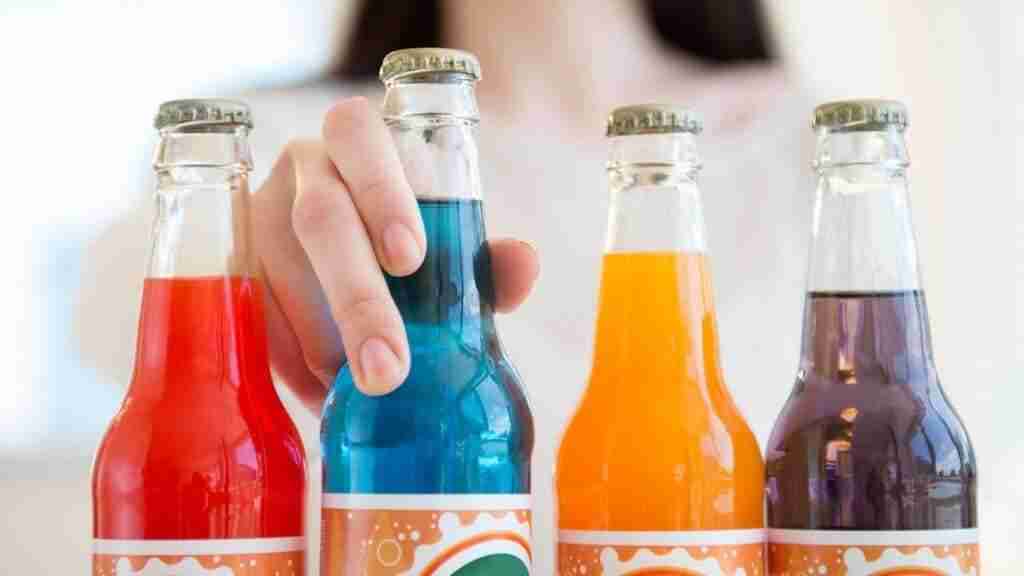
is a general term for beverages that contain carbonic acid gas. It is characterized by the fact that it is filled with carbon dioxide, and when consumed, the drink is foamy, creamy, cool and refreshing. Common ones are: lemon soda, orange juice soda, soda pop, apple soda, tonic soda, cola, and dry ginger soda.
02.
The origin and development of carbonated beverages
Carbonated beverages
originated from natural gas-containing mineral water at the end of the 18th century.In 1772, Englishman Priestley (Priestley) invented a device to make carbonated water saturated with carbonic acid, and became the ancestor of the manufacture of carbonated beverages. In 1807, the United States introduced carbonated water juice, such a product was well received, and this was the beginning of industrial production. Later, with the synthesis of artificial flavors, the manufacture of liquid carbon dioxide, the invention of cap-shaped cork and crown cover, the emergence of mechanized soft drink production line, only then did carbonated drinks first industrialized production in Europe and the United States and soon developed into the world.
China's carbonated beverage industry started late, in the early 20th century, soda equipment and production technology into China, in the coastal cities to establish small soda plants, such as, Tianjin Shanhaiguan, Shanghai Zhengguang and Guangzhou Asia, Shenyang Bawangsi and Qingdao soda plant, but the output is very low, such as the Shenyang Bawangsi soda plant put into operation in 1921 with an annual output of only 150 tons of soda. Since then, a number of small soft drink plants have been built in Wuhan, Chongqing and other places. On the eve of liberation, China's total output of beverages was only 5,000 tons. 1980, carbonated beverages have developed rapidly, and the total output of carbonated beverages reached 5.37 million tons in 2001.
03.
Classification of carbonated beverages
Classified according to the materials used for production
Juice-based carbonated beverages. Carbonated beverages that contain more than 2.5% natural fruit juice. Mainly orange juice carbonated drinks, pineapple carbonated drinks, etc.
Fruity carbonated beverages. Carbonated drinks that contain less than 2.5% natural fruit juice or flavors to add flavor. Mainly lemon carbonated drinks, orange carbonated drinks and so on.
Coke type carbonated drinks. Carbonated beverages containing cola, coca leaf extract, white lemon, or those with a spicy, fruity flavor. The main types are Coca-Cola, Pepsi-Cola, etc.
Other types of carbonated beverages. Carbonated beverages other than those mentioned above include salty carbonated beverages, soda water, etc.
04.
Characteristics of carbonated beverages
According to the above classification, the characteristics of each type of carbonated beverages are as follows.
Juice type carbonated beverages
It has the unique color, fragrance and taste of the fruit. Not only has the role of cooling and summer, but also has the role of nutrition. It generally contains 8%~10% soluble solids, 0.2%~0.3% acid and 2~2.5 times carbon dioxide. It is generally used as high-grade carbonic acid beverage. Mainly turbid and clarifying type. 2.
Fruity type carbonic acid beverage
Mainly the use of cane sugar, souring agents, coloring and food flavoring agents and other fruit-flavored products, mainly with a cooling effect to reduce heat, generally contains 8% to 10% sugar, containing 0.1% to 0.2% acid, containing carbon dioxide 3 to 4 times.
Coke carbonated drinks
It is one of the world's major products in the production of carbonated beverages, with a long history and unfailing sales, and can be divided into two categories: spicy and white lemon flavored. It is a fast developing variety of carbonated beverages.
In addition, there are special flavors of ginger-flavored carbonated drinks, electrolyte carbonated drinks, mineral carbonated drinks and so on.
Carbonated beverages mainly include cloudy type and clarified type, especially the cloudy type is closer to natural fruit juice, and the focus of processing is generally to ensure its stability.
05.
Benefits of carbonated beverages
The only good thing about carbonated beverages is that they have a unique effect, a sufficient amount of carbon dioxide can act as an antiseptic and antibacterial agent, taking away body heat through evaporation, which acts as a cooling effect and makes them very refreshing to drink.
06.
Dangers of carbonated beverages
Affects gastrointestinal function
The main ingredient of carbonated drinks is carbon dioxide, which is why they are so pleasant and exciting to drink. But a large amount of carbon dioxide in the gP'Palau U drink bacteria at the same time, the beneficial bacteria in our body will also have an inhibitory effect, so that the digestive system is damaged. Especially young people, like the stimulation brought by soft drinks, once drink too much, the release of carbon dioxide is likely to cause bloating, Zuhr appetite, and even cause gastrointestinal disorders.
It can also cause many diseases
Carbonated beverages contain very high amounts of sugar, excessive sugar in the beverage is absorbed by the body, it will produce a lot of heat. It is bound to cause obesity in the long run. In particular, it also puts a lot of strain on the kidneys, which is one of the pitfalls of causing diabetes. Sugar is also detrimental to the development of children's teeth, even if you choose sugar-free carbonated drinks, because the drink is still very acidic, can also lead to tooth decay.
Causes calcium deficiency
Most carbonated beverages contain phosphoric acid, and high intake of phosphoric acid can impair the absorption of calcium. This causes an imbalance in the ratio of calcium to phosphorus, and for growing adolescents, a calcium deficiency undoubtedly means slow bone development and osteoporosis. It has been shown that adolescents who regularly consume large amounts of carbonated beverages have three times the risk of fractures as other adolescents.
07.
The main raw materials for carbonated beverages
The raw materials for carbonated beverages can be broadly divided into three categories: water, carbon dioxide and food additives. The quality of the raw materials will directly affect the quality of the product. Therefore, it is necessary to master a variety of raw material composition, performance, dosage and quality standards, and the corresponding treatment, in order to produce qualified products.
Water for beverages
The content of water in carbonated beverages is above 90%, so the quality of water has a great impact on product quality. Water for beverages has stricter requirements for water quality than ordinary drinking water, with higher requirements for various indicators such as water hardness, turbidity, color, taste, odor, iron, organic matter and microorganisms. Even after strict treatment of tap water, it can only be used as beverage water after proper treatment. Generally speaking, water for beverages should be colorless, odorless, free of suspended solids and sediment, clear and transparent. The total hardness should be below 8 degrees, pH 7, and the content of heavy metals should not exceed the target.
Carbon Dioxide
The "gas" in carbonated beverages is the compressed carbon dioxide gas that is filled into the bottle. When you drink carbonated beverages, you are actually drinking a certain concentration of carbonic acid. The carbon dioxide used in the production of soft drinks is usually packaged in cylinders and compressed into liquid carbon dioxide, which is usually processed before use.
Food Additives
Correct and reasonable selection and use of additives can make carbonated beverages color, aroma and taste are all good. Food additives commonly used in the production of carbonated beverages include sweeteners, acidifiers, flavoring agents, coloring agents, preservatives and so on. In addition to granulated sugar, the sweetener used is mainly saccharin; the acidifier is mainly citric acid, malic acid, tartaric acid, phosphoric acid and so on; the flavoring agent is generally a fruity water-soluble food flavor, which is currently used more oranges, lemons, bananas, pineapples, star fruits, apples and other fruity food flavor; the coloring agent mostly uses synthetic pigments, which are lemon yellow, rouge, indigo and so on.
08.
The process of making carbonated beverages
water treatment
The water from the source cannot be used directly in the preparation of beverages and needs to undergo a series of treatment. Generally, it has to be purified, softened and disinfected before it can become water for beverages to meet the requirements, and then cooled down and turned into carbonated water after being fed into a blender. The water quality of various water sources varies greatly. Before treatment, the need for a detailed understanding of the water source and the physical and chemical analysis of the water, in order to carry out effective treatment.
Carbon Dioxide Treatment
Carbon dioxide in cylinders often contains impurities, and sometimes odors and tastes, which can make the quality of the soft drink poor. Therefore, it must be treated by oxidation and deodorization to supply pure carbon dioxide.
Compounding
Dosing is the most important process in the production of soft drinks. It includes three processes: dissolving sugar, filtering and batching. Sugar dissolution is the addition of sugar to water to dissolve the sugar solution, and there are two methods: hot dissolution and cold dissolution.
09.
Situation analysis of the carbonated beverages market
According to a report published by Grand View Research, the global carbonated beverages market size was valued at USD 406.89 billion in 2019 and is expected to grow at a compound annual growth rate (CAGR) of 5.1% from 2020 to 2027.
The global carbonated beverages market is expected to reach USD 607.25 billion by 2027, growing at a CAGR of 5.1% from 2020 to 2027. Rising demand for premium beverages coupled with improving economic indicators in developing countries is expected to boost market growth.
Moreover, increasing spending by soft drink manufacturers is playing a crucial role in the industrial movement across the globe. These innovations are being introduced into products, packaging, distribution and other aspects of the business.