
Complete Water Bottling Line Equipment List
If you are specifying a bottled water plant, the first question is usually not 'how much does it cost' but 'what machines actually make up a complete line, and which ones do I really need?' This page answers that — a station-by-station equipment list for a complete bottled water production line: water treatment, bottle forming, rinsing–filling–capping, labeling, coding, packing, conveying, and palletizing. For each station we state what the machine does, link to its equipment page, and flag whether it is usually included, often optional, or depends on your bottle format, line speed, and packing method. This page does not quote prices or capacity figures; it exists to make full line scope legible so you can prepare a tighter, higher-quality quotation request.

Complete Equipment List
Soft procurement language is used throughout. “Usually included” and “often optional” reflect typical line scope; the final machine list is confirmed from your product, container mix, and target output during RFQ. Rows without a product link are scope-dependent items whose supply path is confirmed during quotation.
| Station | Machine | Purpose | Usually included / optional / depends | Product link | Buyer note |
|---|---|---|---|---|---|
| Water prep | 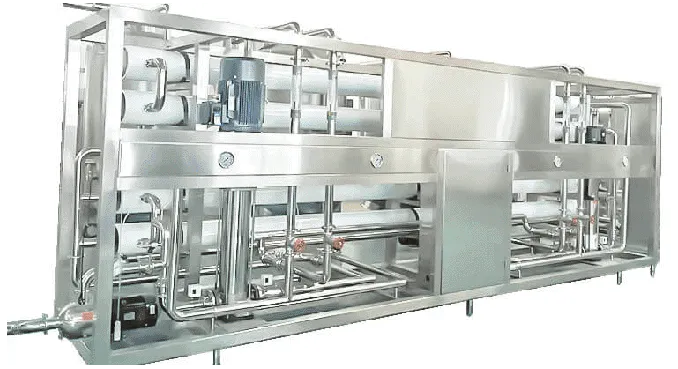 RO Water Treatment System | Purifies and conditions water for purified / RO-with-remineralization products | Usually included (purified water lines) | View equipment → | Sized from your incoming water test report |
| Water prep | 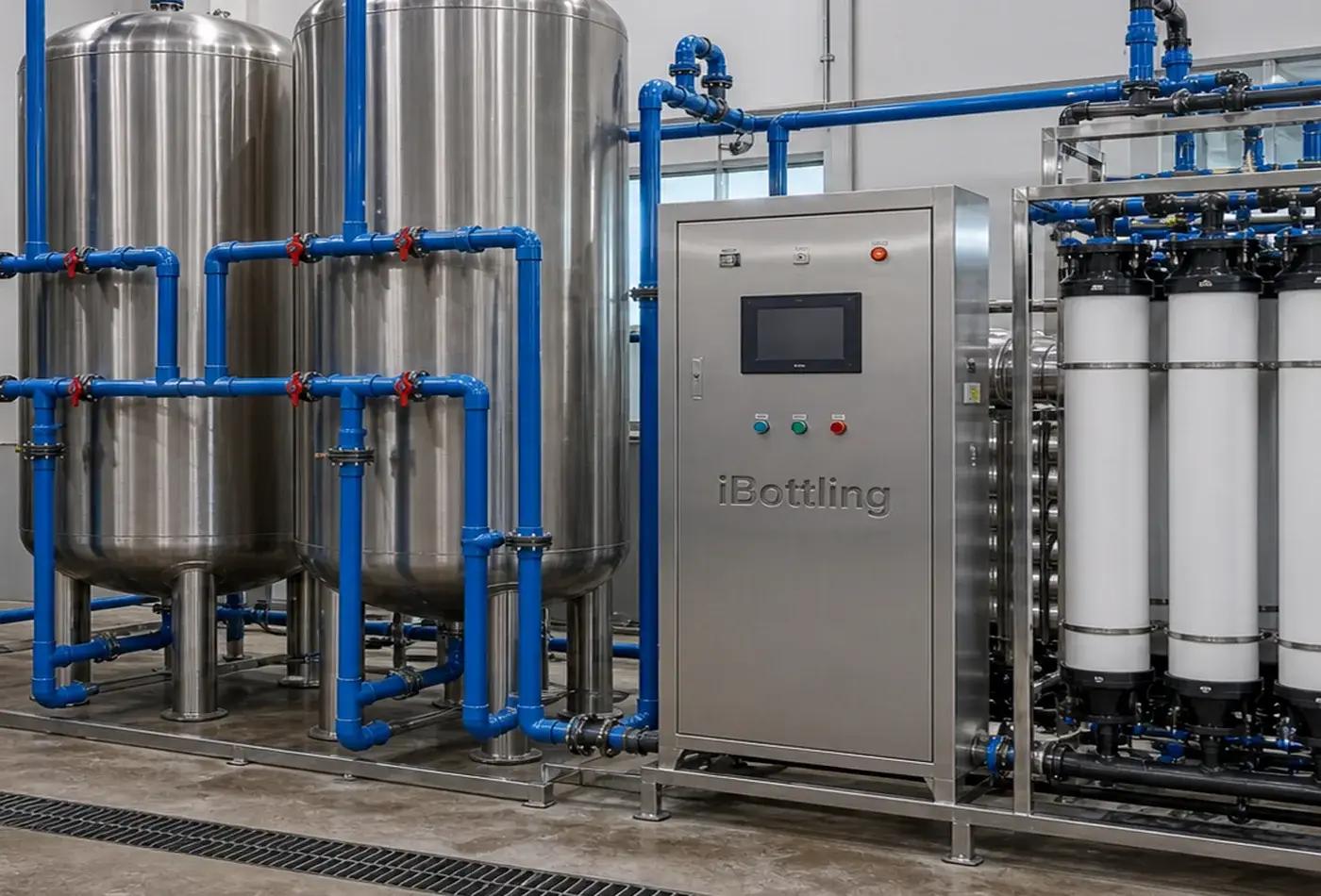 UF Mineral Water Purification System | Ultrafiltration for selected mineral / spring water sources — only where product standard and local regulation permit | Depends on source and product standard | View equipment → | Relevant only where source, product standard, and local regulation allow; confirm during RFQ |
| Water prep (support) | 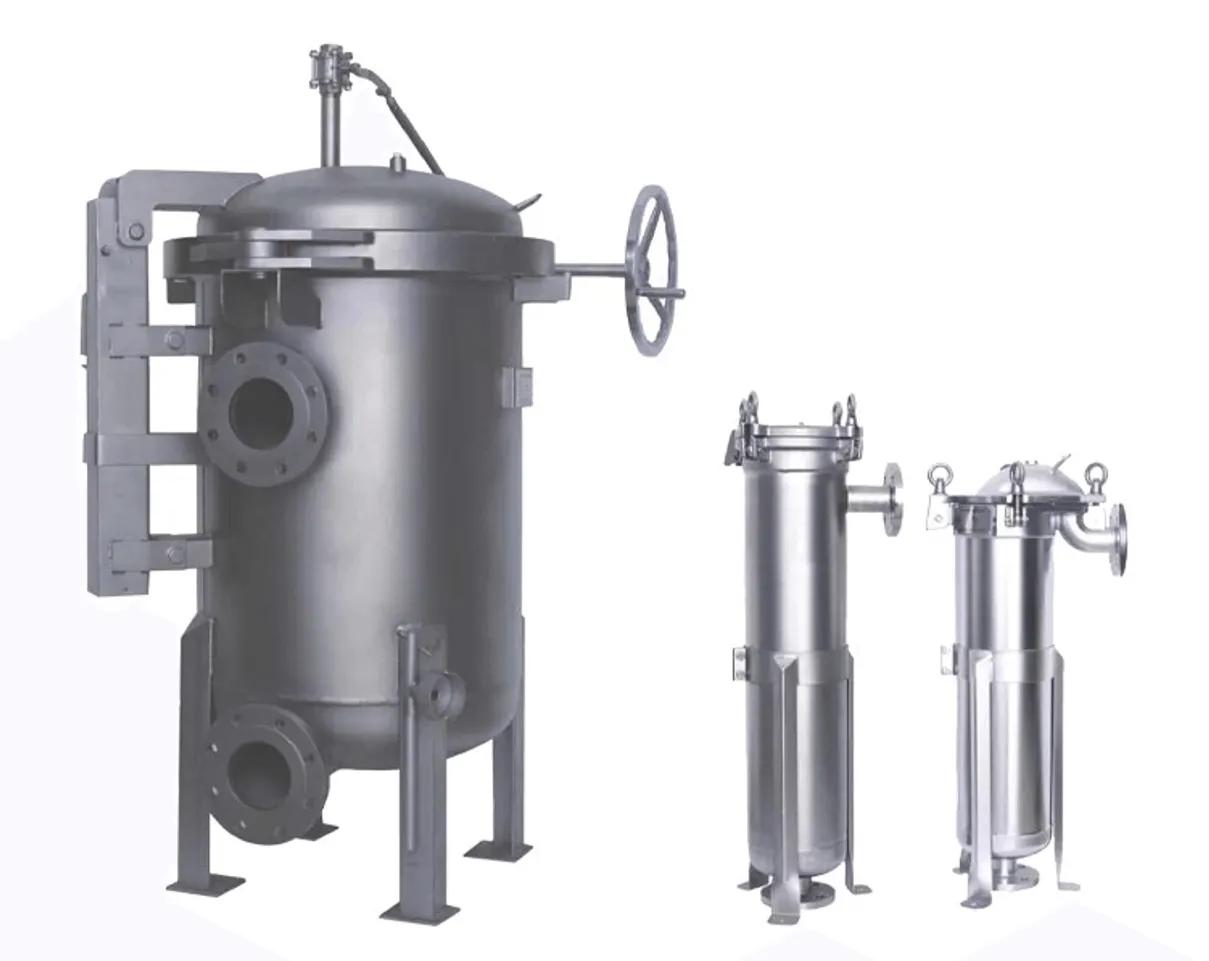 Beverage Filtration System | Pre-filtration and polishing | Depends (support) | View equipment → | Added based on source water and product |
| Water prep (support) | 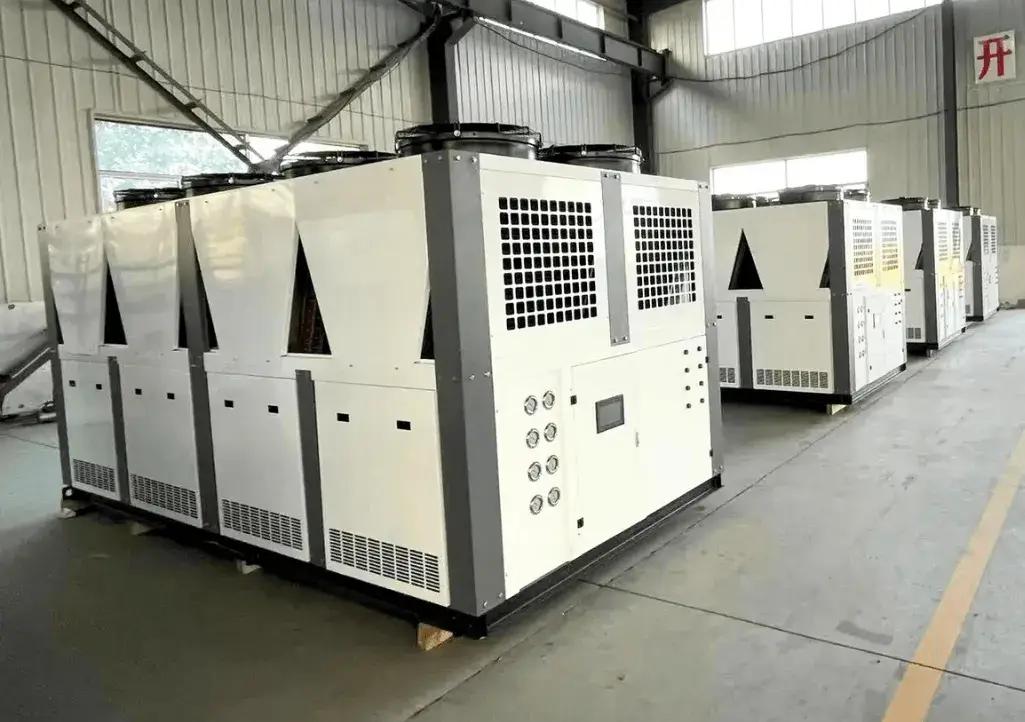 Beverage Water Chiller | Cools water before filling | Depends / often optional (not required for still water) | View equipment → | Confirm if your product needs chilling |
| Water prep (support) | Finished-water buffer tank | Holds treated water between treatment and filler | Depends — confirm during quotation | Confirm during quotation | Confirm whether included in the treatment skid |
| Blow | 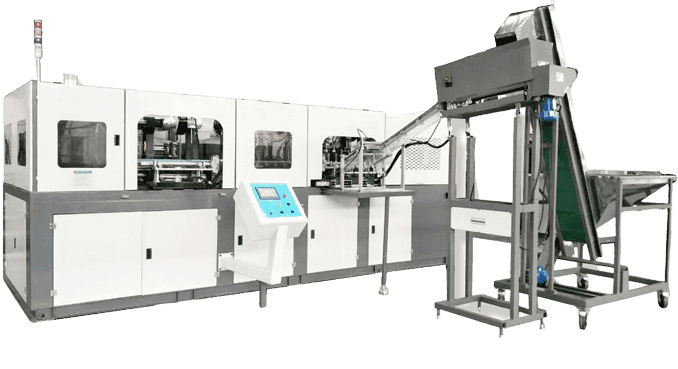 Automatic PET Blow Molding Machine | Forms PET bottles in-line from preforms | Often included / depends — when bottles are blown in-house rather than sourced as preforms | View equipment → | Whether in-house blowing is used depends on your sourcing choice |
| Blow | 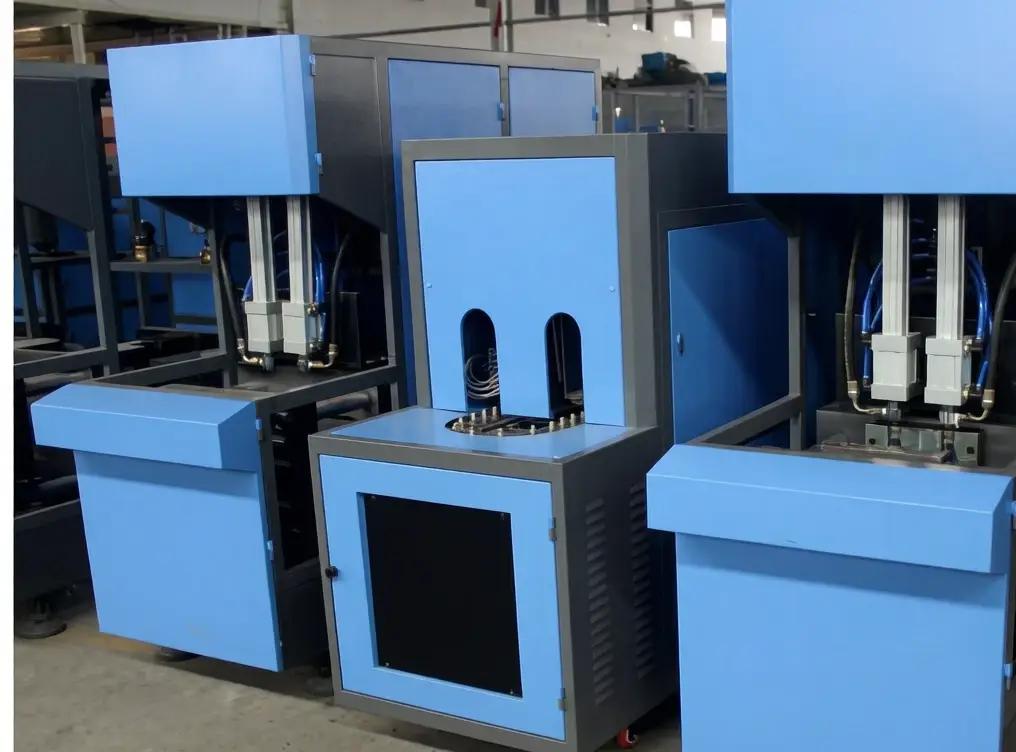 Semi-Automatic PET Blow Molding Machine | Lower-output blow molding for startup / small runs | Often optional | View equipment → | Alternative for low-volume scope |
| Blow | 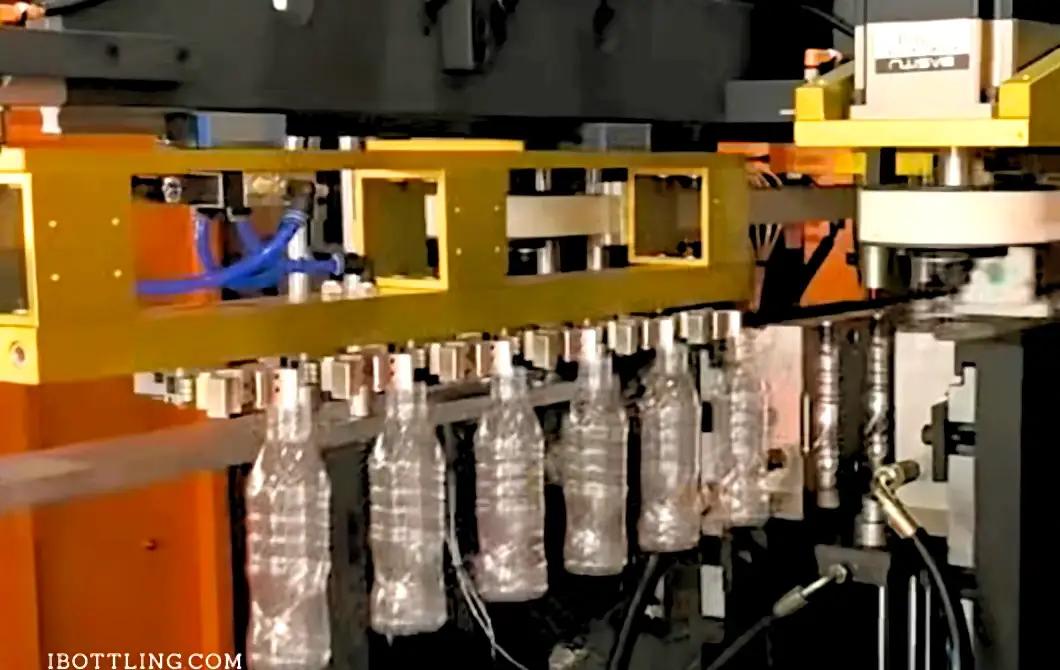 Variable Pitch PET Blow Molding Machine | Higher-output blow molding | Often optional | View equipment → | For higher cavity / output needs |
| Fill (PET) | 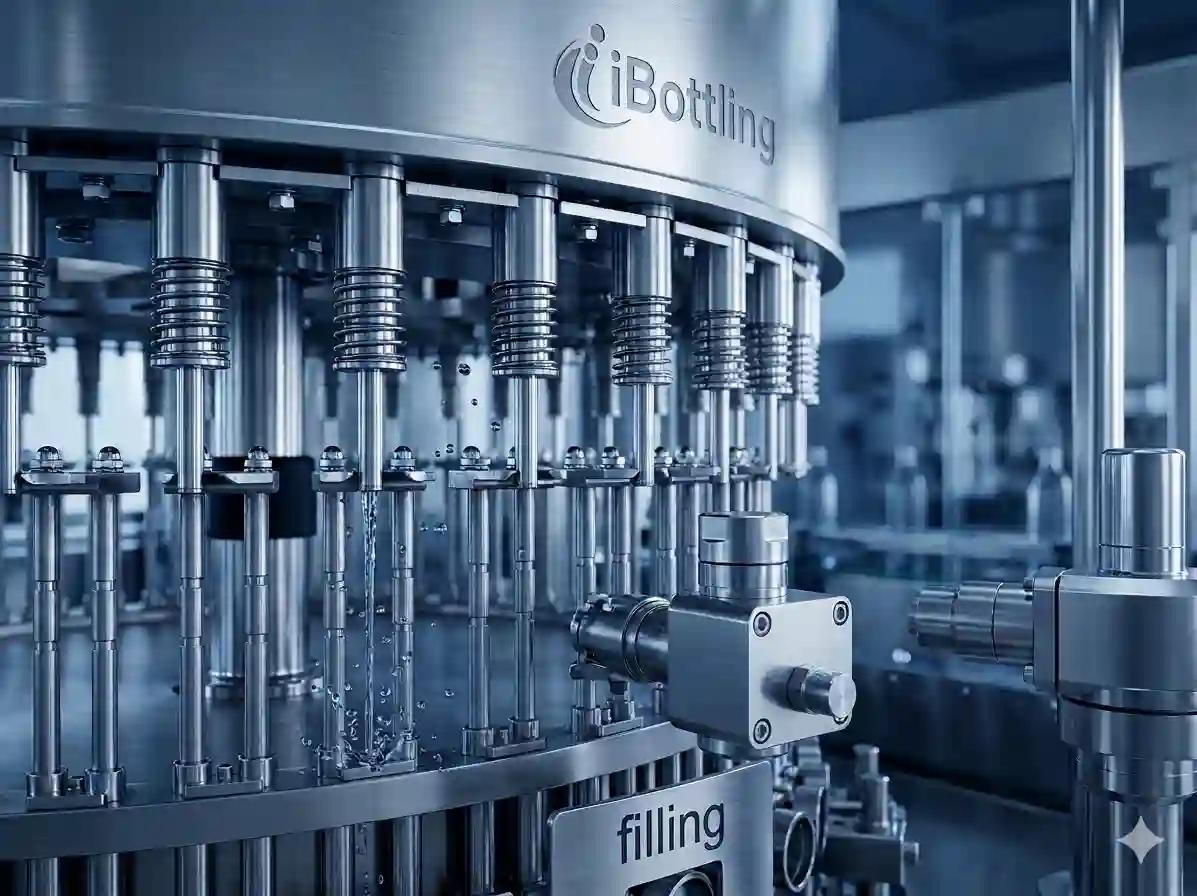 PET Water Filling Machine (monoblock) | Rinses, fills, caps PET bottles | Usually included (PET lines) | View equipment → | Filling method and configuration are confirmed according to the product and bottle format |
| Fill (5 gal) | 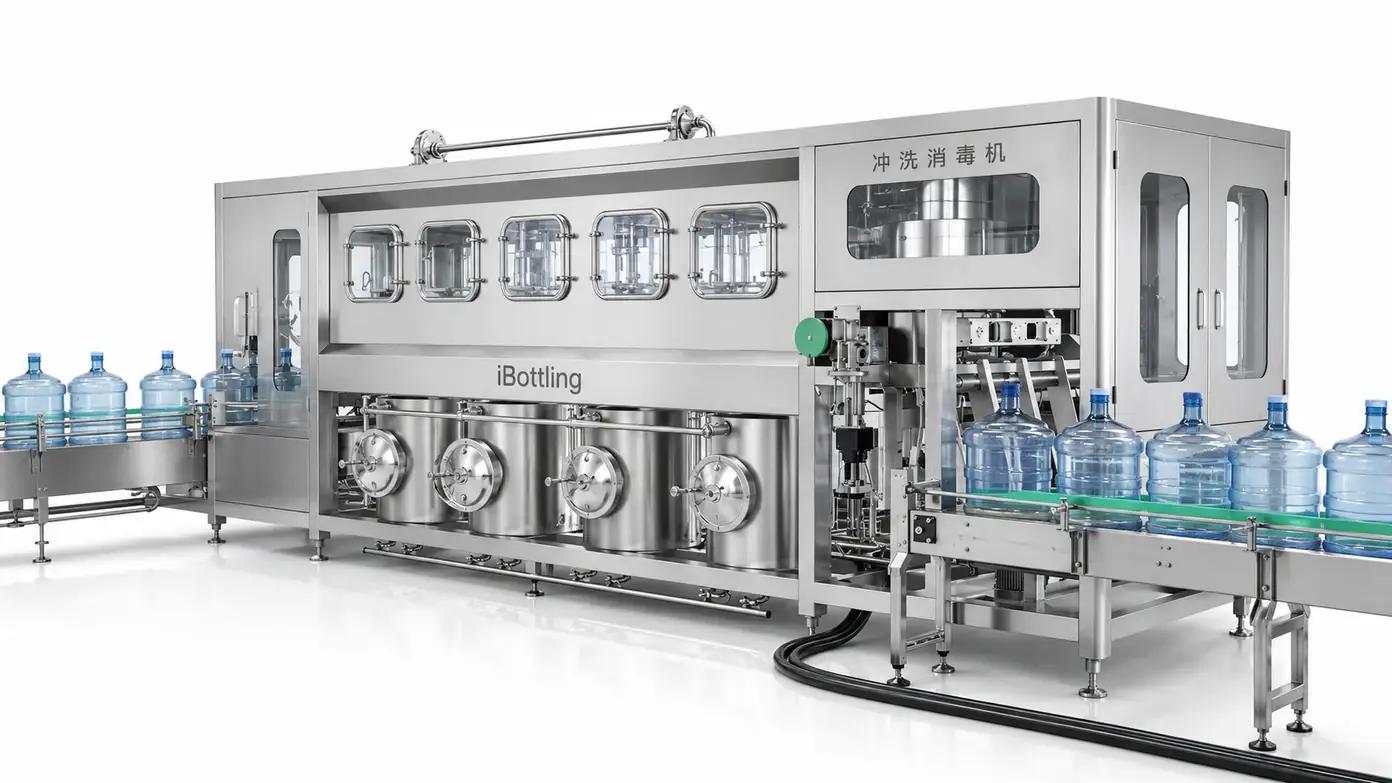 5 Gallon (18.9L) Water Filling Machine | Dedicated monoblock for returnable / non-returnable 5-gallon jars | Usually included if 5-gallon in scope | View equipment → | Specified separately from the PET line |
| Fill (3–10L) | 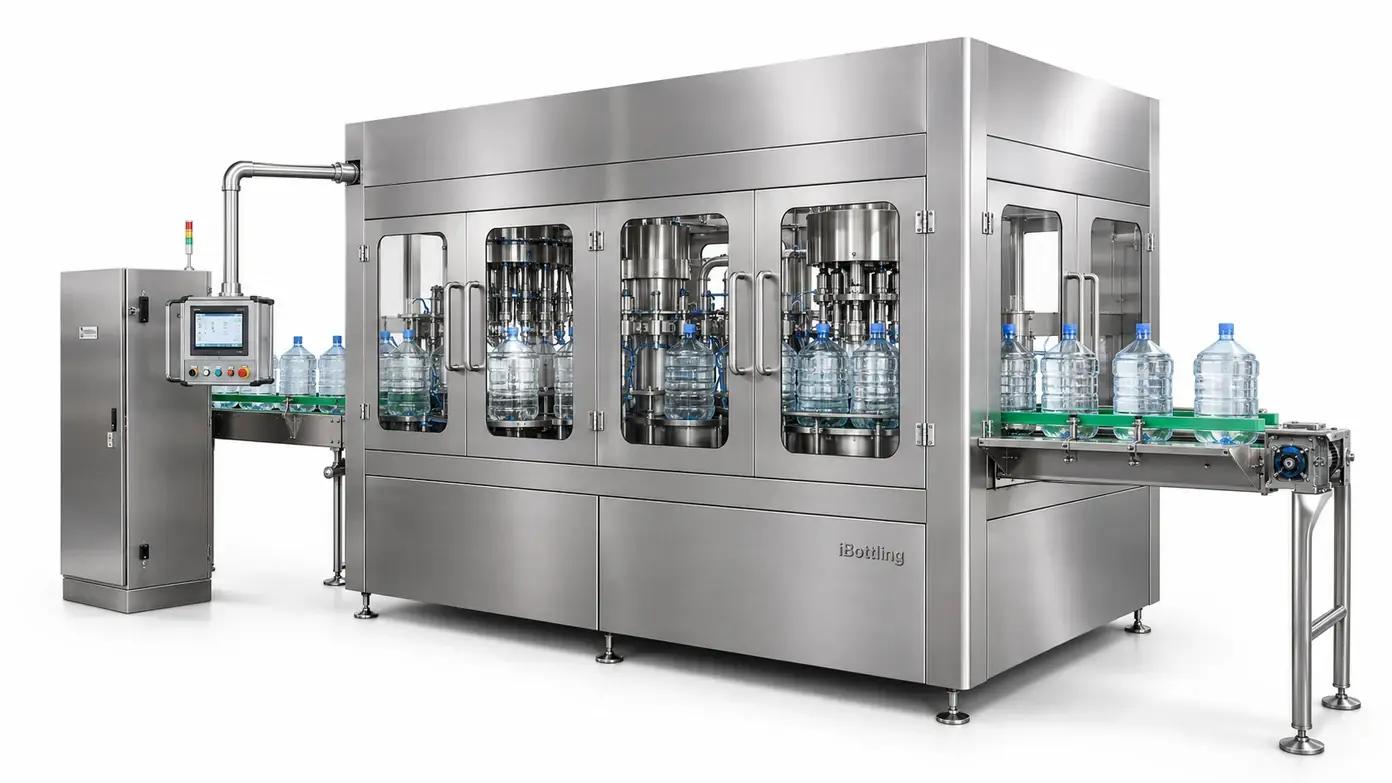 3L–10L Big Bottle Water Filling Machine | Large-format bottle filling | Depends (if large-bottle range in scope) | View equipment → | Confirm your bottle range |
| Fill (support) | Cap feeder / cap sterilizer | Feeds and sanitizes closures | Often added — confirm during quotation | Confirm during quotation | Confirm supply path (integrated or third-party) |
| Label | 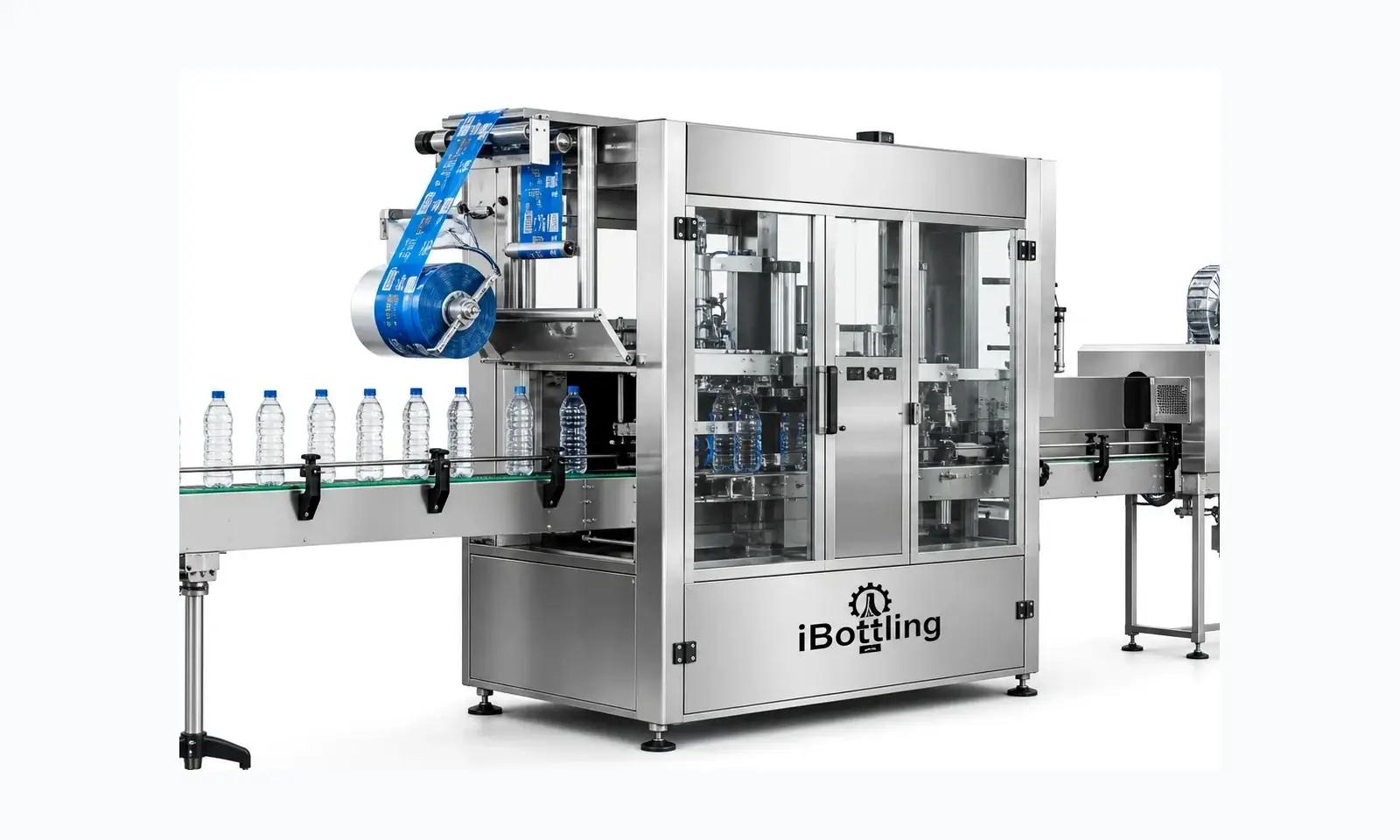 Shrink Sleeve Labeling Machine | Full-body sleeve labeling | Often optional (one of three) | View equipment → | Choose by bottle shape / market |
| Label | 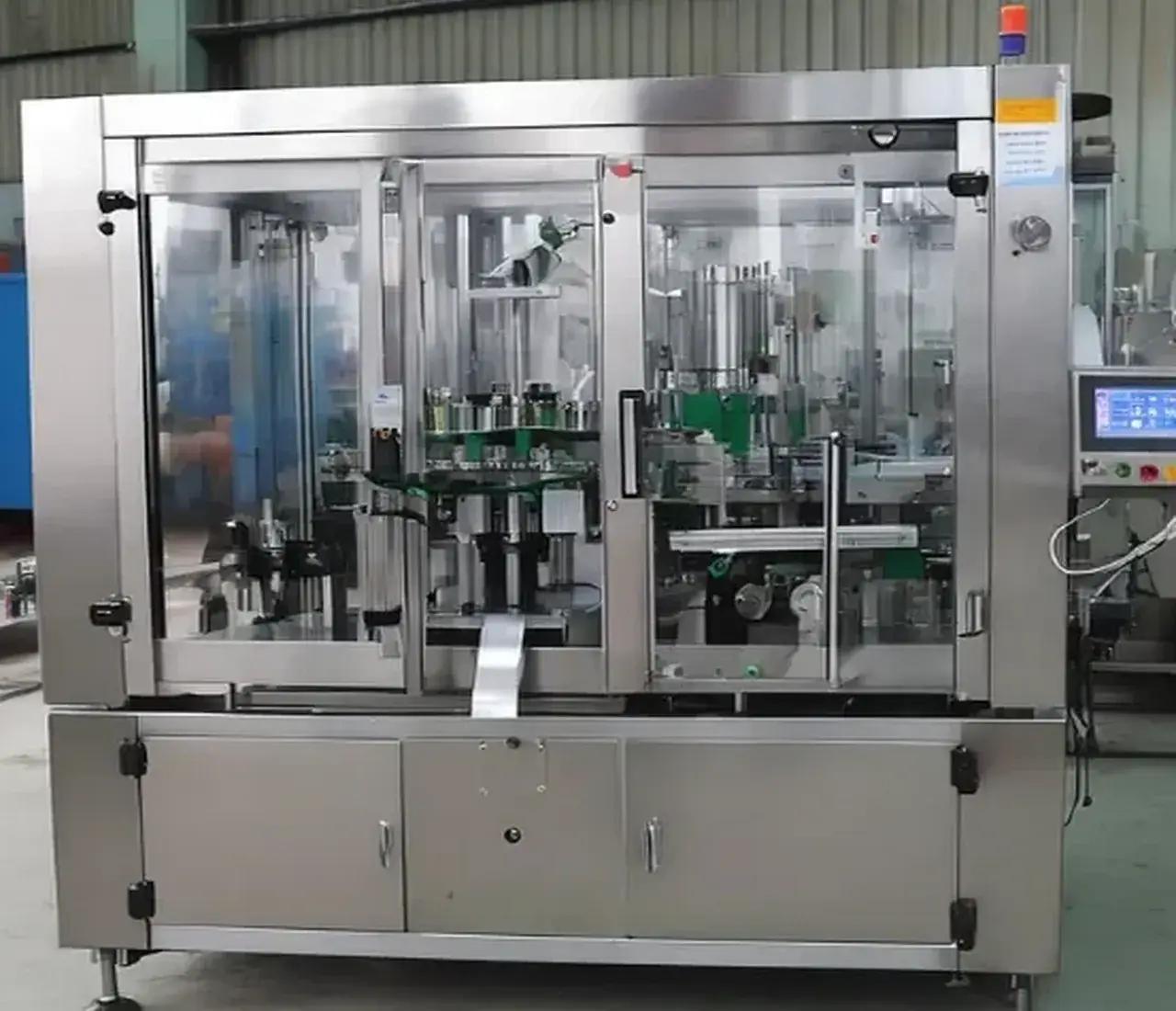 Adhesive Sticker Labeling Machine | Pressure-sensitive label application | Often optional (one of three) | View equipment → | |
| Label | 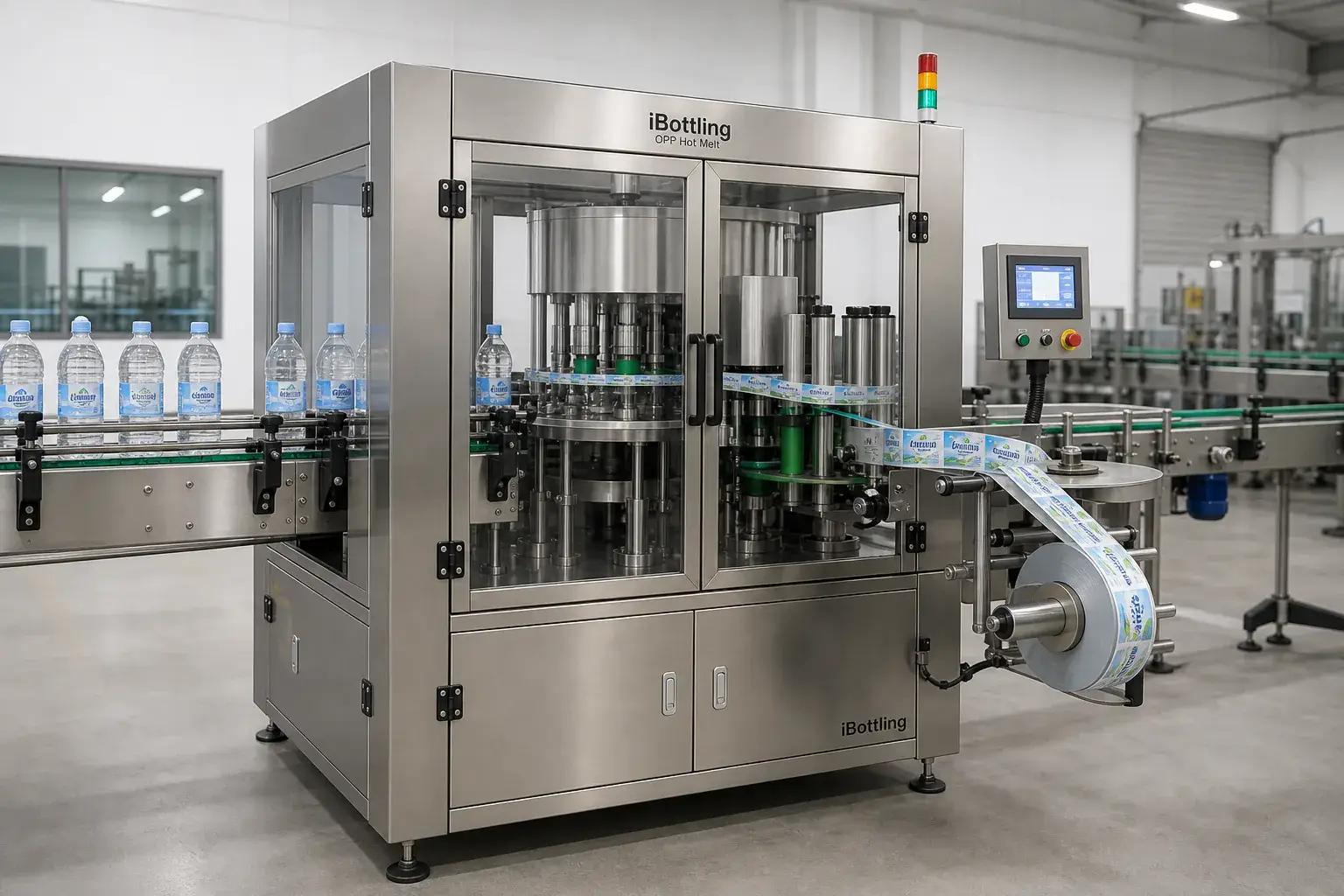 OPP Hot Melt Labeling Machine | Roll-fed OPP labeling | Often optional (one of three) | View equipment → | |
| Code | 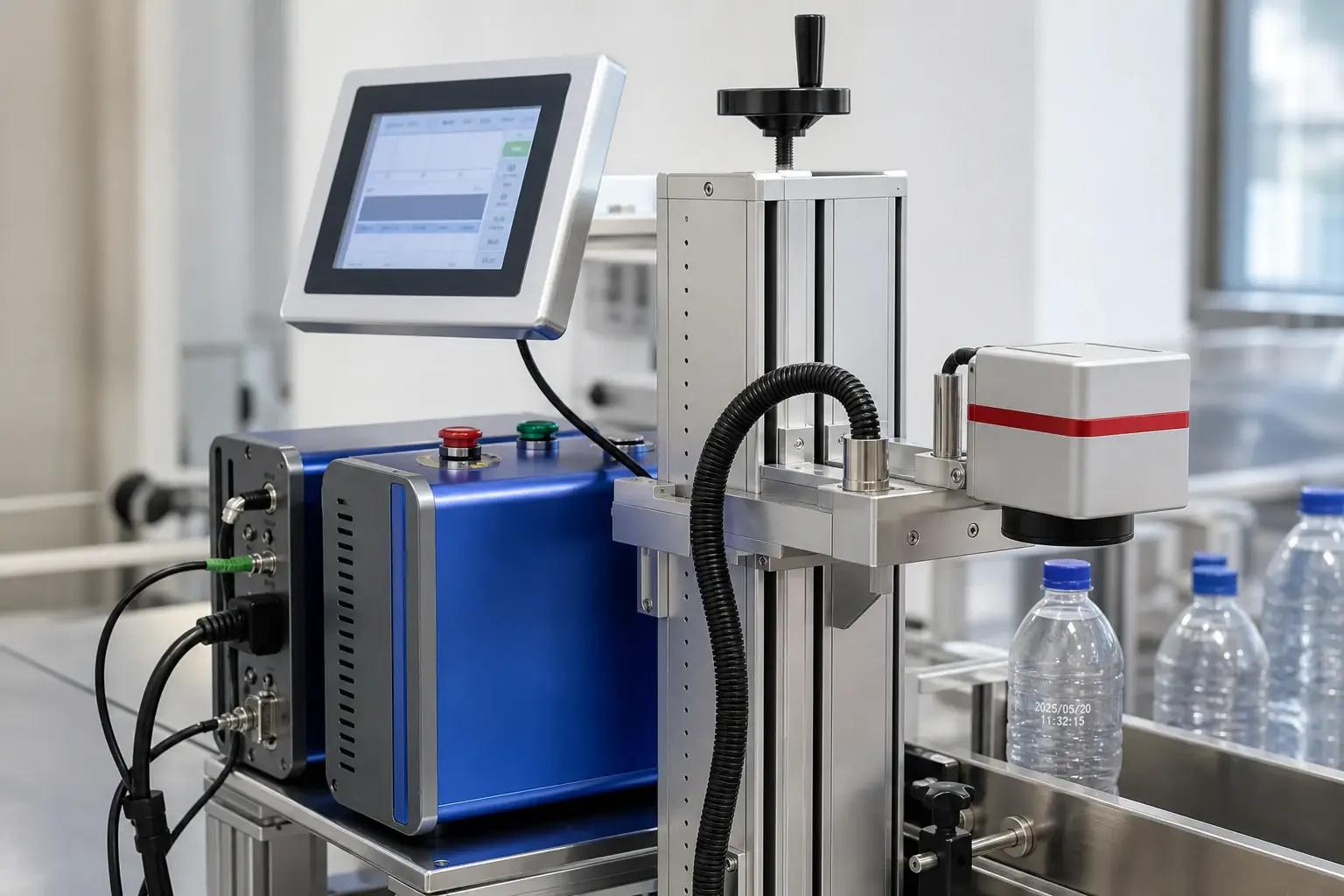 Laser Coding Machine | Date / batch coding for traceability | Depends | View equipment → | Added where the market requires |
| Pack | 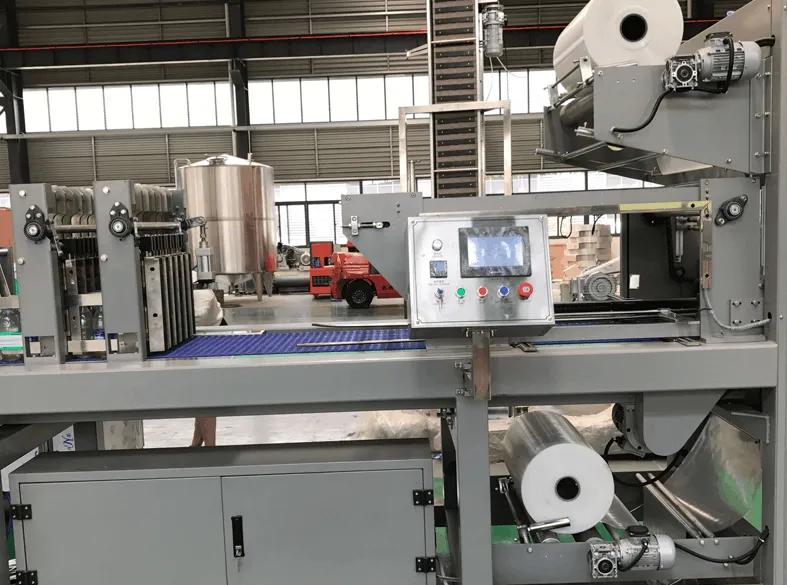 Shrink Wrapping Machine | Primary film pack (bundle) | Usually included / depends | View equipment → | Common primary pack for water |
| Pack | 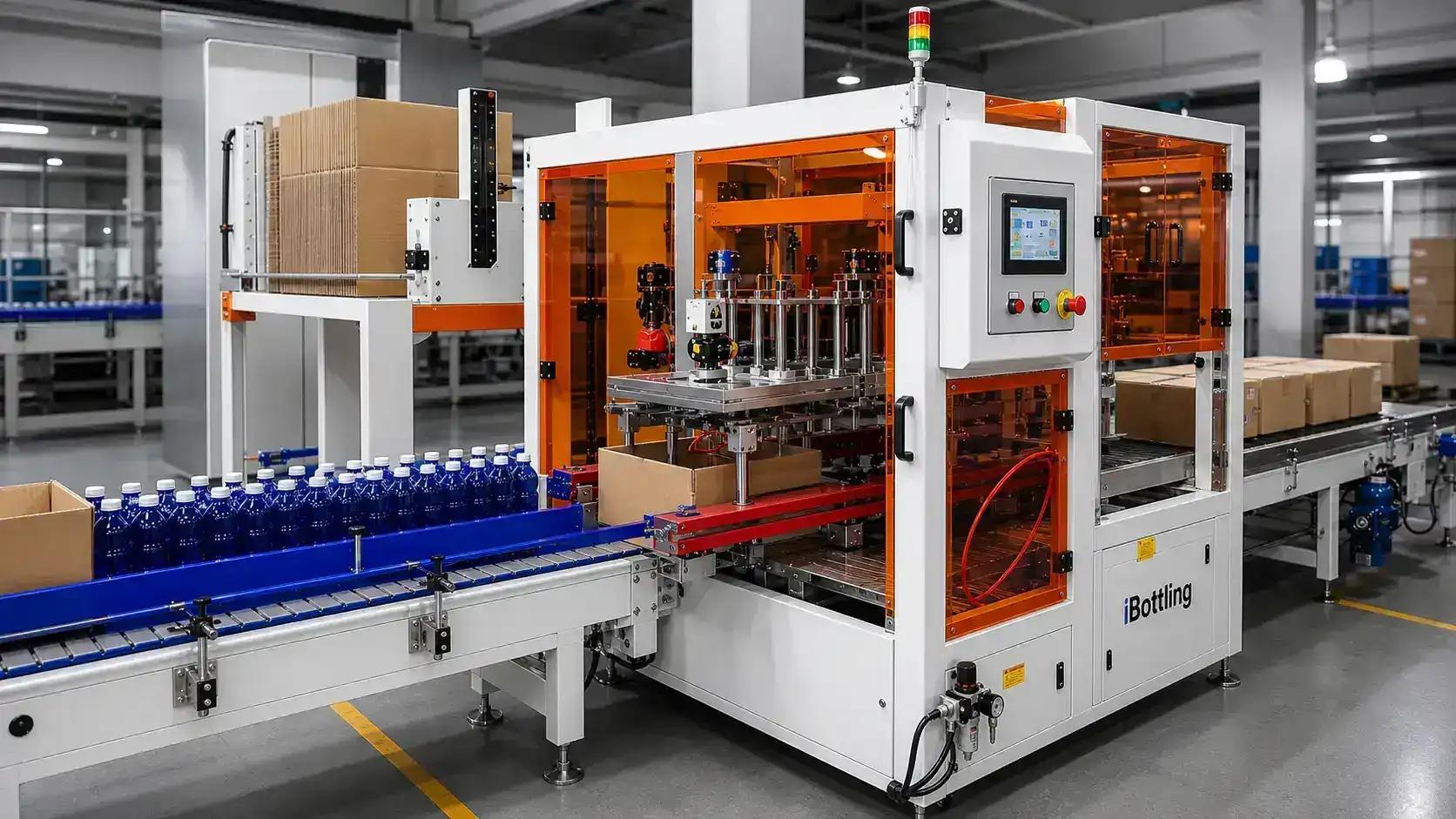 Automatic Carton Packing Machine | Carton packing alternative | Optional / depends | View equipment → | |
| Convey | 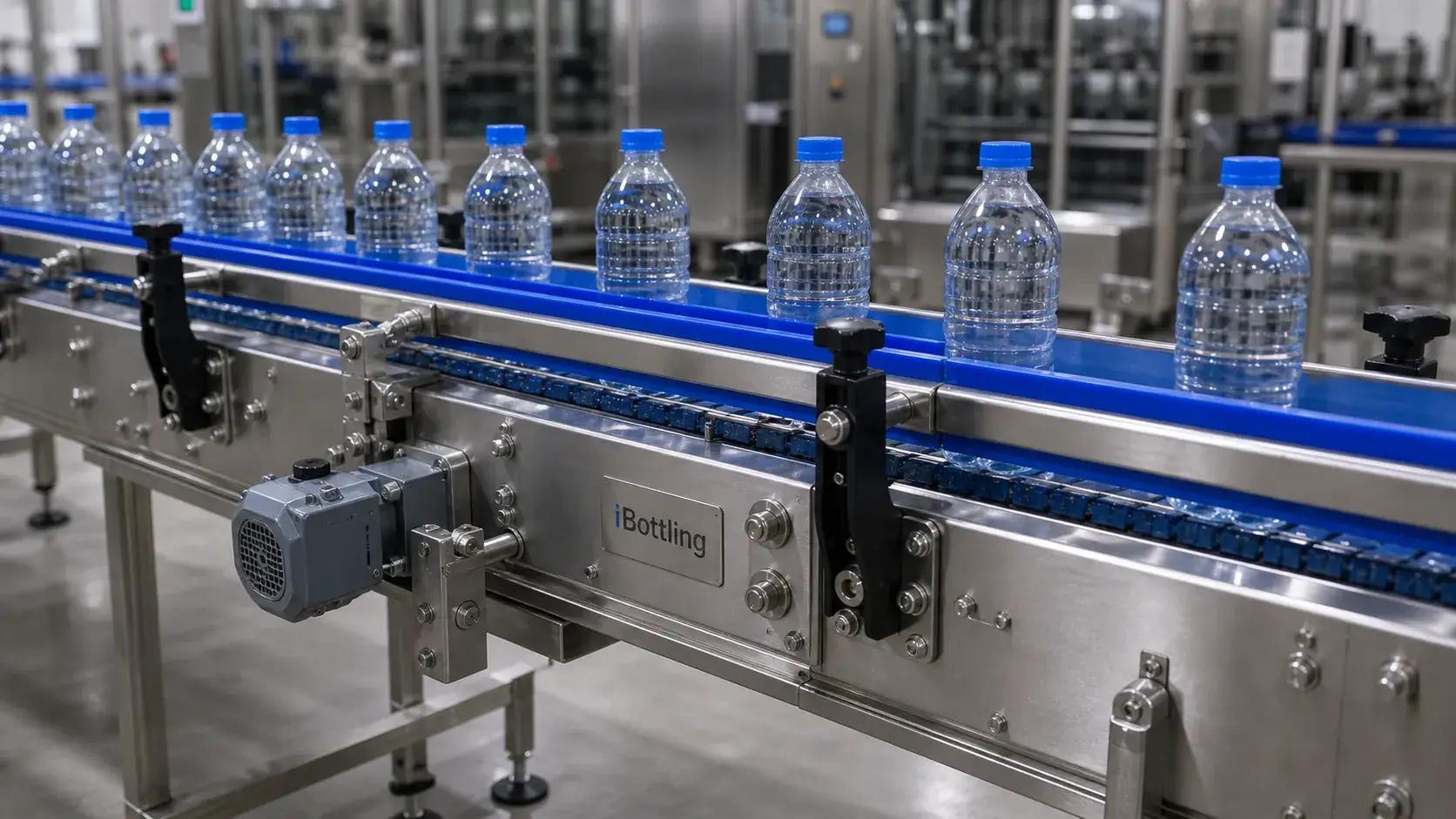 Beverage Conveyor System | Air + belt conveyors and line integration | Usually included | View equipment → | Central PLC / HMI control |
| Palletize | 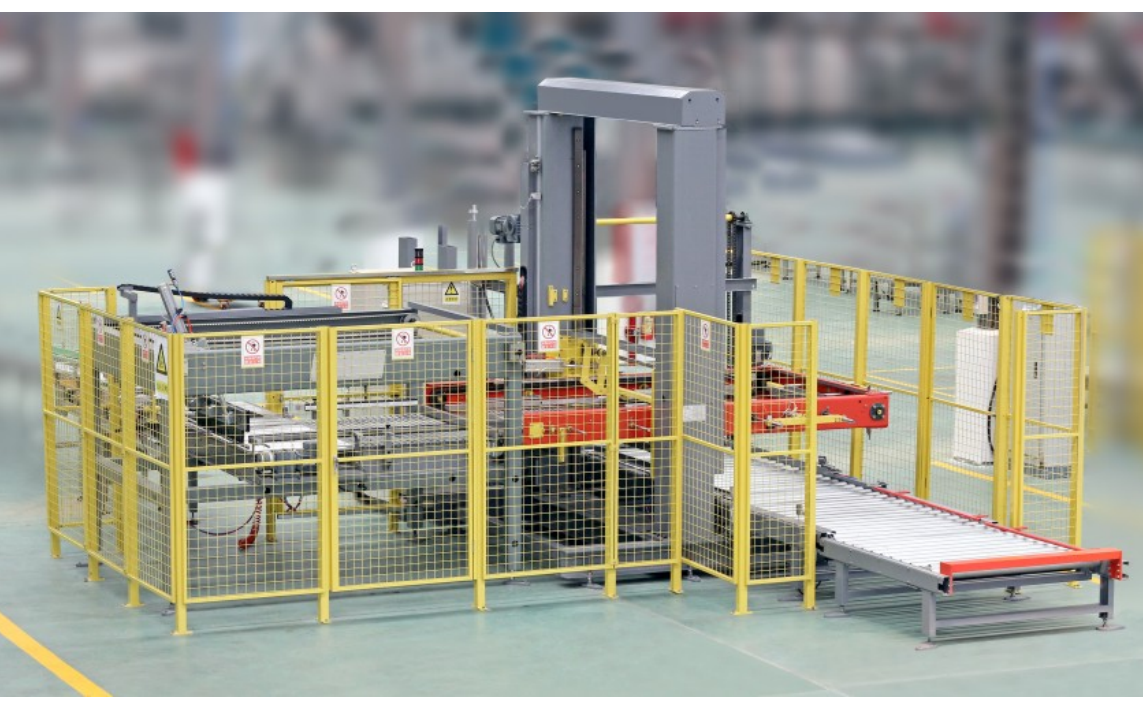 Automatic Bottle Palletizer | Stacks finished goods at line end | Usually included / depends | View equipment → | Automatic finished-goods stacking at the end of the line |
| Optional | Leak detector / bottle dryer | Inspection and drying | Often optional — confirm during quotation | Confirm during quotation | Confirm if offered |
Water treatment and storage
Water treatment is the first and most site-specific step. The required process depends on whether the product is natural mineral water, spring water, purified water, or RO water with remineralization.
A typical purified-water train covers multi-media filtration, activated carbon, security filtration, and reverse osmosis, with optional UV or ozone and remineralization for taste where the product calls for it.
Natural mineral and spring water are governed by source-specific regulation and are not 'treated' the same way as purified water — their design follows the source permit rather than a generic RO train. Whether any ultrafiltration or other process applies is determined by the specific source, the target product standard, and local regulation; it is not assumed and must be confirmed during RFQ.
We size the treatment train from your incoming water test report during RFQ; the applicable process is project-specific and confirmed against your source and product definition.
A finished-water buffer tank may be included as part of the treatment skid; confirm whether it is part of the supplied scope.
Bottle blowing or bottle supply
PET bottles are typically formed in-line on an automatic blow molder paired to the filler, or supplied as preforms — whether in-house blowing is used depends on your sourcing choice.
When a blow molder is used, it is matched to the filler so empty bottles arrive at the right rate. Key selection points are preform and bottle specification, cavity count, neck finish, and filler compatibility. Local preforms can be used where they meet the blow-molder spec.
For lower-output or startup scope, a semi-automatic or variable-pitch blow molder is often optional. Buying preforms instead of blowing bottles is a valid alternative supply route — it is a sourcing decision, not a machine.
Rinsing, filling and capping
The monoblock combines rinsing, filling, and capping in one frame for hygiene and footprint. The filler is matched to the bottle format, closure, and line scope; the filling method and configuration are confirmed according to the product and bottle format.
Capping is matched to your closure and neck finish; change parts cover the agreed container set. A 5-gallon (18.9L) line uses a dedicated monoblock and is usually specified separately from the PET line.
Cap feeding and cap sterilization are supporting items rather than standalone catalog machines today. They are often added for closure hygiene and line throughput, and are typically integrated or supplied as part of the filling/capping scope; confirm the exact supply path during RFQ.
Labeling
Labeling options — shrink sleeve, adhesive sticker, or OPP roll-fed — are chosen by bottle shape and market. Typically one of the three is selected, not all. The choice is confirmed during line design.
Date coding
Batch / date coding (for example laser coding) is added where the market requires traceability or compliance. It is a depends item rather than a universal inclusion.
Packaging
Packing covers shrink wrap, carton, or film. Shrink wrapping is the common primary pack for bottled water; carton packing is an alternative. The choice depends on your pack format and distribution model.
Conveyors and line integration
Air conveyors move empty bottles between blower and filler; full bottles ride belt conveyors through labeling and packing. Central electrical control (PLC + HMI) coordinates the line so speed and changeover are managed from one panel.
Conveying and integration are usually included as the backbone that ties the stations together.
Palletizing
Palletizing closes the line by automatically stacking finished goods. A bottled water line uses a palletizer for finished-goods stacking at the end of the line.
Note: a depalletizer performs the opposite task — unloading incoming containers. The two are distinct; this page refers to the line-end palletizer.
Optional inspection, leak detection, bottle dryer and utilities
Leak detection and bottle drying are optional inspection and utility items rather than dedicated catalog machines today. They are often added depending on product and market requirements; confirm whether they are offered during RFQ.
CIP is built into the filler circuit, and central electrical control is part of line integration.
PET bottle line vs 5-gallon line
The two formats share most of the same station logic but differ in the forming and filling stages.
A PET bottle line typically includes PET blow molding (forming bottles in-line) plus a PET rinser–filler–capper monoblock for small-format PET bottles. Whether the blow molder is included depends on whether bottles are blown in-house or sourced as preforms.
A 5-gallon / 18.9L line uses a dedicated 5-gallon rinser–filler–capper monoblock for returnable or non-returnable jars. It does not use a PET blow molder, because the container is a reusable or separately supplied jar rather than a formed PET bottle.
Returnable 5-gallon lines may require additional bottle handling and washing modules, such as decapping, external brushing, internal washing/rinsing, and downstream handling. Confirm the exact scope during quotation; their availability and design are project-specific.
Both formats still need water treatment, labeling, coding, packing, conveying, and palletizing. Capacity tiers and configuration examples are detailed on our Bottled Water Plant Solutions page.
Required vs optional machine guidance
Use the equipment table above as the starting point. In practice:
Core scope — water treatment, the rinser–filler–capper, conveying/integration, and a primary pack are the backbone of almost every line. In-house PET bottle forming and the dedicated 5-gallon monoblock are format-dependent.
Format-dependent machines — blow molder (PET only, and only when bottles are blown in-house), 5-gallon monoblock (only if 5-gallon is in scope), 3L–10L filler (only if large bottles are in scope).
Optional inspection and packing items — laser coding, carton packing, leak detection, bottle dryer, cap sterilizer. These are added to match your compliance, traceability, and hygiene requirements.
Confirm during RFQ — final machine list, the buffer tank, cap feeder/sterilizer supply, and leak-detection/dryer availability are all confirmed from your product, container mix, and target output.
What to prepare before requesting a quotation
Target capacity and shift plan — expected output and operating shifts.
Bottle sizes, preform and bottle specs, and neck finish — including whether you will blow bottles in-house or supply preforms.
Your local water source and a recent water test report — this drives the treatment train design and the applicable process for your product.
Available utilities — three-phase power, compressed air, incoming water, and CIP drainage.
Preferred pack format — shrink wrap, carton, or film.
Factory layout or available space — so we can propose a straight or L-shaped layout.
Destination country / market — with any compliance or labeling requirements.
These items are reused from our Bottled Water Plant Solutions 'Questions to Send' checklist.
Frequently Asked Questions
What equipment is needed for a complete bottled water production line?
The standard scope groups into stations: water treatment and storage, bottle blowing or bottle supply, rinsing–filling–capping, cap feeding/treatment, labeling, date coding, packaging, conveyors and line integration, and palletizing. The exact list is confirmed from your product, container mix, and target output during RFQ.
What does a water treatment system include?
It depends on the product. A purified-water train typically covers multi-media filtration, activated carbon, security filtration, and reverse osmosis, with optional UV/ozone and remineralization. Natural mineral and spring water follow source-specific permits rather than a generic RO train, and any ultrafiltration or other process is only relevant where the source, the target product standard, and local regulation permit — confirm during RFQ. We size the applicable train from your incoming water test report.
Should I blow bottles in-house or buy preforms/bottles?
Both are valid. An in-line PET blow molder is often included for PET lines when the buyer wants in-house bottle production; supplying preforms (or bottles) is a valid alternative sourcing route. The choice depends on whether bottles are blown in-house or sourced externally.
How does a PET water line differ from a 5-gallon line in equipment?
A PET line typically includes blow molding plus a PET rinser–filler–capper monoblock for small-format PET bottles. Whether the blow molder is included depends on whether bottles are blown in-house or sourced as preforms. A 5-gallon/18.9L line uses a dedicated monoblock for returnable or non-returnable jars and does not use a PET blow molder, because the container is a jar rather than a formed PET bottle. Returnable 5-gallon lines may also need bottle handling and washing modules (decapping, brushing, internal washing) — confirm exact scope during RFQ.
Which labeling machine should I choose?
The choice is between shrink sleeve, adhesive sticker, and OPP roll-fed labeling, decided by bottle shape and market. Typically one of the three is selected, not all.
What packaging machines are used?
Shrink wrapping is the common primary pack for bottled water; carton packing is an alternative. Palletizing closes the line by stacking finished goods.
Do I need a cap feeder and cap sterilizer?
They are often added for closure hygiene and throughput. They are not separate catalog machines today; confirm the supply path (integrated or third-party) during RFQ.
Is a leak detector or bottle dryer necessary?
These are usually optional inspection/utility items rather than standard inclusions. Confirm whether they are offered for your product and market during RFQ.
Do I need a palletizer at the end of the line?
A palletizer is usually included to automate finished-goods stacking at the end of the line.
What is the difference between a palletizer and a depalletizer?
A palletizer stacks finished goods at the end of the line; a depalletizer unloads incoming containers (for example empty bottles or ingredients). A bottled water line needs the former — finished-goods palletizing.
What information should I send for an accurate quotation?
Target capacity and shift plan; bottle sizes, preform/bottle specs, and neck finish; your local water source and a recent water test report; available utilities; preferred pack format; factory layout or space; and destination market with any compliance/labeling requirements.
Can iBottling supply a complete line?
Yes — iBottling can scope the line from water treatment through downstream handling, with installation and commissioning support included according to the agreed project scope.
